Casino Swinging Doors
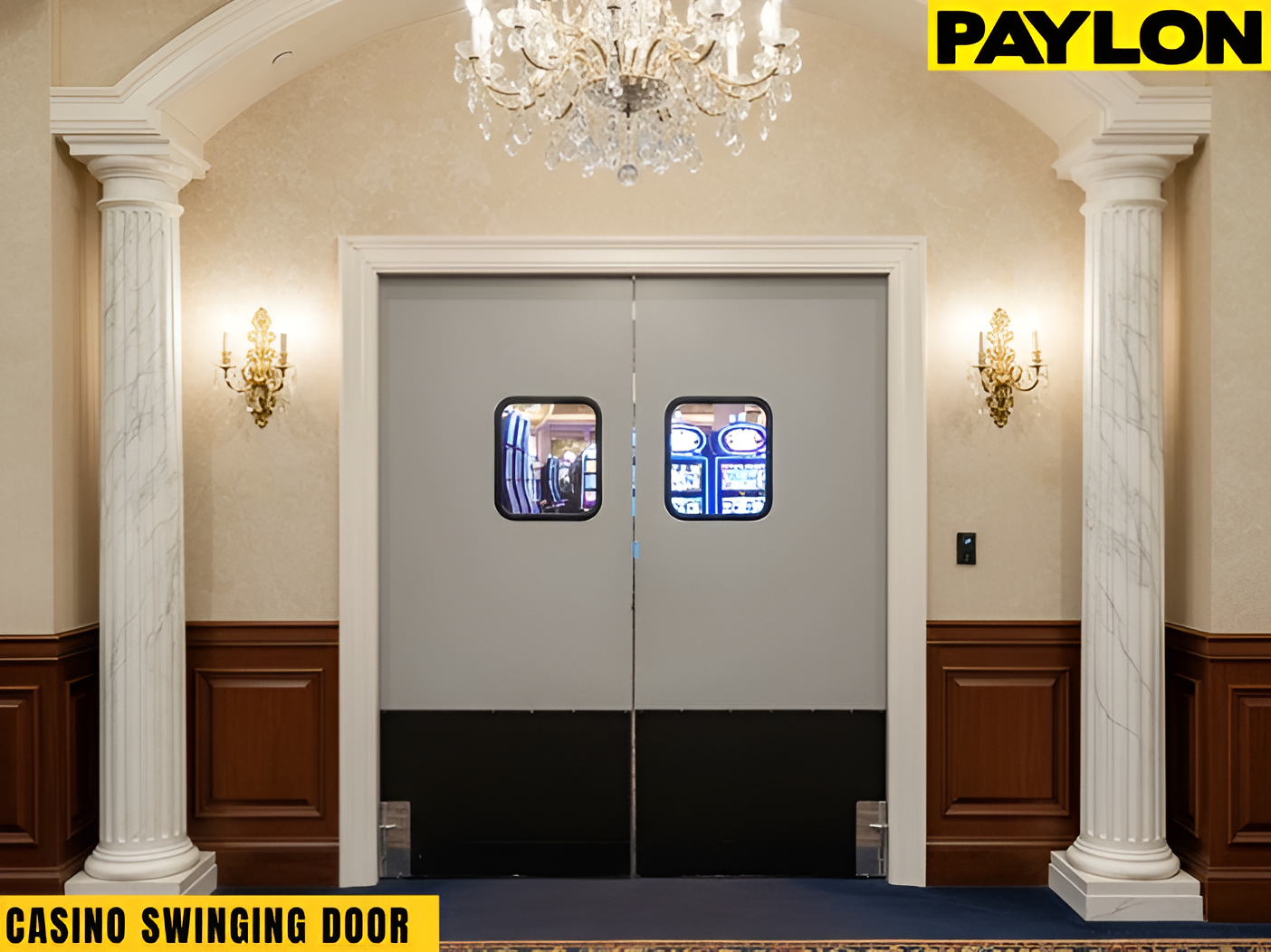
Managing crowd flow and comfort is essential in busy casino environments with constant guest and staff movement. This article explains why these challenges occur, where movement issues are most common, and how retail swinging doors are used across casino spaces. It also compares door options by area and outlines how the right setup supports smoother daily operations.
Built for Busy Casino Operations
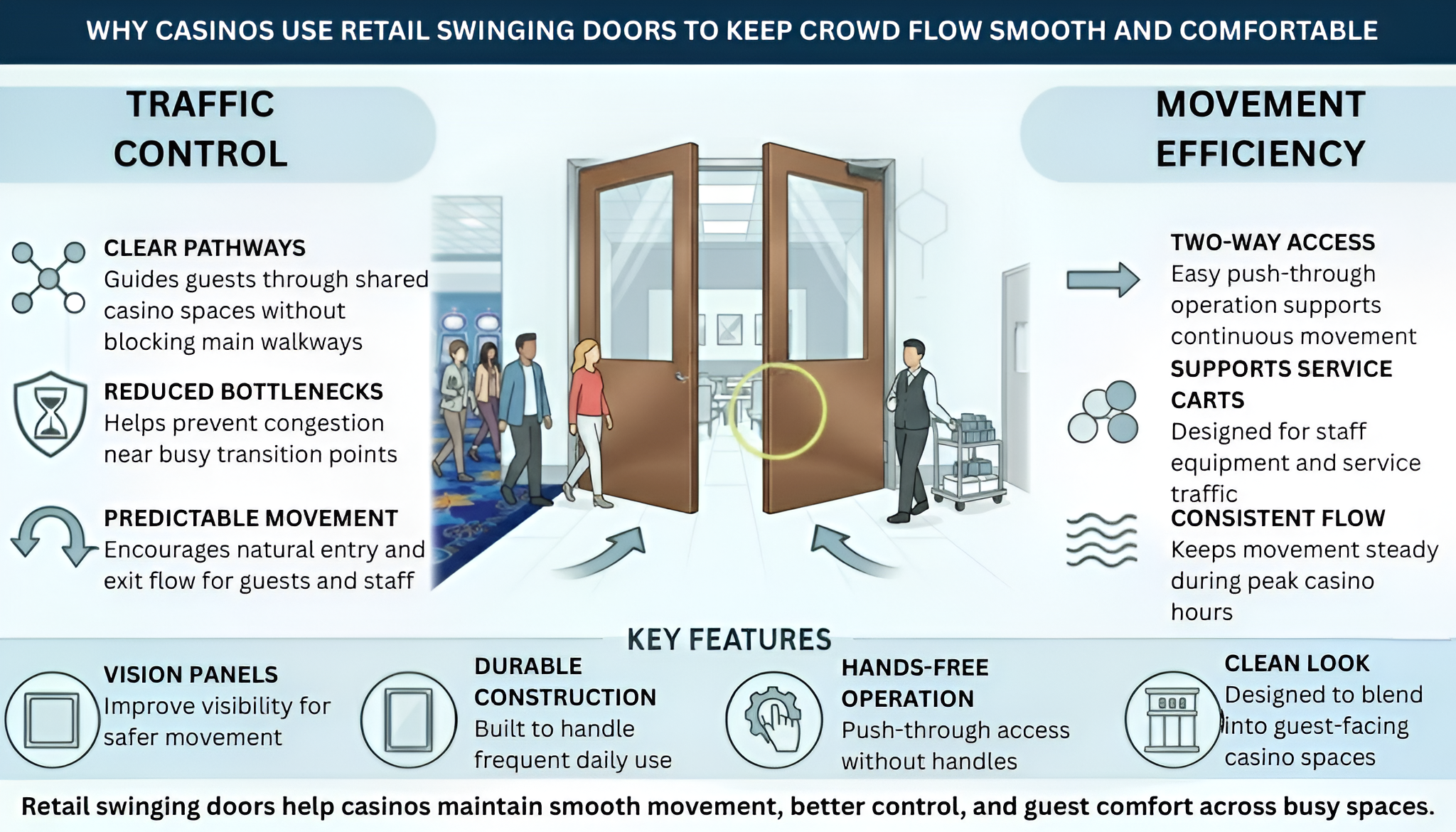
Casinos depend on smooth movement and guest comfort to keep operations running efficiently. Retail swinging doors help manage constant foot traffic, support staff flow, and reduce congestion in busy areas. By allowing hands-free, two-way access, these doors keep spaces organized without slowing movement. When matched to the right casino areas, swinging doors play a quiet but important role in maintaining comfort, control, and day-to-day efficiency.
Why Crowd Flow and Comfort Are Ongoing Challenges in Casinos
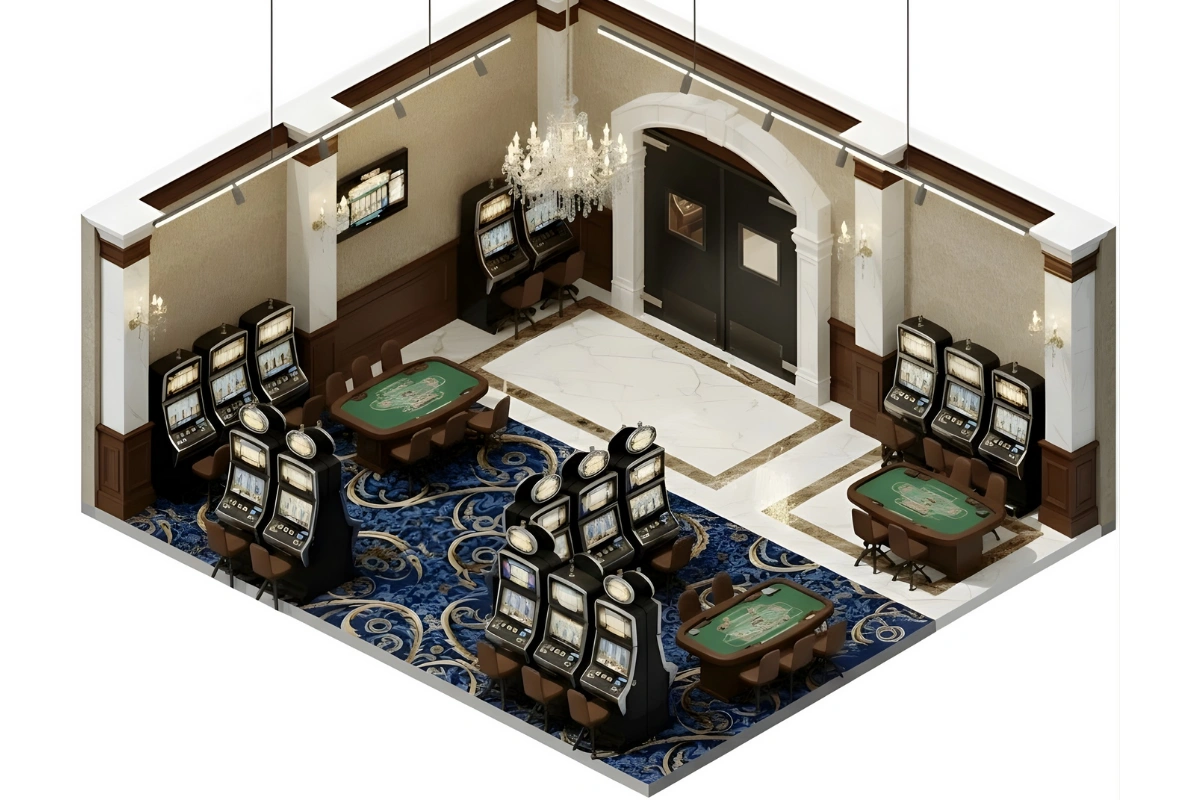
Behind smooth daily operations, casinos manage constant movement across shared spaces. Guests and staff circulate throughout the building at the same time, creating conditions where traffic patterns overlap and comfort becomes more difficult to maintain as activity increases during operating hours.
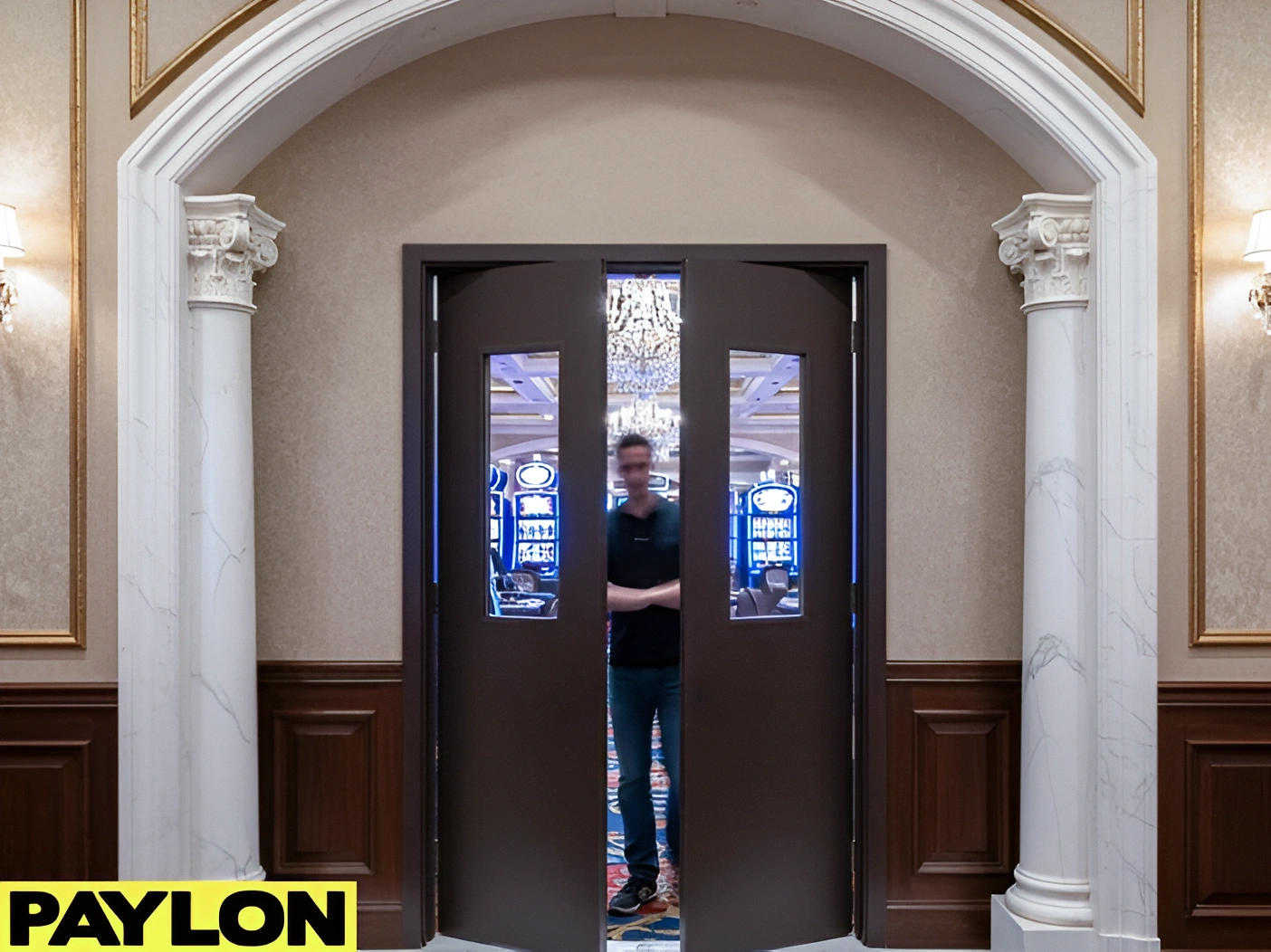
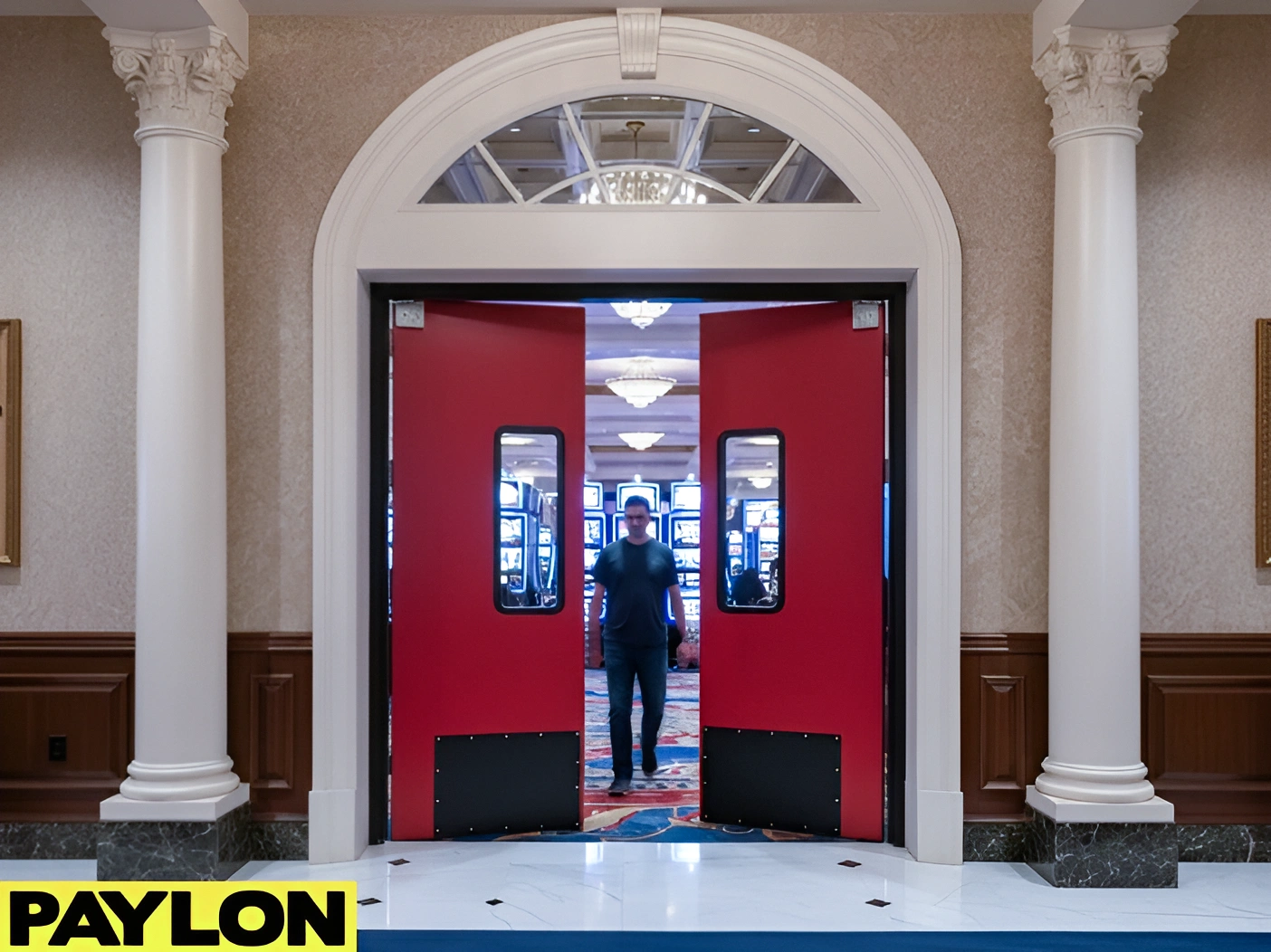
Overlapping Traffic and Constant Movement in Casino Spaces
Overlapping Guest and Staff Traffic
Casinos experience multiple traffic patterns at the same time as guests move between gaming floors, dining areas, and entertainment spaces. These movements rarely follow a single direction, especially during busy periods when activity increases across the floor.
Constant Movement Across Shared Spaces
Paths cross, brief pauses occur, and peak hours amplify overall activity. This constant motion places added pressure on shared corridors, entrances, and transition points, making it harder to maintain smooth flow throughout busy casino environments.
Congestion, Interruptions, and Noise
Congestion at Key Transition Points
When guest and staff movement overlaps, congestion becomes difficult to avoid. Bottlenecks often form near doorways, service access points, and narrow passages where traffic converges. During peak periods, these areas can slow movement and interrupt the natural flow of activity across the casino floor.
Noise and Comfort Challenges
As activity increases, noise travels easily between gaming areas and operational zones. Without clear separation, sounds carry farther and interruptions become more noticeable. This can affect comfort and make spaces feel crowded, even when overall capacity levels remain within normal operating limits.
Retail Swinging Door Options That Support Casino Operations
Once movement challenges are clear, the focus shifts to aligning door options with how different casino areas function day to day. Each space has its own traffic patterns, visibility needs, and wear demands, which is why casinos often choose door types based on use rather than appearance alone.
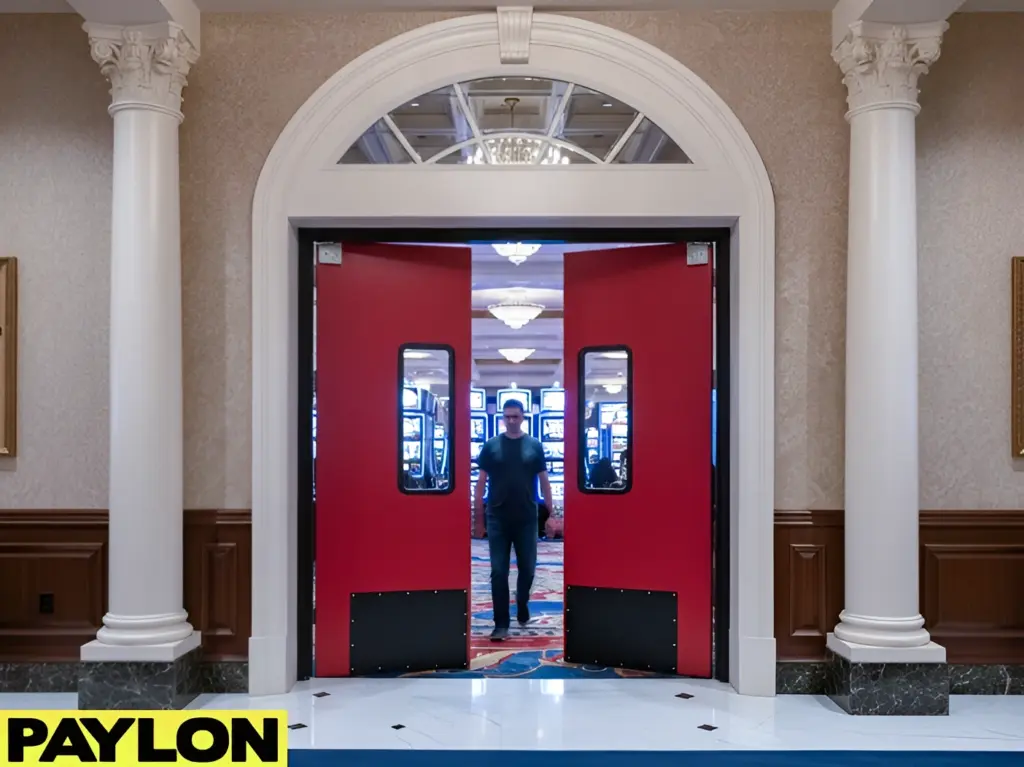
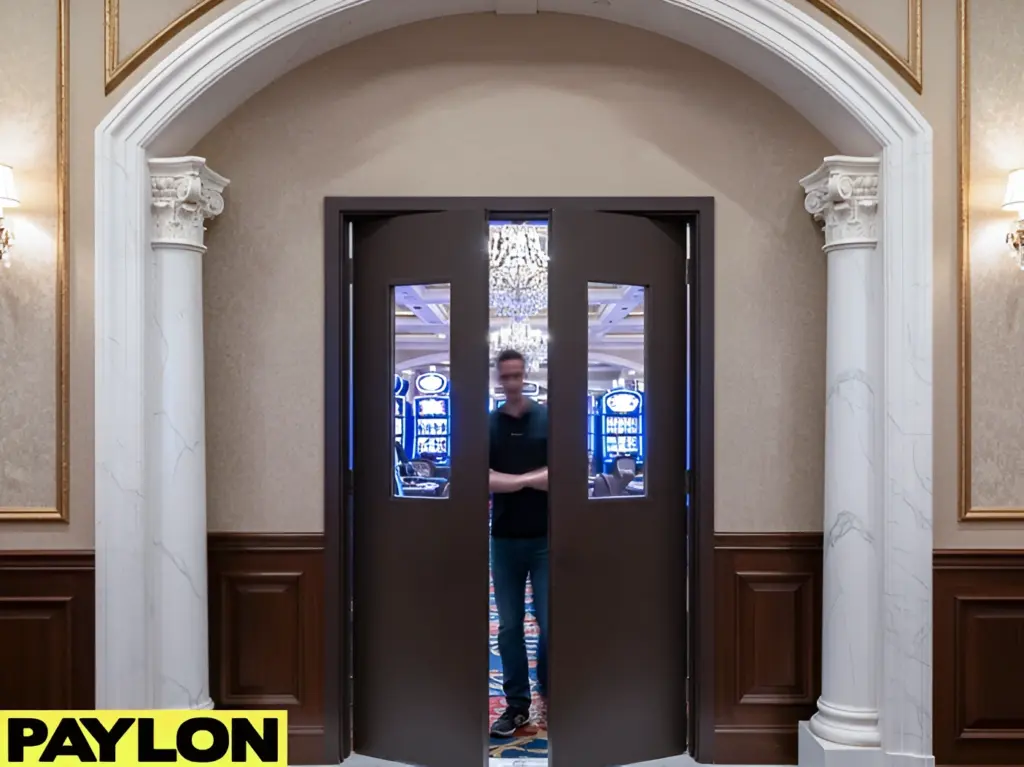
Guest-facing areas require doors that support movement while preserving visibility and presentation. These spaces often sit near gaming floors and public transitions where awareness of oncoming traffic matters.
• Supports visibility in public areas where guests move frequently
• Helps staff and guests anticipate oncoming traffic more easily
• Fits transitions near gaming floors and entertainment spaces
• Maintains a clean, polished presence in guest-facing environments
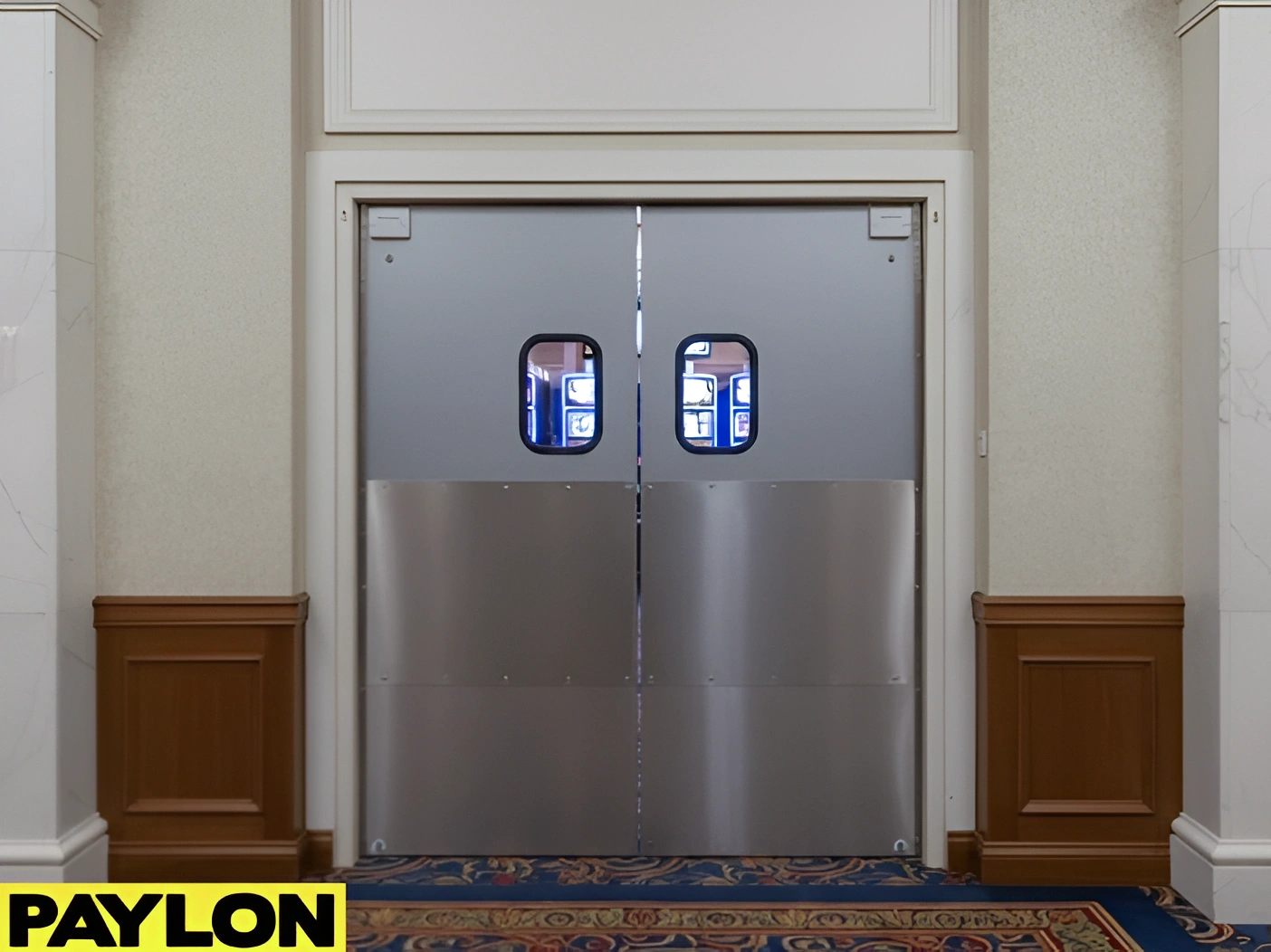
PE-710 for Frequent Staff Movement and Lighter Daily Use
Staff corridors and support pathways see steady movement throughout the day. Doors in these areas need to move easily and keep pace with routine back-and-forth activity.
• Moves easily in corridors used regularly by casino staff
• Supports repeated back-and-forth movement throughout the day
• Fits support areas where speed and ease of access matter
• Helps maintain steady workflow during long operating hours
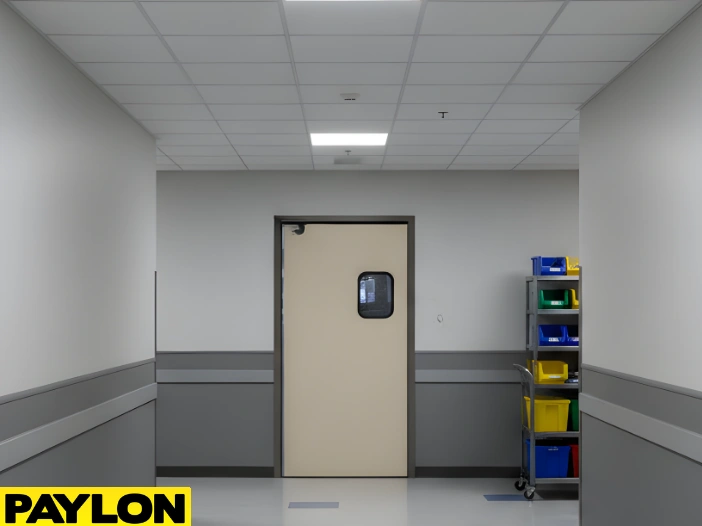
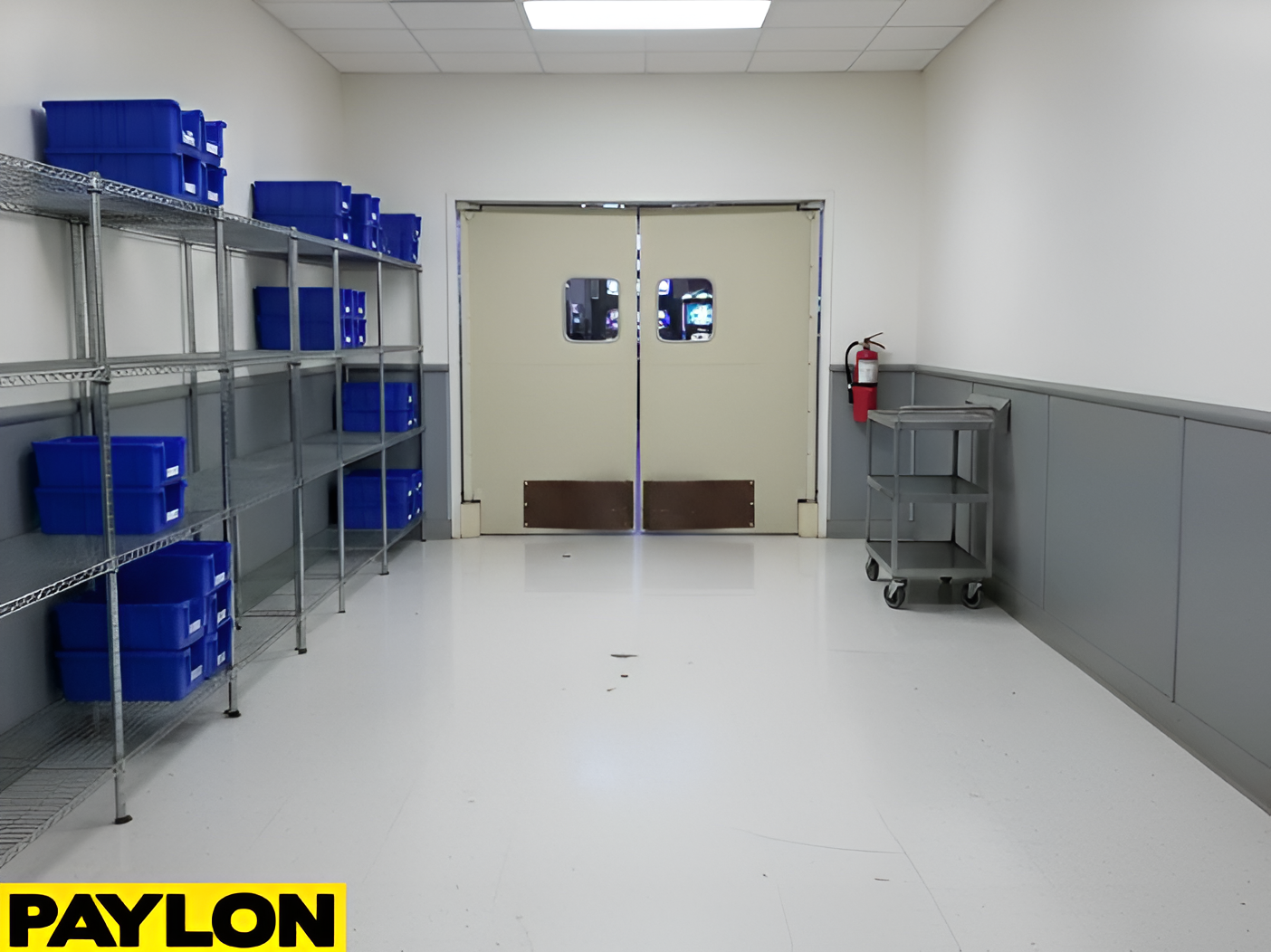
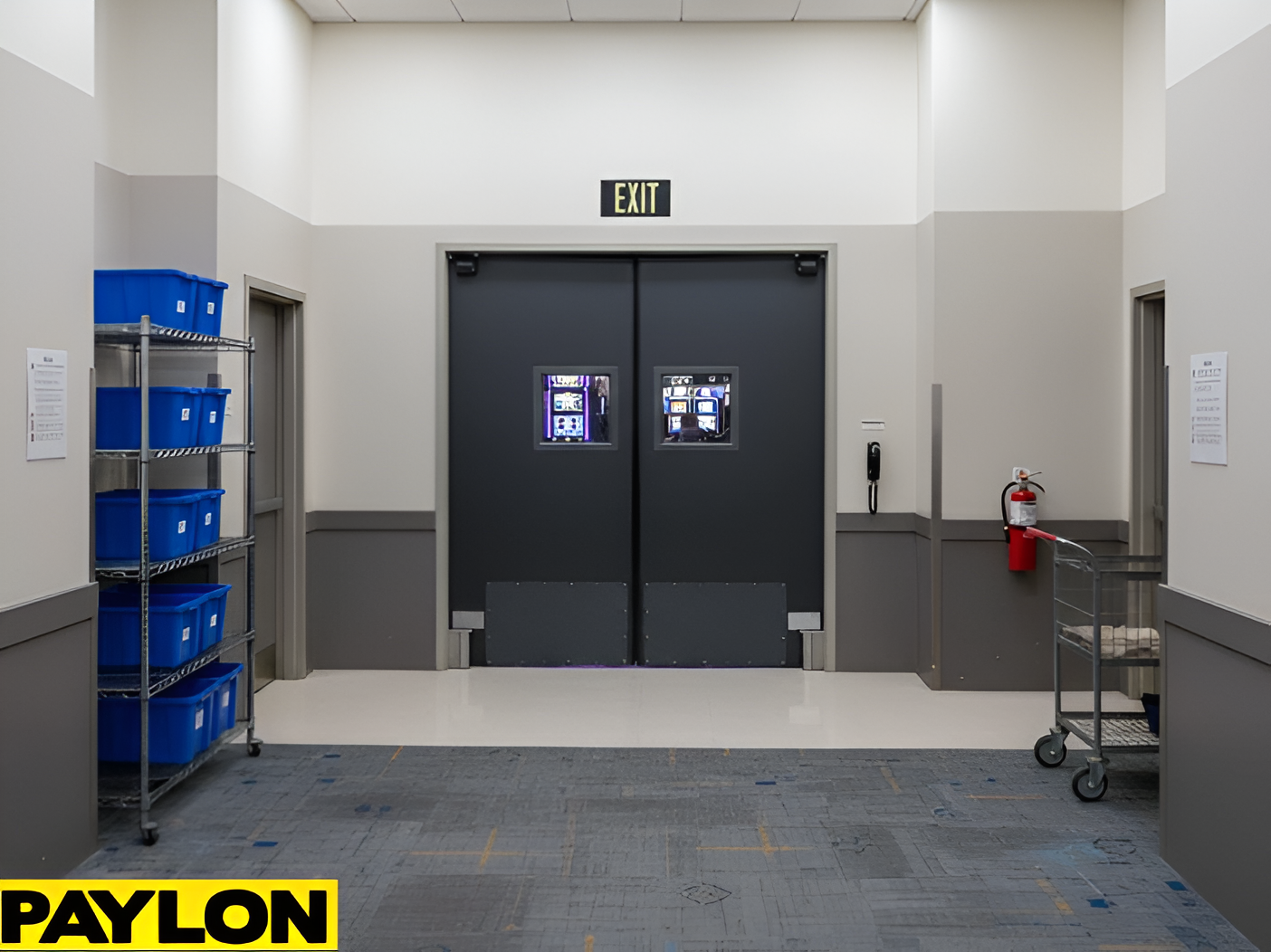
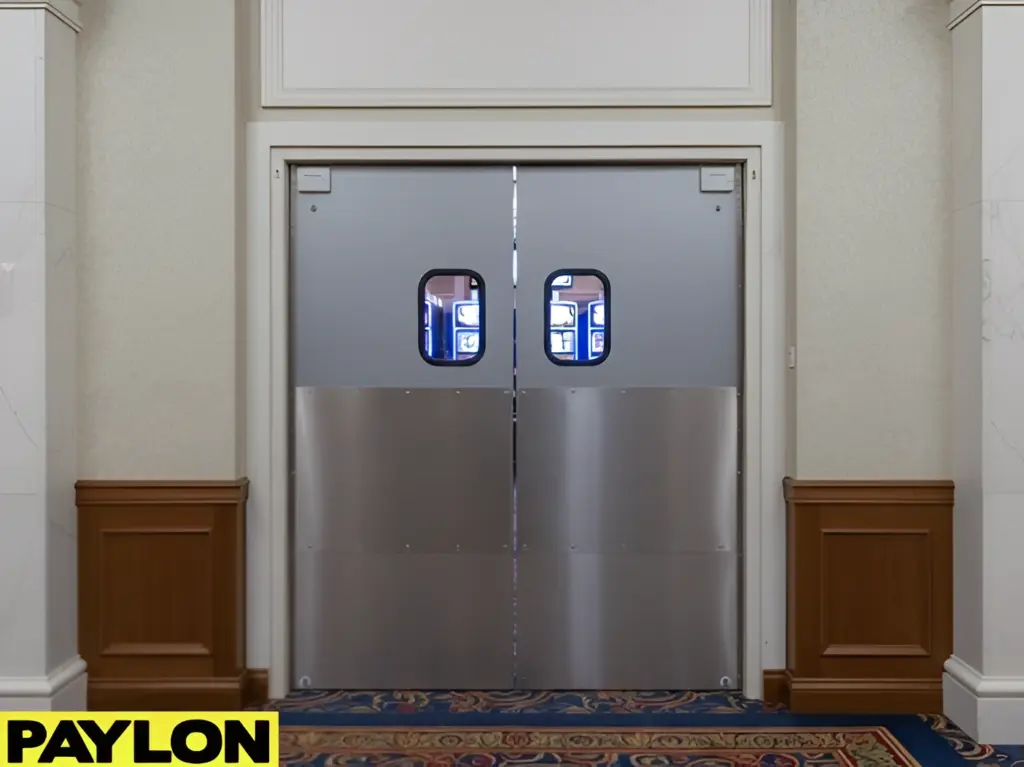
Service corridors and utility spaces place the highest demands on door systems. These areas require doors that continue performing under constant traffic and operational pressure.
• Fits service corridors with constant operational traffic
• Supports areas where equipment movement is routine
• Performs well in spaces that demand long-term durability
• Matches environments where reliability is a top priority
Choosing the Right Swinging Door for Each Casino Area
The table below provides a quick reference for aligning different casino spaces with swinging door options based on how each area is used day to day. It is designed to help decision-makers compare needs at a glance before looking at overall operational impact.
| Casino Area | Primary Need | Recommended Door Model | Why It Fits |
|---|---|---|---|
| Gaming floor transitions | Smooth guest movement and visibility | PE-620ALC | Acrylic windows help maintain visibility while keeping traffic moving |
| Staff corridors | Fast, frequent daily movement | PE-710 | Lightweight construction supports steady staff flow throughout the day |
| Back-of-house access | Durability for repeated use | PE-720 | Reinforced build handles ongoing contact and higher activity levels |
| Service and utility areas | Heavy traffic and equipment movement | PE-8000 | Designed to perform in high-impact, high-use environments |
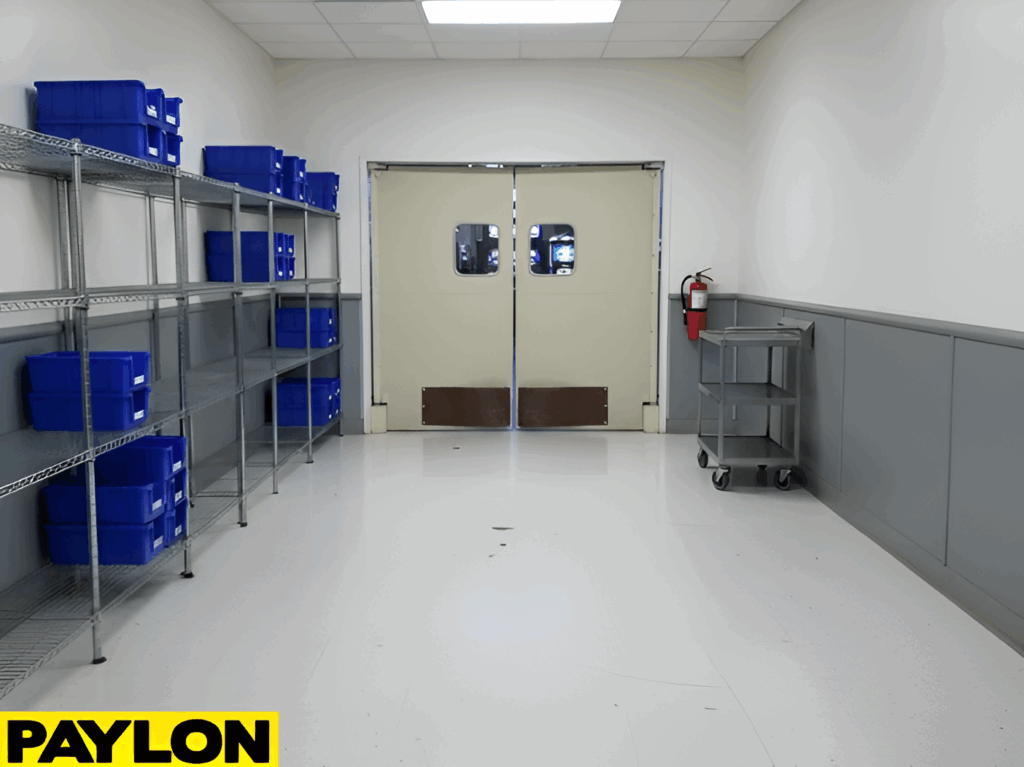
| Kitchen and storage zones | Controlled access without delays | PE-710 or PE-720 | Supports hands-free movement while keeping work areas separated |
This comparison helps clarify how different casino areas benefit from different door options. By matching each space with a door suited to its traffic level and daily demands, casinos can make more informed choices before focusing on how these doors improve overall operations and guest comfort.
How Retail Swinging Doors Improve Daily Casino Operations
After the right door options are selected for each casino area, the benefits show up in everyday operations. Instead of slowing movement or disrupting activity, these doors support smoother transitions, better control between spaces, and more efficient staff circulation throughout the building.
| Feature | Why It Matters in Casinos |
|---|---|
| ✅ Smoother movement during peak hours | Helps reduce slowdowns at busy transition points so guests and staff can keep moving without unnecessary stops. |
| ✅ Better control between active areas | Supports cleaner separation between gaming areas, service corridors, and back-of-house zones so activity feels more organized. |
| ✅ Reduced noise transfer between spaces | Helps limit how sound carries from operational zones into guest-facing spaces, which supports a more comfortable atmosphere. |
| ✅ More efficient staff movement | Supports quick, low-disruption travel between service areas and public spaces, helping teams stay responsive during operating hours. |
Together, these improvements help casinos maintain steady operations while protecting guest comfort. When movement flows naturally and spaces stay controlled, staff can work efficiently and guests experience a more comfortable environment throughout the day.
Frequently Asked Questions
FAQs: About Swinging Doors in Casinos
Are retail swinging doors suitable for high-traffic casinos?
Yes. Retail swinging doors are well suited for high-traffic casino environments because they allow continuous, two-way movement without slowing guests or staff during peak hours.
Where are retail swinging doors commonly installed in casinos?
Retail swinging doors are commonly installed at gaming floor transitions, staff corridors, back-of-house access points, kitchens, and service areas where movement happens constantly.
How do casinos choose between different retail swinging door models?
Casinos typically choose retail swinging door models based on traffic volume, visibility needs, and how much daily impact or equipment movement an area experiences.
Do retail swinging doors help reduce congestion in busy casino areas?
Yes. Retail swinging doors support smooth flow by allowing people to pass through without stopping, which helps reduce bottlenecks in shared pathways.
Do retail swinging doors help with noise control in casinos?
Retail swinging doors can help limit noise transfer because they close automatically after use, helping separate active gaming areas from staff and service zones.
Are retail swinging doors easy for casino staff to use daily?
Retail swinging doors are designed for hands-free, low-effort use, which makes them practical for staff who move between areas repeatedly throughout long shifts.
Are retail swinging doors safe in guest-facing casino areas?
Yes. In guest-facing areas, retail swinging doors with visibility panels help reduce unexpected collisions by allowing people to see through before passing.
Do casinos use different swinging doors for guest areas and staff areas?
Often, yes. Casinos commonly use visibility-focused doors like PE-620ALC in guest areas and more durable options such as PE-710 or PE-720 in staff corridors.
Can retail swinging doors handle carts and equipment in casinos?
Certain retail swinging doors are built to handle repeated contact from carts and equipment. In heavy-use service areas, models like PE-8000 are often selected for durability.
Do retail swinging doors require frequent maintenance in casinos?
Maintenance needs depend on usage, but retail swinging doors designed for high-traffic environments are built for consistent daily operation with minimal upkeep.
Are retail swinging doors suitable for both small and large casinos?
Yes. Retail swinging doors can be selected and scaled to fit both compact casino layouts and large, multi-level facilities.
How do retail swinging doors affect the casino guest experience?
Retail swinging doors help maintain smooth movement and reduce interruptions, which supports a more comfortable and organized guest experience.
Can retail swinging doors be customized for different casino spaces?
Many retail swinging door options can be customized based on traffic level, layout, and use, allowing casinos to match doors to specific areas.
Are retail swinging doors useful in back-of-house casino operations?
Yes. Back-of-house casino operations rely on retail swinging doors to support efficient staff movement and regular equipment access.
Do retail swinging doors slow down movement during peak casino hours?
No. Retail swinging doors are designed to support continuous movement even during the busiest operating periods.
How do casinos balance visibility and durability when selecting doors?
Casinos balance visibility and durability by choosing clear-panel doors for public areas and reinforced door models for service and utility zones.
Are retail swinging doors practical for casino kitchens and storage areas?
Yes. Casino kitchens and storage areas benefit from retail swinging doors because they allow hands-free access while maintaining separation from guest spaces.
Do retail swinging doors work well in narrow casino corridors?
When properly selected, retail swinging doors help manage movement in narrow corridors without creating unnecessary delays.
How quickly can retail swinging doors be added to an existing casino layout?
Retail swinging doors are often easier to integrate into existing casino layouts compared to more complex access systems, depending on site conditions.
Are retail swinging doors a long-term solution for casino operations?
When matched to the right casino areas, retail swinging doors provide reliable, long-term performance that supports daily operations and guest comfort.
Photo Gallery
Bringing Comfort and Control Together Across Casino Spaces
In casino environments where movement never stops, small design decisions can have a lasting impact. Retail swinging doors offer a practical way to support daily operations while keeping spaces comfortable and organized. By selecting door options that align with how each area is used, casinos can create smoother transitions, better control, and a more consistent experience across the floor without adding complexity.
Keep Casino Traffic Flowing