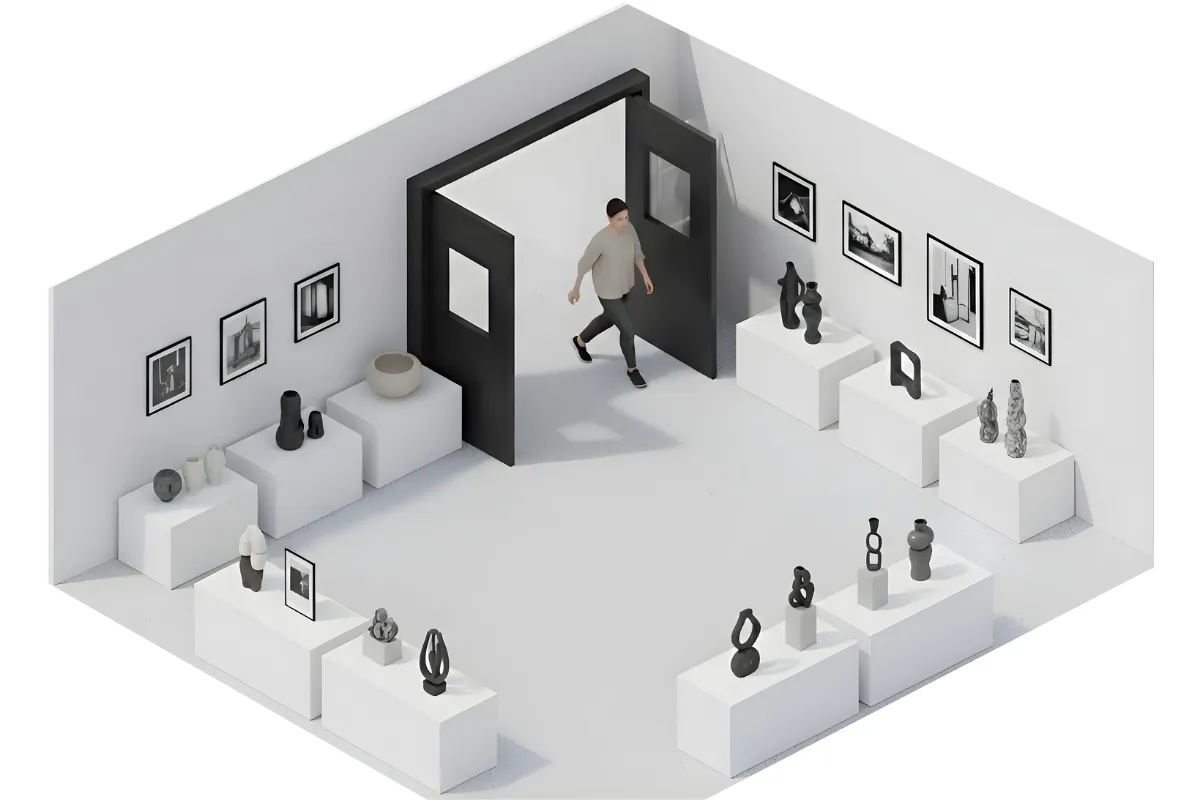
Exhibit Room Swinging Doors

Exhibit rooms depend on steady movement between spaces. Even small interruptions can affect visitor comfort and flow. This article explains why exhibit environments need a smarter door approach, how swinging doors support smoother movement, which options fit different needs, and how exhibit rooms can control traffic without disrupting the experience.
Built for Continuous Visitor Movement
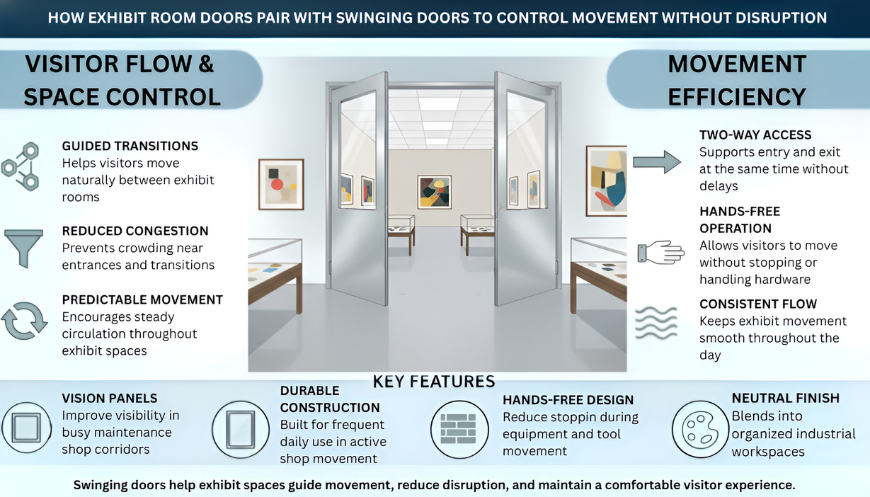
Swinging doors help exhibit rooms guide visitor movement without interrupting the experience. By supporting two-way, hands-free access, they allow people to move naturally between displays while reducing congestion at transitions. Self-returning action keeps pathways clear and spaces organized throughout the day. When paired with the right door model for each opening, exhibit spaces maintain steady flow, clear separation, and a calm, comfortable environment for both visitors and staff during busy hours and changing exhibit layouts.
Why Exhibit Room Movement Needs a Smarter Door Solution
Once movement paths are established within an exhibit space, the way people transition between rooms becomes just as important as the layout itself. Doors play a direct role in shaping how smoothly visitors move, pause, and regroup as they explore different areas.
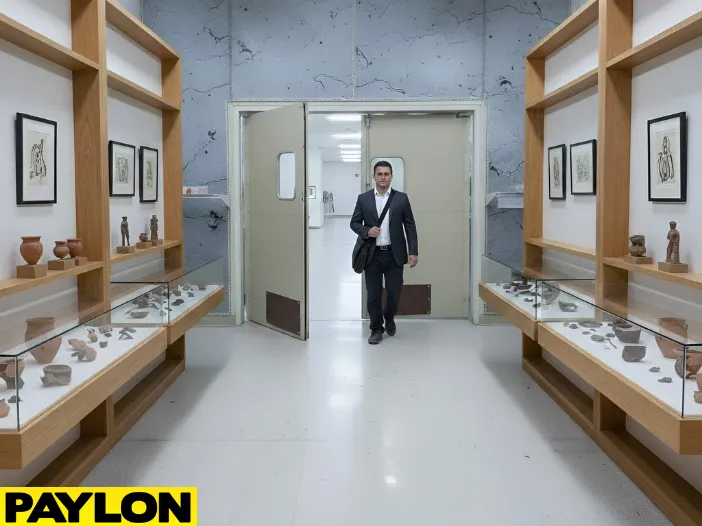
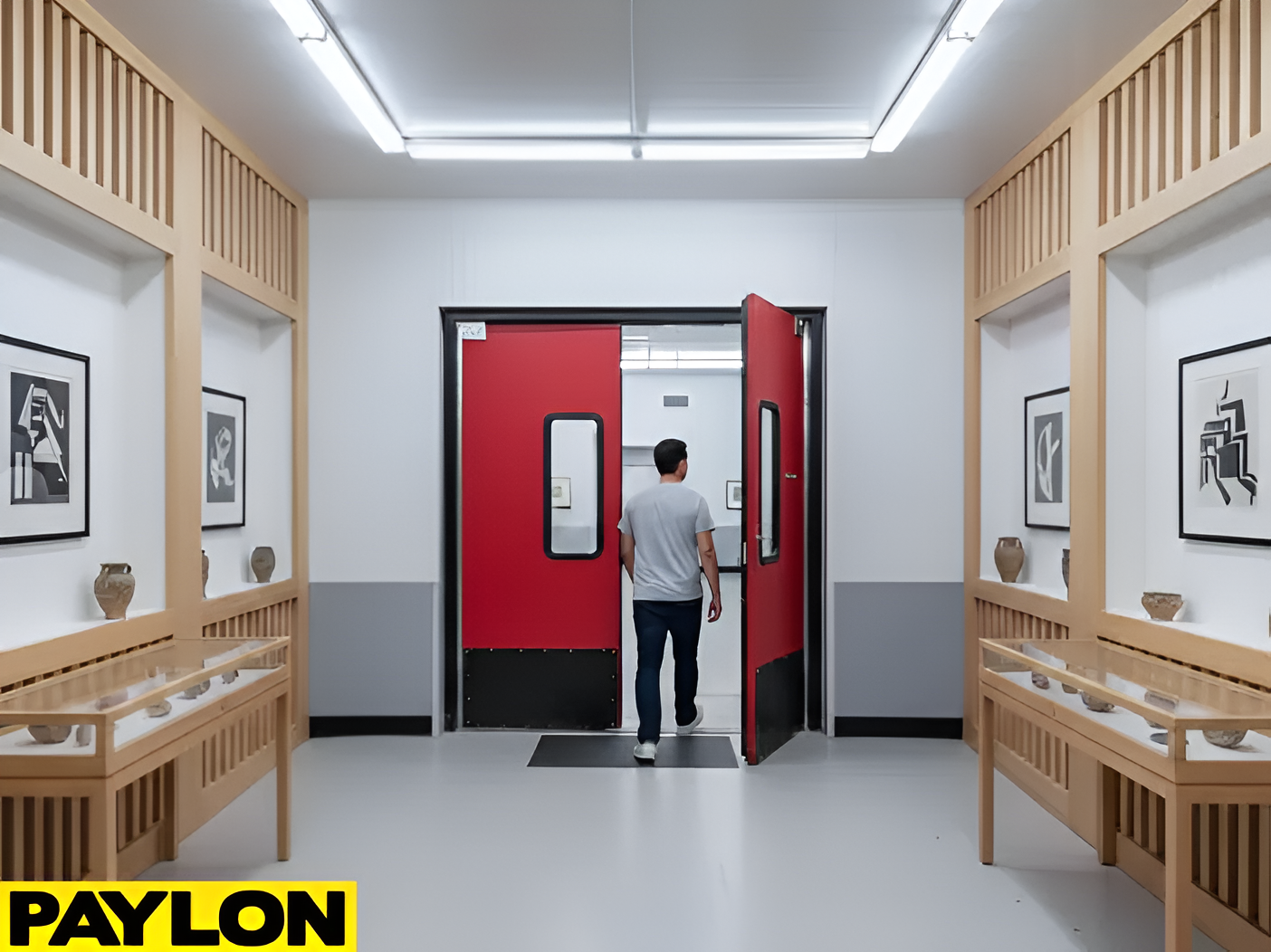
Exhibit Rooms Follow Unique Movement Patterns
Movement in Exhibit Rooms Is Constant and Two-Way
Exhibit rooms are built for exploration, not quick entry and exit. Visitors often move through spaces in both directions at the same time, creating continuous activity at entrances and transitions. This constant motion requires doors that allow people to pass through easily without slowing overall movement.
Visitor Pace Changes Throughout the Experience
Exhibit environments encourage people to stop, gather, and move together between displays. Groups naturally form and separate, and pacing shifts depending on interest and crowd size. Doors in these spaces must support these changes without creating confusion or hesitation.
Traditional Doors Create Small Delays That Add Up
Standard Doors Force Visitors to Stop and Adjust
Traditional doors require visitors to pause, push or pull the door, and wait for enough clearance to move through. In exhibit rooms, this brief stop breaks the rhythm of movement and causes hesitation, especially when multiple visitors approach at once.
Small Interruptions Lead to Congestion Over Time
While each delay may seem minor, repeated slowdowns quickly add up in busy exhibit spaces. As visitors gather near entrances and exits, movement becomes uneven and less comfortable. During peak periods, these bottlenecks make exhibit rooms harder to navigate.
Swinging Door Options That Support Exhibit Room Movement
Once movement challenges are understood, selecting the right swinging door depends on how each doorway functions within the exhibit space. Different locations experience different traffic levels, visitor behavior, and operational needs. These options support movement control while maintaining visitor comfort.
The PE-620ALC is designed for exhibit entrances where visitors first interact with the space. It balances visual appeal with practical movement support in areas that remain highly visible throughout the day.
• Supports smooth entry and exit in public-facing exhibit areas
• Maintains a clean, professional appearance near displays
• Helps visitors transition comfortably without feeling restricted
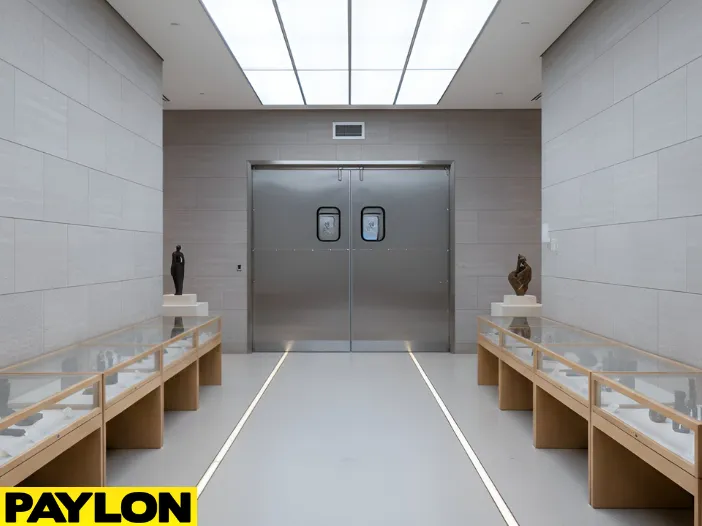
PE-710 for High-Traffic Exhibit Paths
The PE-710 is well suited for interior exhibit paths that see frequent back-and-forth movement. It performs reliably in areas where traffic stays active for long periods of time.
• Handles frequent back-and-forth movement between exhibit zones
• Supports consistent flow during busy periods
• Reduces hesitation in narrow or active walkways
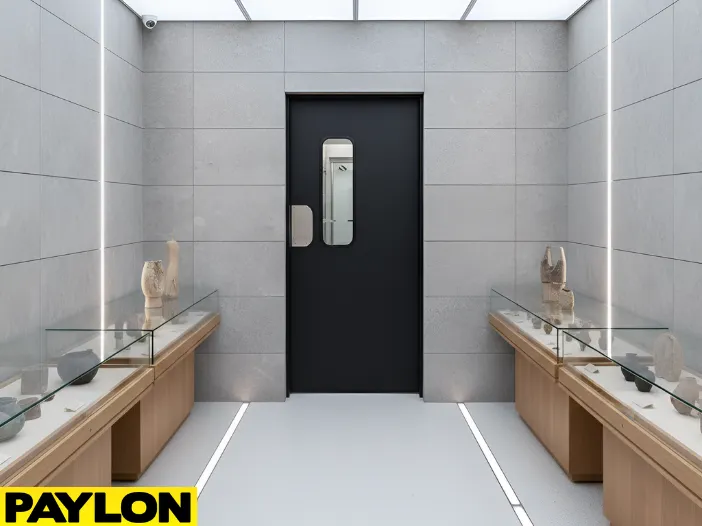
The PE-720 works best in exhibit spaces with wider openings or group movement. It supports steady flow when multiple visitors pass through at the same time.
• Allows multiple visitors to pass through at once
• Helps prevent bottlenecks during group transitions
• Keeps movement steady across wider exhibit openings
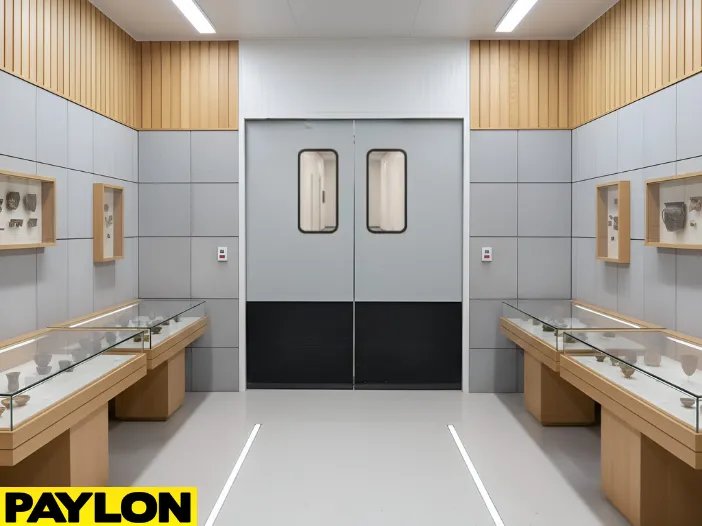
The PE-8000 is designed for exhibit environments that require added durability behind the scenes. It supports staff movement and operational access without interfering with visitor areas.
• Supports frequent staff movement behind exhibit spaces
• Handles heavier daily use without interrupting nearby flow
• Keeps operational access separate from visitor pathways
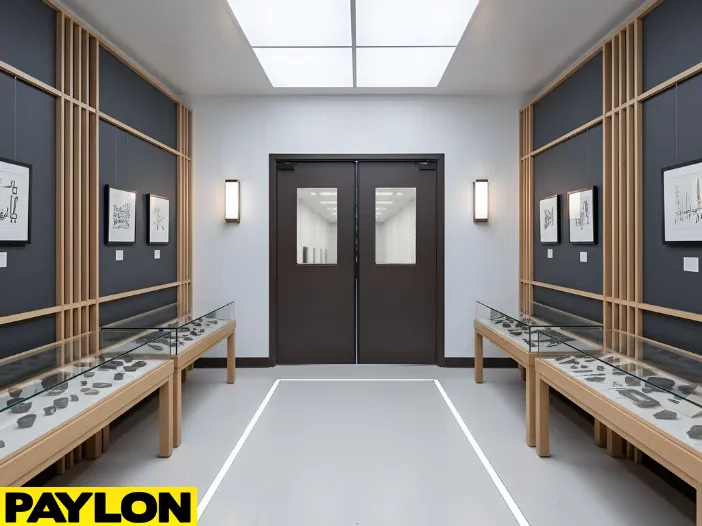
Matching Swinging Doors to Exhibit Room Needs
After knowing how each swinging door option supports different types of movement, this table provides a quick way to match common exhibit room situations with the door best suited for the job. It is designed for fast reference and helps simplify decision-making without diving into technical details.
| Exhibit Room Situation | Primary Movement Need | Recommended Swinging Door |
|---|---|---|
| Main exhibit entrances | Smooth visitor flow with a clean appearance | PE-620ALC |
| High-traffic exhibit paths | Frequent back-and-forth movement | PE-710 |
| Wide openings or group movement | Reduced bottlenecks and steady flow | PE-720 |
| Back-of-house transitions | Durability under heavy daily use | PE-8000 |
This at-a-glance view helps connect real exhibit conditions with the right swinging door option. By aligning door choice with how each space is actually used, exhibit rooms can better support movement, comfort, and daily operations without disrupting the visitor experience.
How Swinging Doors Control Movement Without Interrupting Flow
Once the right swinging doors are in place, their everyday operation plays a major role in keeping exhibit spaces organized and easy to navigate. The features below show how swinging doors support continuous movement while maintaining clear boundaries between exhibit areas.
| Feature | Why It Matters in Exhibit Rooms |
|---|---|
| ✔ Two-Way Access | Allows visitors to move through transitions from either side without waiting for one direction to clear, helping traffic stay fluid during constant in-and-out movement. |
| ✔ Hands-Free Operation | Reduces hesitation at doorways because visitors can push through naturally, which helps groups stay together and keeps movement feeling smooth and intuitive. |
| ✔ Self-Returning Action | Returns to a closed position automatically to keep walkways clear and maintain consistent separation between exhibit areas without staff needing to reset doors. |
Together, these features help exhibit rooms manage movement naturally throughout the day. By supporting steady flow and reducing interruptions, swinging doors allow visitors to focus on the experience rather than navigating the space.
Frequently Asked Questions
FAQs About Swinging Doors in Exhibit Rooms
Do swinging doors slow visitors down in exhibit rooms?
No. In exhibit rooms, swinging doors are designed to move with visitors rather than stop them. Models like the PE-710 swinging door allow people to pass through naturally without breaking pace.
Can swinging doors separate exhibit spaces without making them feel closed off?
Yes. Swinging doors create clear boundaries while keeping movement open and welcoming. Customer-facing options like the PE-620ALC swinging door help define spaces without blocking sightlines.
Are swinging doors practical for both visitors and exhibit staff?
They are. Swinging doors support public movement while also allowing staff to move carts or materials easily, especially in staff-only transitions using doors like the PE-8000.
How do swinging doors handle daily foot traffic in busy exhibit spaces?
Swinging doors are built for repeated use throughout the day. The PE-710 swinging door is commonly used in interior exhibit paths where traffic stays consistent.
Do swinging doors work well when visitors move in both directions at once?
Yes. Two-direction movement is common in exhibit rooms, and swinging doors are often chosen because they allow entry and exit to happen at the same time without delays.
Will swinging doors interrupt the visitor experience?
No. Because they operate intuitively, swinging doors help visitors stay focused on exhibits rather than navigating door hardware or waiting for clearance.
Are swinging doors a good option for wide exhibit openings?
They are. The PE-720 swinging door is frequently selected for wide openings where groups move together between exhibit areas.
Can swinging doors help reduce congestion near exhibit transitions?
Yes. By supporting continuous movement, swinging doors help prevent crowding where visitors transition from one exhibit to the next.
Do visitors need instructions to use swinging doors?
No. Swinging doors are instinctive to use, which makes them ideal for public exhibit environments with diverse audiences.
Are swinging doors suitable for temporary or rotating exhibits?
Yes. Swinging doors adapt well to changing layouts and are often used in spaces where exhibits are updated or reconfigured over time.
How do swinging doors support accessibility in exhibit rooms?
They allow smooth, hands-free movement, which supports a wide range of visitors moving independently through exhibit spaces.
Can swinging doors be used near quiet or sensitive exhibits?
Yes. Swinging doors operate smoothly and are commonly used near gallery displays where maintaining a calm environment matters.
Do swinging doors stay open and block walkways?
No. Swinging doors return to a closed position automatically, helping keep walkways clear and organized throughout the day.
Are swinging doors durable enough for public exhibit use?
They are. Doors like the PE-8000 are built for heavier use and are often installed in staff corridors or operational areas behind exhibits.
Can swinging doors help separate visitor areas from staff-only spaces?
Yes. Swinging doors are commonly used to manage access between public exhibit rooms and back-of-house areas without disrupting nearby flow.
How do swinging doors perform during peak visiting hours?
They continue to support steady movement even when visitor volume increases, which makes them a reliable choice for busy exhibit environments.
Do swinging doors help keep exhibit rooms organized?
Yes. By guiding movement naturally, swinging doors help maintain clear paths and reduce confusion at exhibit transitions.
Can swinging doors work in exhibits with changing traffic patterns?
They can. Swinging doors are often selected for spaces where visitor movement varies throughout the day.
Are swinging doors a long-term solution for exhibit rooms?
Yes. Their durability and consistent performance make them suitable for permanent exhibit installations as well as long-term use.
How do I choose the right swinging door for my exhibit space?
The best choice depends on where the door is placed, how much traffic it sees, and whether the space is visitor-facing or operational. Reviewing options like the PE-620ALC, PE-710, PE-720, and PE-8000 helps match the door to how the exhibit is used.
Photo Gallery

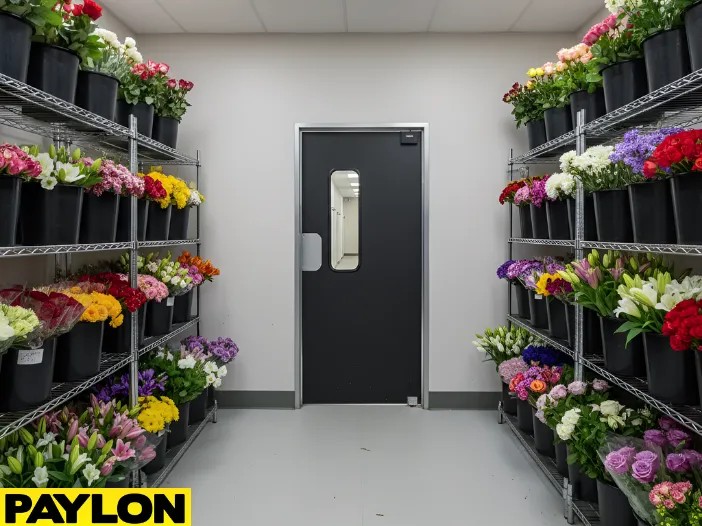
Creating Smooth, Predictable Movement in Exhibit Spaces
Exhibit rooms perform best when movement feels natural and uninterrupted for both visitors and staff. The right swinging doors help guide traffic smoothly, maintain clear separation between spaces, and support daily operations without distraction. By selecting door options that align with how each area is used, exhibit spaces can create a comfortable, organized environment where movement remains predictable and easy to manage throughout the day.
Controlled Visitor Movement