Surgery Room Swinging Doors
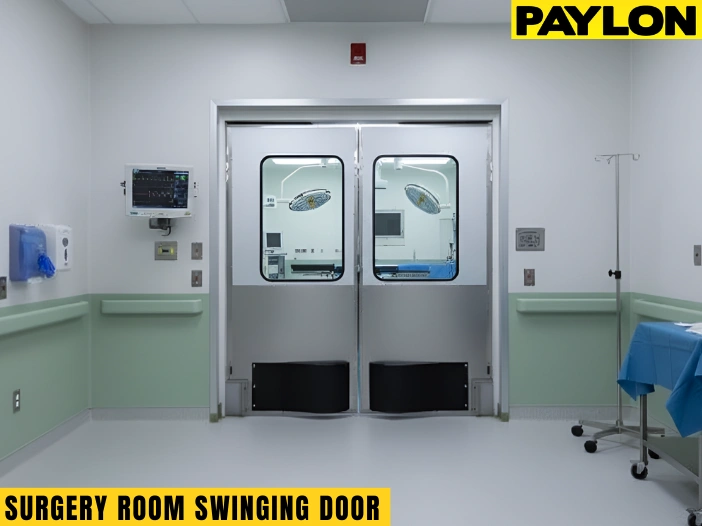
Surgery rooms rely on strict cleanliness, organized movement, and dependable access to keep procedures running smoothly. Swinging doors support these needs by helping control traffic and reducing unnecessary contact. In this article, we’ll look at how they enhance sterile environments, improve workflow, explore recommended door models, and answer common questions to guide your selection.
Designed for Medical Environments
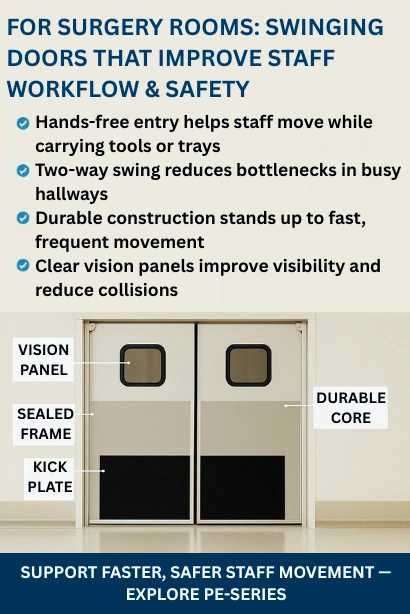
Swinging doors play an important role in keeping surgery rooms efficient and safe. Their hands-free design, smooth two-way swing, and durable construction support fast staff movement during critical procedures. Clear vision panels help prevent collisions in busy hallways, while easy-clean materials make them ideal for sterile environments. Choosing the right door style helps medical teams maintain better workflow, reduce delays, and create a safer, more reliable surgical workspace.
How Swinging Doors Improve Sterility and Workflow
In a surgical environment, even small design choices can influence how clean and organized the space remains. Swinging doors support these goals by offering practical features that help medical teams maintain sterility and move efficiently between critical areas. Their construction and movement pattern work together to keep these high demand spaces safer, smoother, and easier to manage during busy procedures.
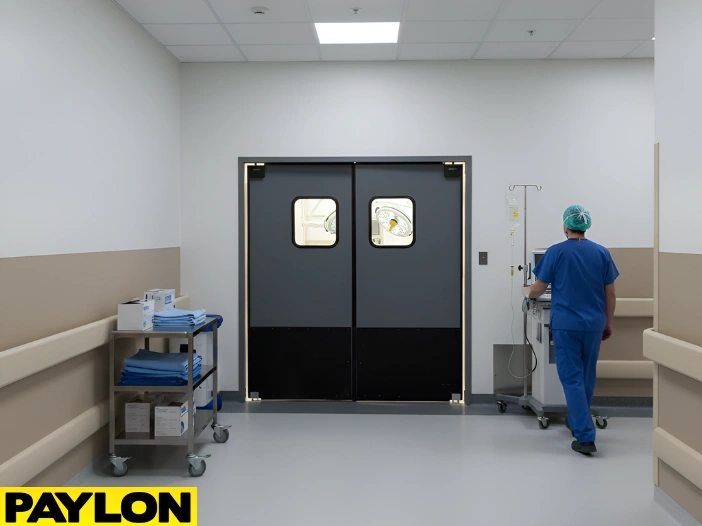
How Swinging Doors Support Sterility
Reduced Contact for Cleaner Environments
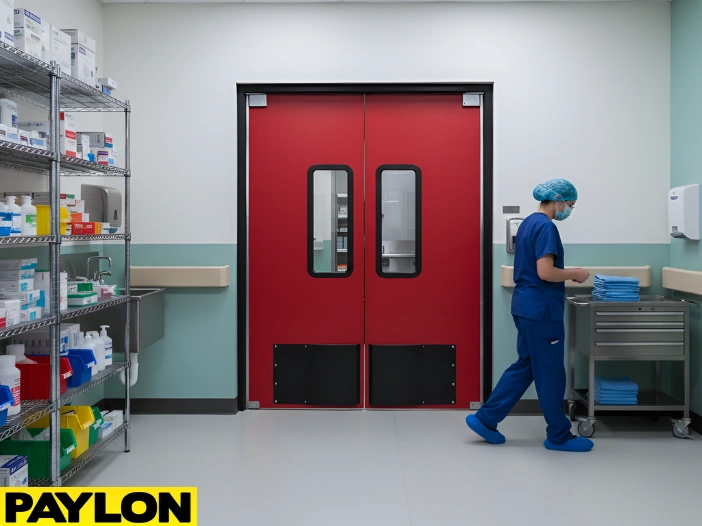
Swinging doors help limit contamination in surgery rooms by reducing the number of surfaces staff need to touch. Their smooth construction allows for quick disinfecting throughout the day, which supports a cleaner environment where sensitive work often takes place. Fewer touchpoints make it easier for teams to maintain high hygiene standards during busy schedules.
Consistent Movement That Protects Sterile Conditions
A reliable self-closing motion helps preserve controlled conditions around preparation and procedure zones. This steady movement reduces the chances of air disruption or unnecessary exposure. With predictable closing and easy cleaning routines, swinging doors provide the level of sterility that surgical teams depend on for safe, consistent, and dependable patient care.
How Swinging Doors Improve Workflow
Faster Movement Through Busy Surgical Areas
Workflow improves when staff can move without slowing down, and swinging doors support this by allowing quick, hands-free entry during busy moments. Their smooth, two-way motion helps prevent congestion in narrow areas, giving teams more freedom to move equipment and supplies without stopping to operate a handle or door latch.
Improved Safety for Staff and Equipment Movement
Clear vision panels help staff see what is approaching from the other side, which reduces collisions when carts or tools move through the space. This added visibility supports a safer, more predictable workflow and helps teams stay focused during demanding situations. By easing movement and reducing delays, swinging doors contribute to smoother, more confident operations throughout the surgical facility.
Best Swinging Door Models for Surgery Rooms
Every area within a surgical facility has its own access needs, so choosing the right swinging door model helps support smoother movement and dependable performance. The options below are designed for different traffic levels and room functions, making it easier to match each door to the specific demands of your hospital environment.
The PE-620ALC is designed for the main operating room entrance, offering reliable strength and a sanitary build. Its solid construction supports steady movement and provides a stable option for important access points. This model fits areas where durability and consistent performance help maintain dependable operation throughout the surgical day.
• Stable build for heavy daily use
• Easy to maintain in sensitive zones
• Works well at major access points
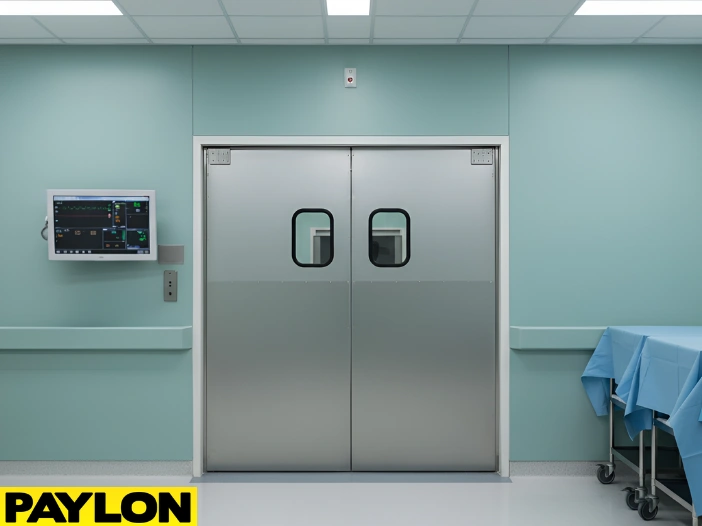
PE-710: Lightweight, Dependable Access for Support Rooms
The PE-710 offers a balanced design that works well in moderate-traffic support rooms. Its lightweight construction provides smoother movement without sacrificing needed durability. This makes it a strong fit for areas where staff move frequently between tasks but do not require the heavier build used at major doorways or equipment-focused rooms.
• Easier movement for frequent entry
• Durable enough for steady use
• Ideal for support and secondary rooms
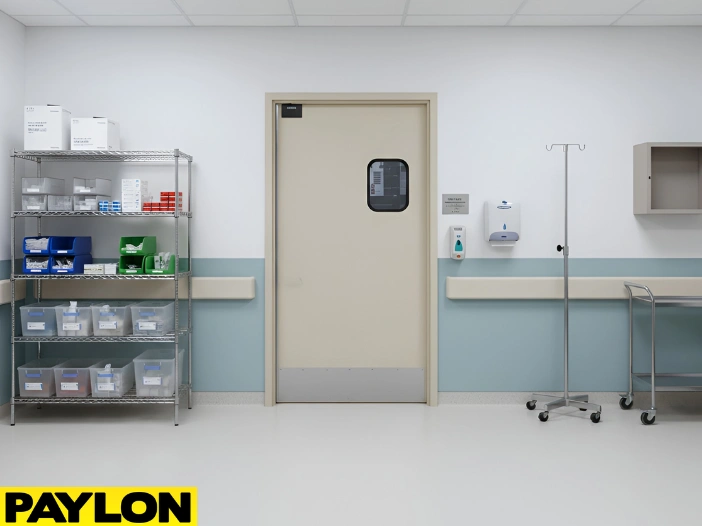
The PE-720 features an ABS plastic core, making it a practical choice for prep rooms and supply corridors. Its lighter feel supports frequent staff movement while still offering solid reliability. This model is suited for areas where medical tools, trays, and supplies are transported regularly as part of daily surgical preparation.
• Lighter design for active zones
• Strong enough for daily movement
• Useful for prep and supply pathways
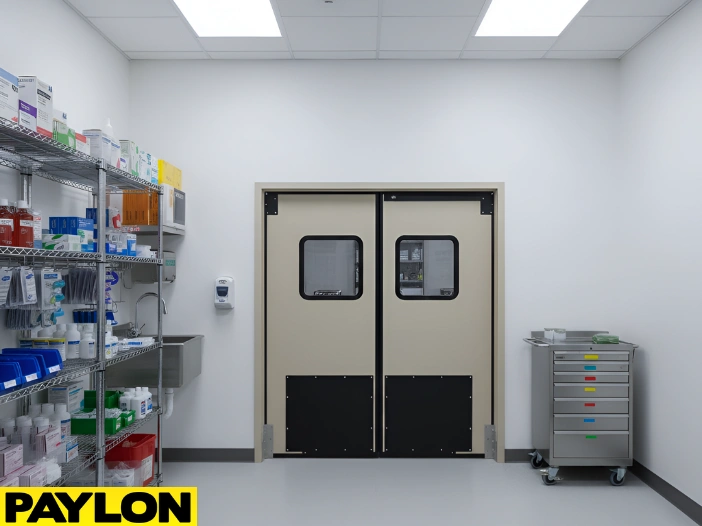
The PE-8000 is built for equipment-heavy or high-traffic areas inside the facility. Its industrial-grade construction helps withstand regular contact from carts and machinery. This makes it a dependable choice for rooms that experience continuous movement and require a door that holds up well under demanding conditions.
• Built for heavy equipment contact
• Strong performance in high-traffic zones
• Reliable for long-term use in busy areas
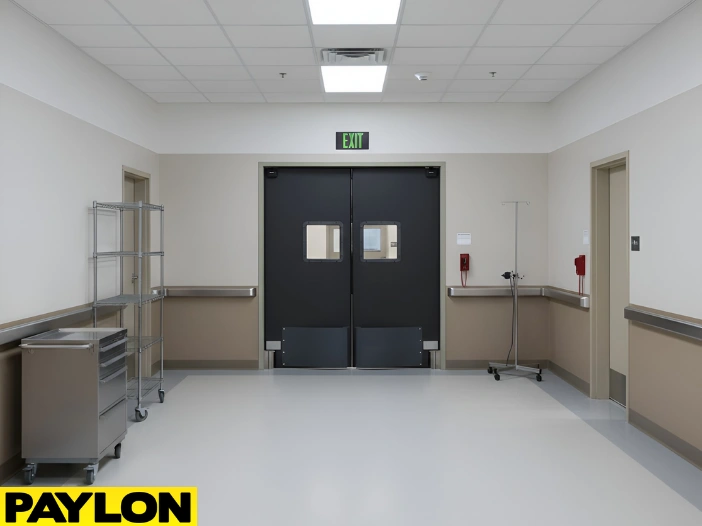
Recommended Door Models for Each Surgical Area
Each area within a surgical facility has its own workflow demands, so choosing the right door for the right room helps keep movement predictable and organized. The table below highlights which models work best in common surgical spaces and why they are suited for those placements.
| Surgery Room Area | Recommended Door Model | Key Reason It Works Well |
|---|---|---|
| Main Operating Room Entrance | PE-620ALC | Strong build and easy-clean surfaces help maintain sterility where control matters most |
| Prep and Sterile Processing Rooms | PE-720 | Lightweight ABS design supports fast, hands-free movement |
| Supply Corridors | PE-720 or PE-8000 | Designed to support constant foot and cart traffic without slowing workflow |
| Equipment Storage Rooms | PE-8000 | Industrial construction resists impact from equipment for long-term reliability |
| Moderate-Traffic Support Rooms | PE-710 | Balanced durability and lightweight design support steady, controlled movement |
Choosing the right door model for each room helps maintain a smoother flow throughout the facility. By matching the door to the environment, hospitals can support consistent movement and keep essential spaces organized and easier to manage during daily operations.
Where These Doors Work Best in a Surgical Facility
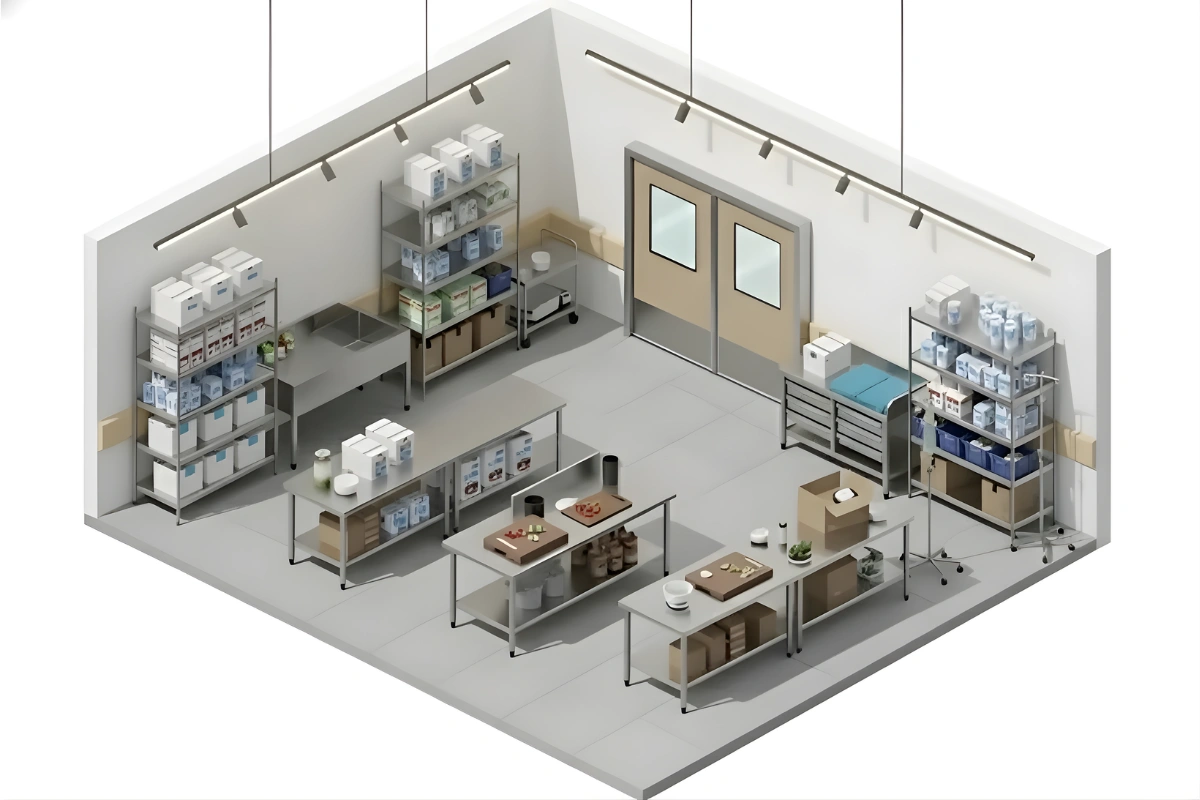
Different areas inside a surgical facility have their own movement patterns and access needs. Matching each doorway to the right swinging door model helps keep these spaces organized, predictable, and easy for staff to navigate. Here’s a quick look at where swinging doors make the biggest impact and why they work well in those locations.
| Area in Surgical Facility | Why It Matters for Swinging Doors |
|---|---|
| ✓ Operating Room Entrances | Supports steady movement in and out of critical spaces so teams can transition between preparation and procedures without slowing down. |
| ✓ Sterile Prep and Cleaning Rooms | Makes it easier for staff to move between cleaning tasks, organizing tools, and preparing supplies while keeping routines on track. |
| ✓ Recovery Room Access Points | Allows calm, quiet access so staff can check on patients, bring in supplies, or coordinate care without disrupting the recovery space. |
| ✓ Supply Hallways | Keeps busy corridors organized while carts and materials move between rooms throughout the day. |
| ✓ Equipment Transport Routes | Provides clear, predictable access on routes where equipment is moved often so transport is not slowed or blocked by doorways. |
Knowing where these doors work best helps hospitals choose the right placements for smoother traffic flow and better control across the facility. When each doorway supports the tasks performed in that area, the entire surgical space becomes easier and safer for staff to manage.
Frequently Asked Questions
FAQs About Swinging Doors for Surgery Rooms
Are swinging doors safe to use in sterile surgery rooms?
Yes, they work well in sterile environments because they limit hand contact and are easy to disinfect. Models like the PE-620ALC are often used at operating room entrances to help maintain clean, controlled conditions.
Do swinging doors help reduce contamination in medical areas?
Yes, their smooth, non-porous surfaces and hands-free movement reduce unnecessary touchpoints. This helps support cleaner conditions in prep rooms and sterile zones.
Which swinging door is best for operating room entry points?
The PE-620ALC is a strong choice for OR entrances because of its durable build and easy-clean design, which supports sterility in high-priority access areas.
What door works best for prep rooms and sterile processing areas?
Many hospitals use the PE-720 in these rooms because its lightweight ABS core supports fast, hands-free movement during busy preparation routines.
What swinging door should we use for hospital supply corridors?
Supply hallways often use the PE-720 or PE-8000, depending on traffic. The PE-720 handles frequent staff movement, while the PE-8000 supports heavy carts and equipment.
Are these doors easy to clean and disinfect?
Yes, the surfaces on models like the PE-620ALC and PE-720 are smooth and simple to wipe down, making daily sanitation quicker for medical teams.
Can swinging doors handle constant staff and cart movement?
They are built for frequent use. For heavier loads or equipment transport, the PE-8000 provides strong, reliable performance.
Do swinging doors help prevent collisions in busy hallways?
Yes, many models include clear vision panels that help staff see oncoming movement, improving safety in tight or fast-paced areas.
Are swinging doors loud when they close?
Most models operate with smooth, low-noise movement, making them suitable for sensitive areas such as recovery rooms and patient pathways.
Can these doors be used in equipment storage rooms?
Yes, storage rooms often benefit from the PE-8000 because its industrial construction resists repeated impact from carts and tools.
Are swinging doors good for moderate-traffic support rooms?
The PE-710 is commonly used in these areas. Its balanced design supports frequent staff movement without the weight of a heavy-duty model.
Do these doors help with faster movement during procedures?
Yes, their hands-free entry allows medical staff to move through rooms quickly, especially when carrying tools, trays, or supplies.
Are swinging doors suitable for narrow hallways in hospitals?
Yes, the two-way swing helps prevent bottlenecks, making them effective in tight corridors and busy movement paths.
Can swinging doors improve staff workflow in high-pressure situations?
They help maintain smoother movement by reducing delays and removing the need to stop and operate a handle.
Are swinging doors durable enough for hospital environments?
Yes, especially models like the PE-620ALC and PE-8000, which are built to handle daily wear in demanding medical spaces.
Do swinging doors support safe equipment transport?
Yes, their wide swing and clear visibility support safer movement of carts, tools, and mobile equipment.
Can these doors be used near patient recovery areas?
Yes, their smooth and quiet operation helps maintain a calm environment where noise levels need to stay low.
Are ABS-core swinging doors good for medical facilities?
Absolutely. Models like the PE-720 offer a lightweight ABS core, making them ideal for areas with frequent foot traffic and ongoing preparation work.
Are these swinging doors resistant to long-term wear?
Yes, especially the PE-8000, which is designed for long-term reliability in areas that see constant movement and equipment contact.
How do I choose the best swinging door for each area of the hospital?
Match the door to the room’s needs. Use the PE-620ALC for OR entrances, the PE-720 for prep and supply rooms, the PE-710 for support areas, and the PE-8000 for equipment-heavy zones.
Photo Gallery
Choosing the Right Door for Your Facility
Choosing the right swinging doors helps surgery rooms function more smoothly by keeping movement organized and predictable throughout the facility. When each doorway is matched to the tasks performed in that space, staff can work with greater confidence and fewer interruptions during busy moments. If you’re planning updates to your surgical areas, you can explore the recommended door models or reach out for guidance in selecting the best option for your needs.
Clean and Organized Medical Prep Area