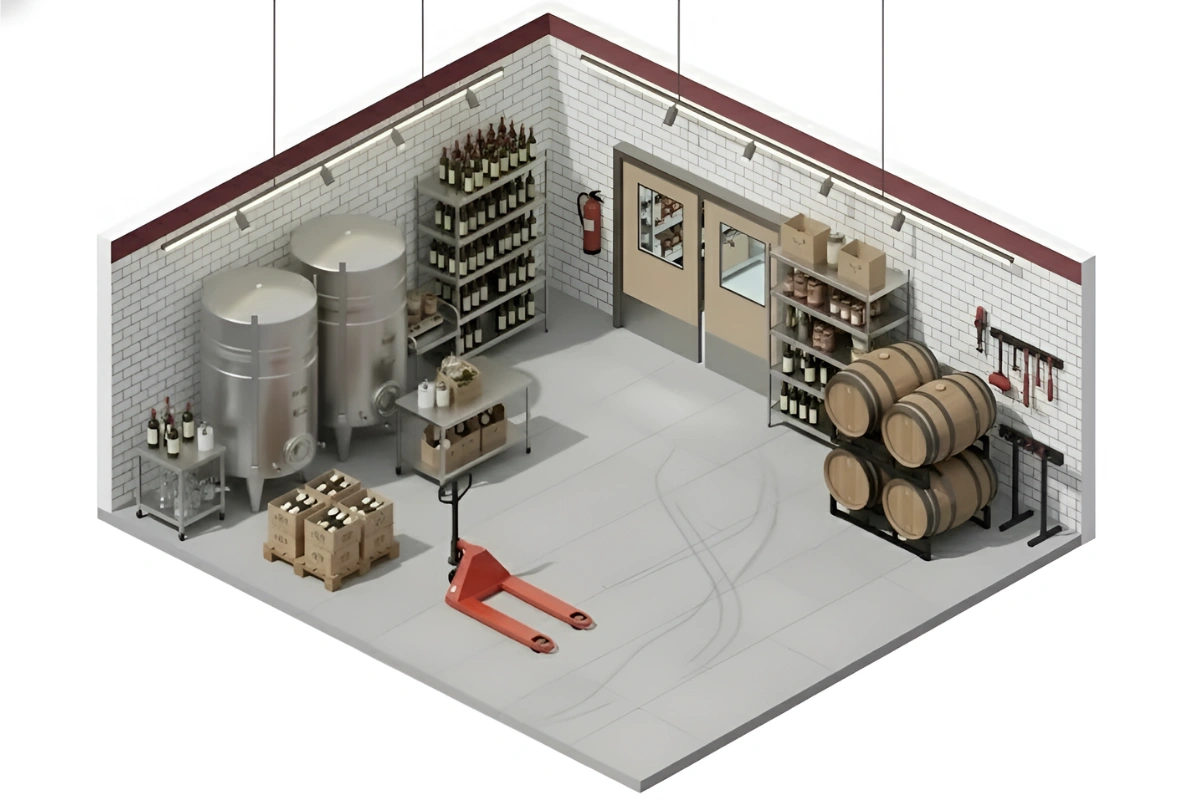
Wineries Swinging Doors
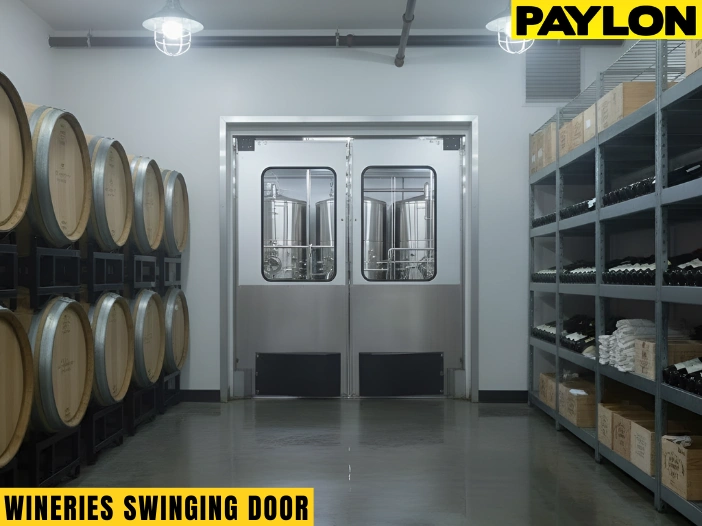
Wineries rely on smooth staff movement and comfortable guest flow to create a great experience. Swinging doors offer a simple upgrade that improves workflow, reduces congestion, and keeps transitions clean. This guide explains why these doors fit winery environments, which PE-Series models work best, how they enhance daily operations, and answers common customer questions.
Engineered for Smooth Winery Operations
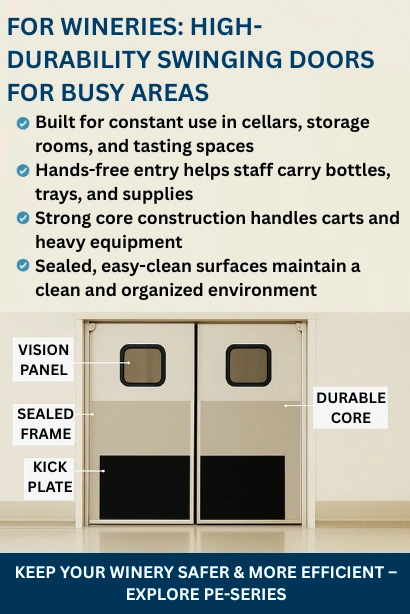
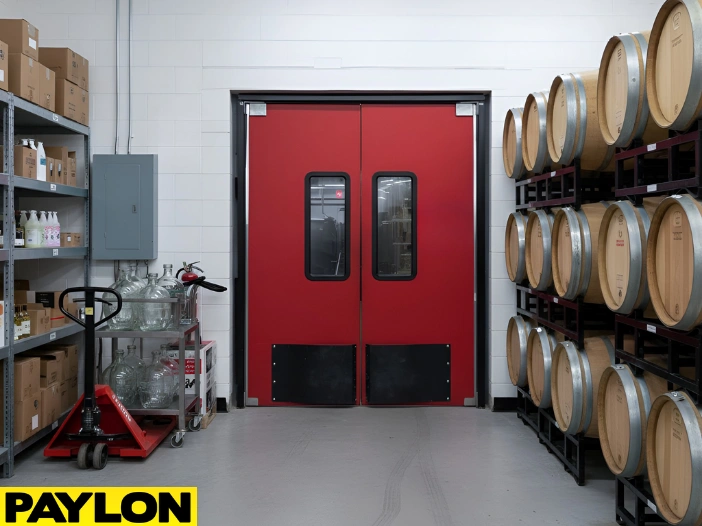
Choosing durable swinging doors can make a noticeable difference in how your winery operates each day. The PE-Series doors help streamline movement between cellar areas, storage rooms, and guest-facing spaces while keeping your environment clean and organized. Their strong construction and hands-free access support busy staff and smooth daily service. Whether you’re managing tastings or heavy equipment movement, the right swinging door helps your winery stay efficient, safe, and welcoming.
Why Swinging Doors Work Well in Winery Environments
After knowing how durable swinging doors support daily winery operations, it helps to look at why their design fits these spaces so naturally. Wineries depend on quick transitions, clear pathways, and a welcoming atmosphere. Swinging doors support these needs through smooth movement, easy operation, and a layout-friendly presence that works in both staff and guest areas.
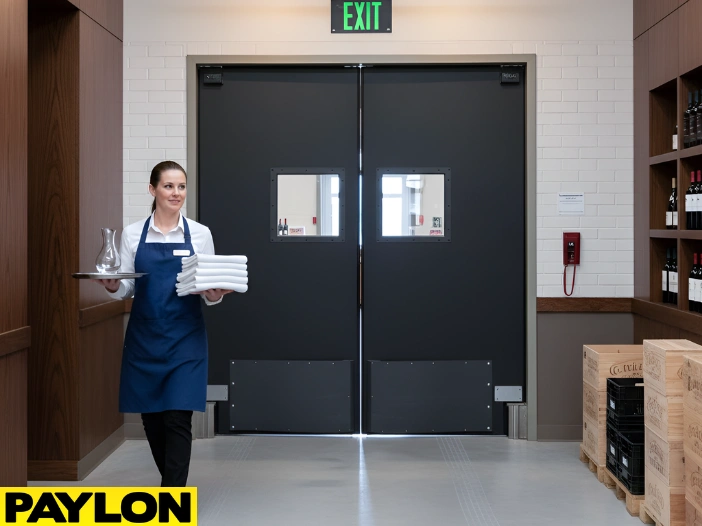
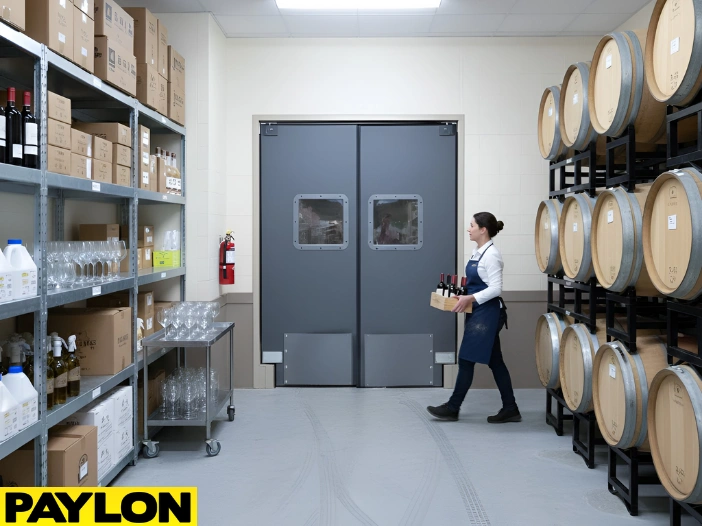
How Swinging Doors Support Fast and Efficient Staff Movement
How Bi-Directional Hinges Improve Daily Staff Movement
Swinging doors open in both directions with a light push, which helps staff move quickly without needing to stop and reach for a handle. This simple motion supports steady activity during busy hours and keeps pathways clear as employees work between different areas of the winery.
Why Seamless Door Motion Matters in Tight Winery Spaces
The smooth swing of these doors is especially useful when staff carry bottles, trays, or supplies. It reduces slowdowns in narrow hallways, helps prevent unnecessary pauses, and gives employees a direct path as they transition between cellars, storage rooms, and tasting spaces.
Why Swinging Doors Fit Both Guest Spaces and Work Zones
How Swinging Doors Create a Smooth Transition Between Winery Areas
These doors provide a gentle separation between work zones and guest paths while keeping the overall layout open and inviting. Their controlled swing helps guide movement in tasting rooms and entry points where clear flow and comfort are important for visitors.
Why Their Low-Profile Design Works in Both Staff and Guest Spaces
The minimal design of swinging doors supports activity behind the scenes without drawing attention away from the guest experience. This balance helps wineries maintain orderly service routes while ensuring that tasting areas and tour paths remain pleasant, organized, and easy for guests to navigate.
Recommended Swinging Door Models for Wineries
Wineries benefit from doors that match the needs of each area. The PE-Series offers several models suited for cellars, tasting rooms, and high-traffic service paths. Below are four options that help maintain smooth movement, durability, and a clean appearance throughout your winery.
This heavy-duty aluminum-clad door is made for moisture-prone cellar spaces and busy storage zones. It offers dependable performance in areas that require strength and easy cleaning.
• Works well in cooler, damp environments
• Resists wear from frequent daily use
• Simple to maintain for long-term reliability
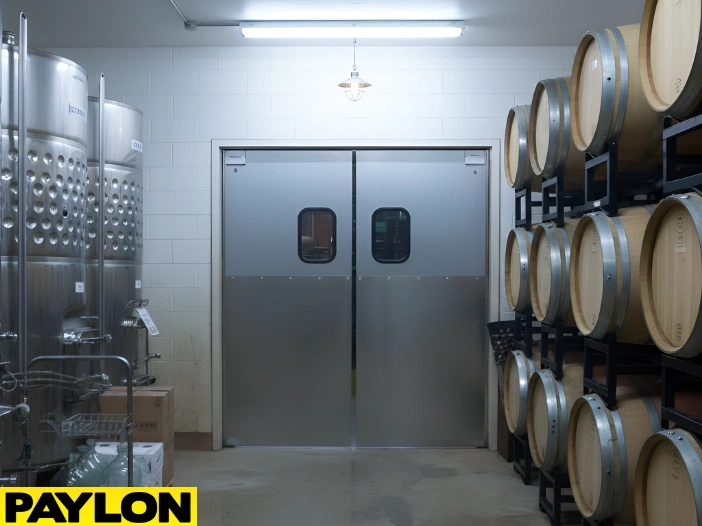
PE-710: Lightweight Design for Tasting Room Movement
The PE-710 provides a smooth, lightweight swing that fits naturally into tasting rooms and staff-only corridors. It supports frequent movement without drawing attention from guests.
• Ideal for moderate daily traffic
• Easy push-through operation
• Fits layouts that need quiet, simple transitions
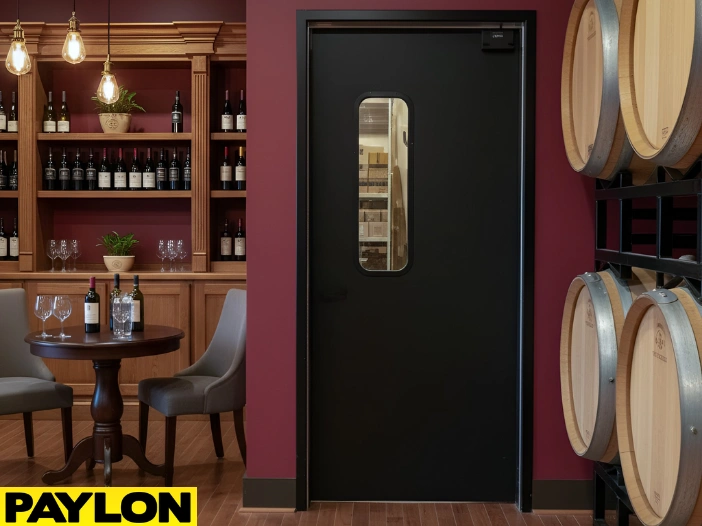
This model delivers a balance of durability and clean design, making it a strong choice for guest-facing pathways. It blends into tasting routes and tour paths while maintaining dependable performance.
• Suited for steady guest flow
• Maintains a polished appearance
• Helps guide movement through shared spaces
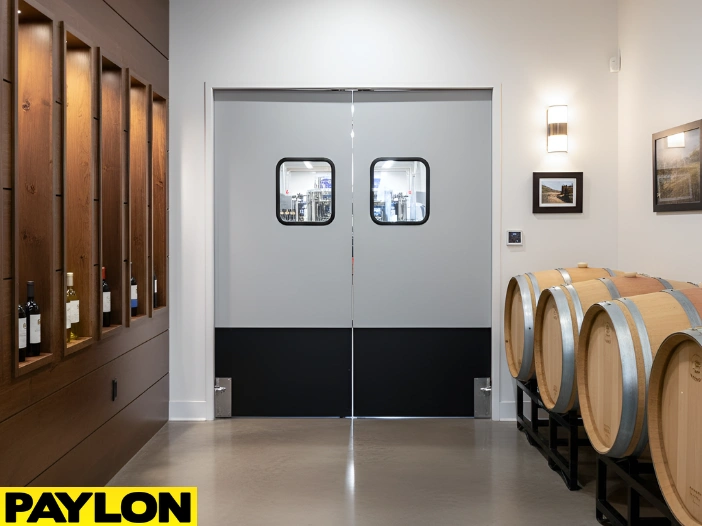
The PE-8000 is built for high-demand operational areas that experience heavy cart use or equipment movement. Its strong construction supports ongoing activity in loading and supply routes.
• Handles impact from carts and tools
• Designed for long-term use
• Ideal for busy back-of-house traffic
Find the Right Swinging Door for Your Winery
Choosing the right swinging door often comes down to how each part of your winery functions. The table below gives a quick side-by-side look at the PE-Series models so you can match each option to the traffic level, environment, and activity of the space.
| Door Model | Best Winery Use Case | Key Benefits | Ideal Placement |
|---|---|---|---|
| PE-620ALC | Heavy staff traffic, moisture exposure | Aluminum-clad durability, easy cleaning | Cellars, storage |
| PE-710 | Frequent staff movement | Lightweight swing, customizable | Tasting rooms |
| PE-720 | Guest flow and staff movement | Balanced durability, clean look | Guest-facing pathways |
| PE-8000 | Heavy operational traffic | Industrial strength, long-term reliability | Loading docks, supply routes |
This comparison gives a clear snapshot of how each model performs, making it easier to choose the door that best fits your winery’s layout and workload.
How Swinging Doors Improve Both Staff Movement and Customer Satisfaction
Once the right swinging doors are matched to each part of the winery, the day-to-day benefits become easy to see. These improvements show up in how smoothly staff can work, how comfortably guests move through the space, and how organized the entire environment feels during tastings, tours, and events.
| Benefit | Why It Matters in Wineries |
|---|---|
| ✓ Faster transitions between key winery areas | Staff can move smoothly between cellars, storage rooms, and tasting spaces, which helps service stay consistent during busy hours and keeps daily operations running on schedule. |
| ✓ Hands-free entry for staff carrying supplies | Swinging doors let employees pass through while carrying bottles, trays, or tools, so they spend less time stopping at doorways and more time focusing on guests and production tasks. |
| ✓ Smoother guest movement during tours and events | Visitors can follow tasting routes and tour paths without bottlenecks, which keeps the experience relaxed and helps groups move comfortably from one space to the next. |
| ✓ Cleaner and quieter tasting environment | The controlled swing helps limit sudden noise and visual clutter from busy work areas, which supports a calm, polished atmosphere in tasting rooms and guest-facing spaces. |
| ✓ Safer pathways with fewer collisions | Clear, dedicated pathways reduce the chance of bumps or accidental contact between staff and guests, especially when tours, events, and service are happening at the same time. |
These improvements help create a winery environment that feels efficient for staff and welcoming for visitors, supporting smoother experiences throughout the entire space.
Frequently Asked Questions
Frequently Asked Questions About Swinging Doors for Wineries
Which swinging door model is best for a busy winery?
For most high-traffic wineries, the PE-720 and PE-8000 are common choices because they handle steady movement between tasting paths, service areas, and production zones. They keep people moving smoothly without slowing down staff or guests.
Are swinging doors durable enough for cellar conditions?
Yes. Cellars often deal with moisture, cooler temperatures, and frequent movement, which is why many wineries choose the PE-620ALC. Its aluminum-clad exterior holds up well in damp environments and is easy to clean.
Do swinging doors help reduce noise in tasting rooms?
They can help soften noise from busy work areas, especially when guests are in tasting rooms or tour paths. A door like the PE-710 provides a quiet, smooth swing that keeps the experience calm and inviting.
Can swinging doors be customized for unique winery layouts?
Yes. PE-Series doors can be made to fit different widths, heights, and design needs so they match your tasting spaces, cellar entrances, or bottling room access points.
Are swinging doors easy to clean after spills or wine drips?
Most PE-Series doors are built with surfaces that wipe clean quickly, which is helpful in tasting rooms, cellars, or production areas where spills happen. The PE-620ALC, for example, handles moisture and frequent cleaning well.
Which door works best for tasting room entrances?
Tasting rooms benefit from a door that feels light, quiet, and smooth, which is why the PE-710 is a popular choice. It allows staff to move freely without disturbing guests.
What door should we use for cellar access during tours?
For cellar tours, the PE-720 works well because it offers a clean, professional appearance while handling steady guest and staff movement.
Do swinging doors help prevent bottlenecks in narrow winery hallways?
Yes. Swinging doors open both ways and remove the need for handles, which helps reduce traffic jams in tight cellar corridors or production walkways.
Are swinging doors safe for areas with equipment or carts?
For equipment-heavy zones, the PE-8000 is designed to handle repeated impact from carts or tools. It stays steady even in demanding work conditions.
Can we install swinging doors in outdoor-to-indoor transitions?
Yes, as long as the door selected is designed for the environmental conditions. The PE-620ALC works well near cooler cellar entrances or semi-exposed areas where durability matters.
Do swinging doors help guide visitor movement during winery tours?
They support clear pathways and make it easier for groups to move through barrel rooms, production areas, or tasting stops. The PE-720 blends well with guest areas and supports smooth transitions.
Can swinging doors help keep cellar air more stable?
Swinging doors are not airtight, but they help limit unnecessary airflow and temperature changes between cellar rooms. This is useful when maintaining cooler storage spaces.
Are these doors good for wineries with limited space?
Yes. Swinging doors require no handle clearance and open both ways, making them ideal for narrow hallways or compact work areas.
Do swinging doors improve staff efficiency during events?
They help staff move faster when carrying bottles, trays, or supplies because no handle is needed. This reduces delays and keeps service running smoothly.
Can these doors match the aesthetic of a modern winery?
Yes. PE-Series doors have clean, simple designs that blend into both rustic and modern tasting environments.
How long do PE-Series swinging doors typically last?
Their lifespan depends on use, but most wineries see long-term durability because the doors are built for daily traffic. The PE-8000 offers the highest strength for demanding areas.
Are swinging doors safe around guests carrying wine glasses?
Yes. Vision panels and smooth swing action help reduce surprises and allow people to see who is coming through.
Can the doors be installed without major construction?
Most swinging doors install easily into existing frames, making them a simple upgrade for tasting areas or cellars.
Do these doors help with cleanliness in production spaces?
Yes. Their wipe-clean surfaces and hands-free operation help maintain tidiness during bottling, storage, and cellar work.
How do I know which swinging door fits my winery best?
It depends on traffic levels, environment, and whether the door will be used by staff, guests, or both. The PE-620ALC, PE-710, PE-720, and PE-8000 each support different needs.
Photo Gallery
Enhance Your Winery with the Right Doors
Choosing the right swinging doors can make a meaningful difference in how your winery operates each day. When staff can move easily and guests enjoy smooth transitions through tasting paths and tour areas, the entire environment feels more organized and welcoming. The PE-Series models offer reliable options for cellars, tasting rooms, and high-traffic service routes, helping wineries improve workflow and create a more enjoyable guest experience. If you're looking to upgrade your layout and support better service flow, exploring the PE-620ALC, PE-710, PE-720, and PE-8000 is a strong next step toward building a more efficient and inviting space.
Clean Facility Workspace