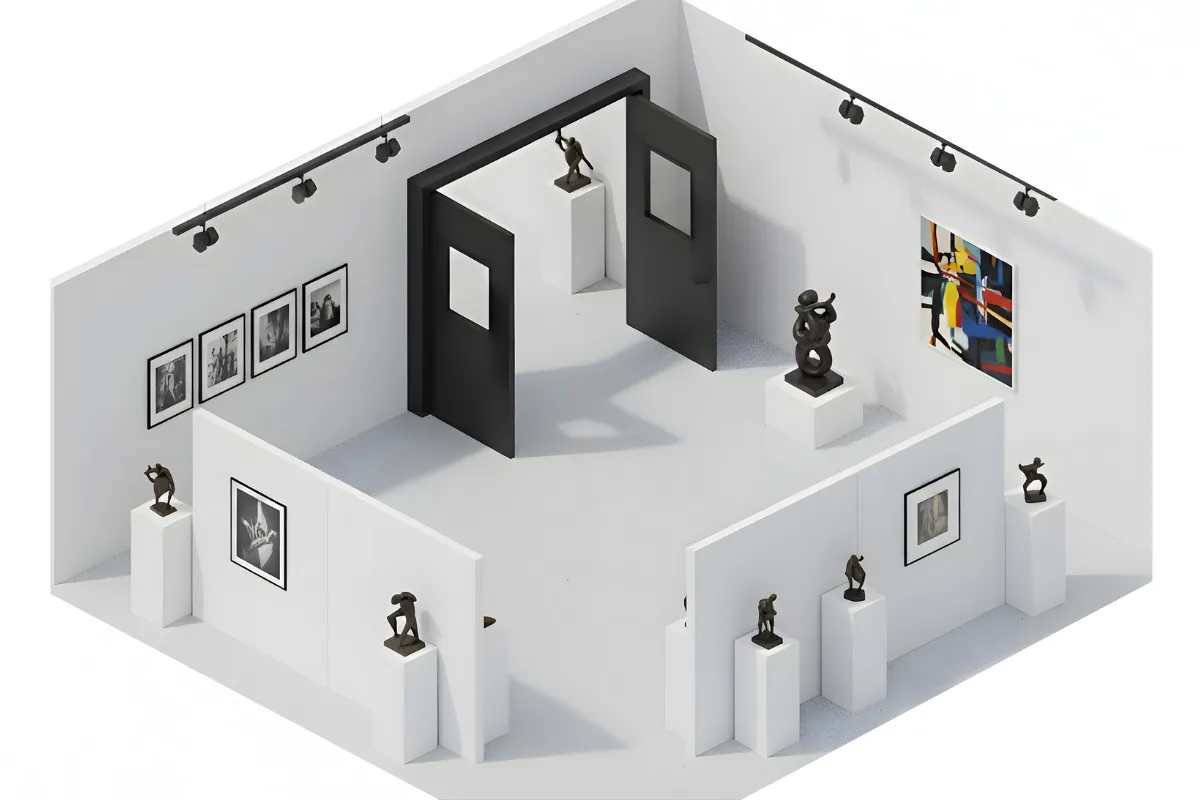
Gallery Entrance Swinging Doors
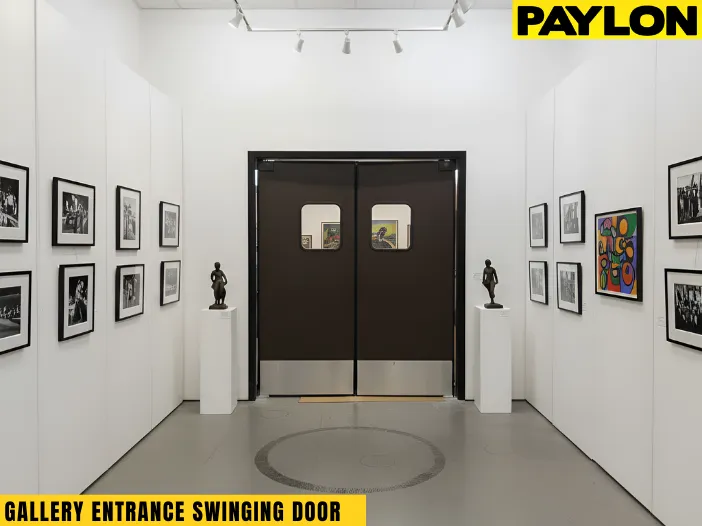
Busy visiting hours often create slowdowns and congestion at gallery entrances. Gallery entrance doors play a critical role during peak times. This article explains what galleries gain from using swinging doors, highlights swinging door options suited for busy entrances, and helps readers choose the right solution based on traffic levels, layout, and daily use.
Built for Busy Gallery Entrances
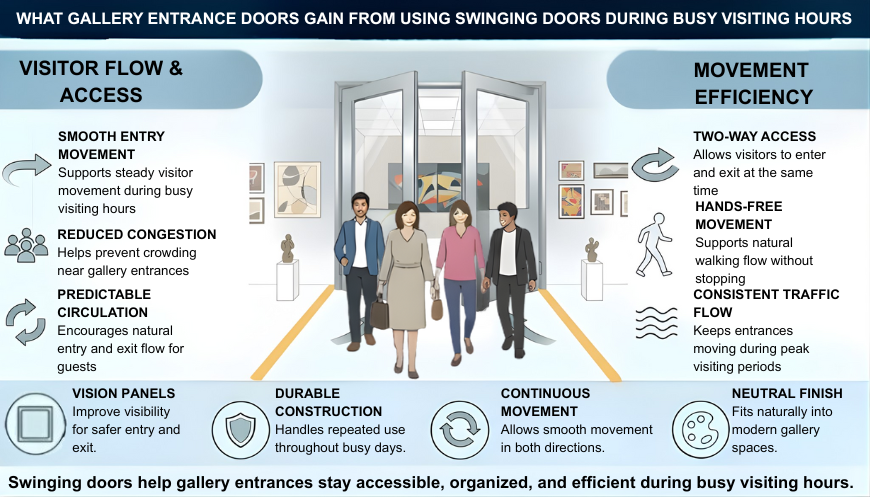
Busy visiting hours can quickly turn gallery entrances into congestion points if doors are not built for constant movement. This infographic highlights what gallery entrance doors gain from using swinging doors during peak periods, including smoother visitor flow, fewer pauses, and better handling of repeated entry and exit. By understanding how different swinging door options support busy conditions, galleries can make more informed decisions that improve access and reduce disruptions throughout the day.
What Gallery Entrance Doors Gain During Busy Visiting Hours
Once visitor traffic increases, gallery entrance doors need to support steady movement without interruption. During busy visiting hours, the way an entrance handles repeated entry and exit has a direct impact on how smoothly the space functions throughout the day.
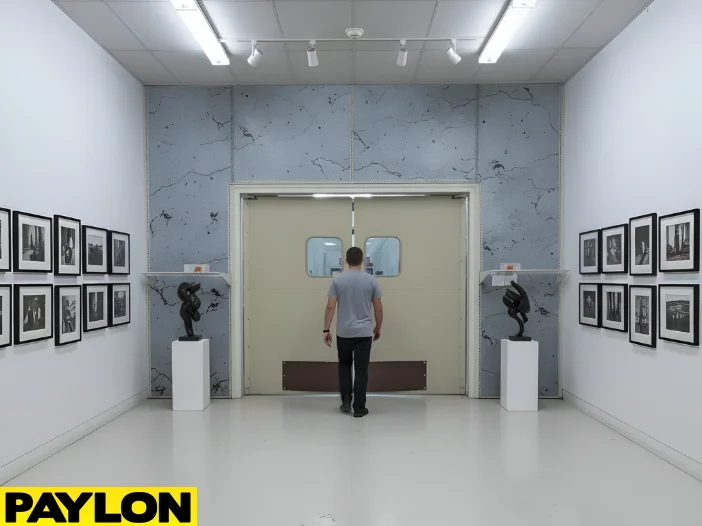
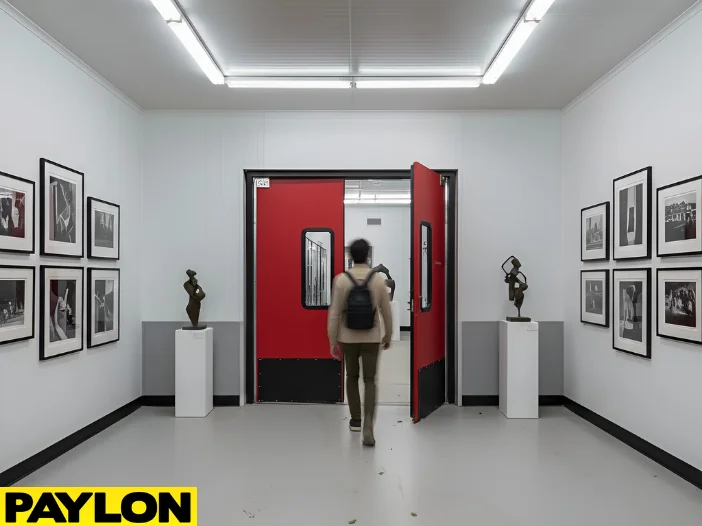
Smoother Visitor Movement with Fewer Bottlenecks
Smoother Visitor Movement
Gallery entrance doors gain smoother visitor movement when people can pass through without stopping or hesitating. Natural movement helps visitors enter and exit at a comfortable pace, even when traffic is high. This keeps entrances active and accessible without creating pressure or crowding.
Fewer Bottlenecks at Peak Times
When doors allow movement in both directions, bottlenecks are less likely to form during peak hours. Fewer pauses at the entrance help traffic spread out more evenly, reducing congestion near the doorway and keeping visitor flow steady.
Better Group Flow and Reduced Door Wear
Better Group Flow During Busy Hours
Busy galleries often receive visitors in groups, such as guided tours or families arriving together. Entrance doors that support continuous movement allow groups to pass through smoothly without interrupting other visitors. This helps maintain balance and prevents sudden backups when multiple people arrive at once.
Reduced Strain from Repeated Daily Use
Entrance doors experience less strain when they are built to handle constant movement. Repeated daily use places less stress on the door system, helping doors perform consistently during busy periods and reducing issues caused by frequent opening and closing.
Swinging Door Options That Support Busy Gallery Entrances
Once galleries understand how busy visiting hours affect entrance performance, the next step is choosing a swinging door that matches how the space is actually used. Each option below is suited to a specific traffic pattern commonly seen in gallery environments.
The PE-620ALC is a practical option for galleries that see a consistent flow of visitors throughout the day. It works best in spaces where traffic is predictable and does not spike sharply during events.
• Supports consistent entry and exit during normal operating hours
• Fits galleries with predictable visitor patterns throughout the day
• Works well where traffic remains steady without extreme peak periods
• Helps maintain dependable entrance performance during daily use
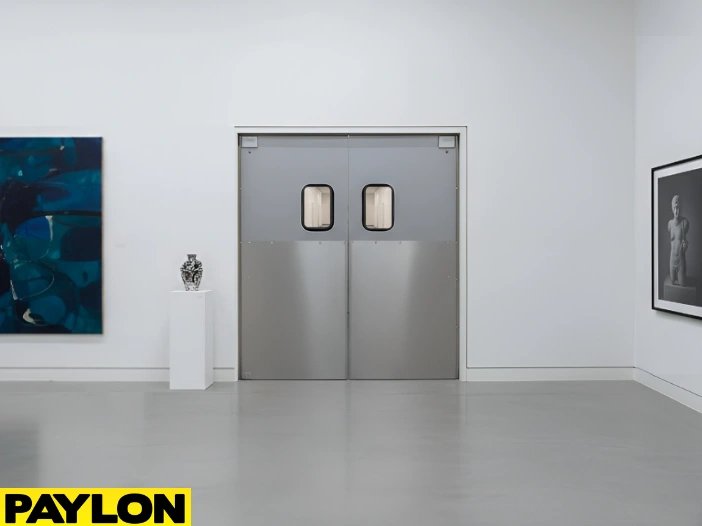
PE-710 for Frequent Opening and Closing During Events
The PE-710 is well suited for galleries that experience bursts of activity during events or scheduled tours. It fits entrances where doors are used repeatedly over short periods.
• Suited for galleries that host events, tours, or scheduled group visits
• Handles repeated use during short periods of increased activity
• Fits entrances that alternate between quiet hours and busy moments
• Supports entrances that experience traffic surges rather than constant flow
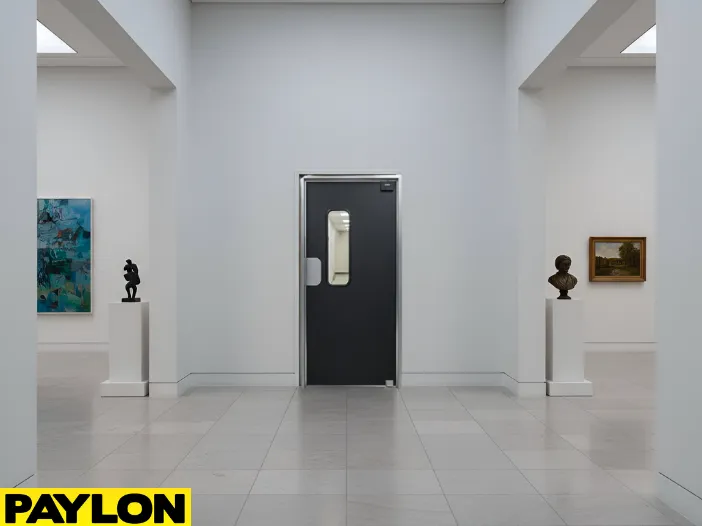
The PE-720 is a strong choice for entrances where visitors approach from both sides at the same time. It supports smoother movement in areas where awareness helps people move with confidence.
• Fits entrances with movement occurring in both directions at once
• Helps visitors anticipate others approaching the doorway
• Works well where circulation paths are close to the entrance
• Supports clearer movement in active entry areas
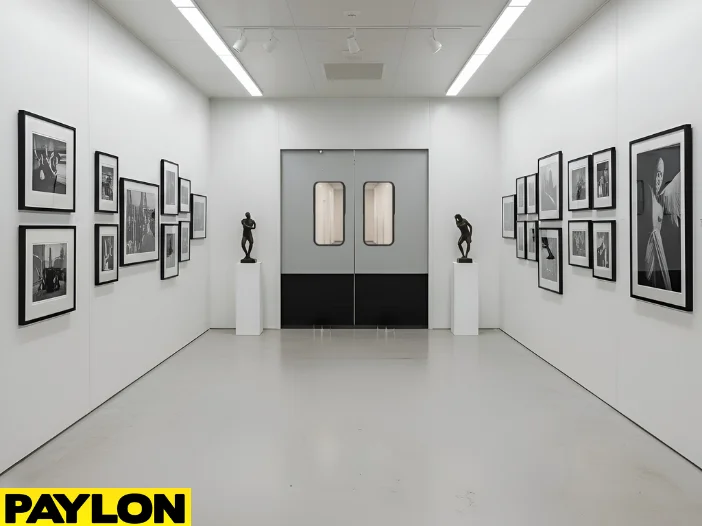
The PE-8000 is designed for galleries with high visitor volume or wider entry points. It fits environments where entrances remain active for long periods during the day.
• Designed for entrances with consistently high visitor volume
• Fits wider openings that remain active for longer periods
• Supports galleries with extended peak visiting hours
• Helps maintain reliable performance under heavy daily use
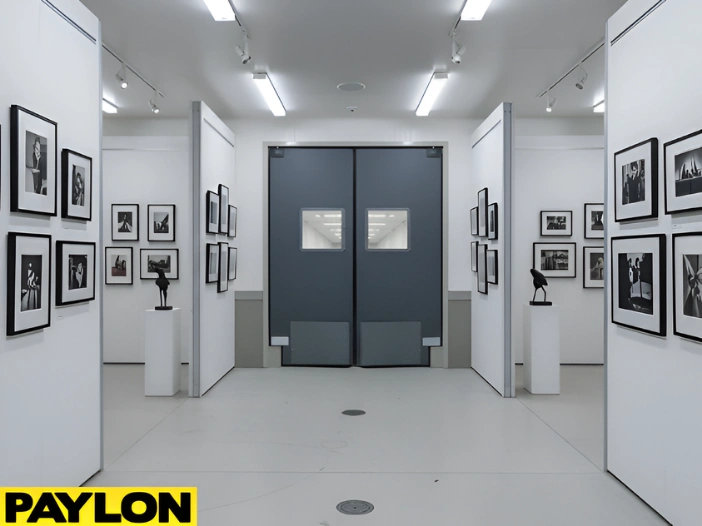
Swinging Doors for Busy Gallery Entrances
After knowing how each swinging door option aligns with different gallery traffic patterns, a quick comparison can make the selection process easier. The table below summarizes which swinging door model fits specific entrance conditions, helping galleries narrow down their options without revisiting detailed explanations.
| Swinging Door Model | Best Fit For Galleries That Have | Why It Works During Busy Hours |
|---|---|---|
| PE-620ALC | Steady daily visitor traffic | Maintains smooth movement throughout the day |
| PE-710 | Frequent entry and exit cycles | Supports continuous use without slowdowns |
| PE-720 | Higher awareness needs at entrances | Helps manage visitor flow at peak times |
| PE-8000 | Very busy or wide entry points | Handles heavy traffic without performance drop |
This comparison is meant to simplify decision-making by clearly matching gallery entrance conditions with the swinging door option that best supports them during busy visiting hours.
How to Choose the Right Swinging Door for Your Gallery
After knowing the available swinging door options, the next step is understanding how your gallery’s entrance is used during busy visiting hours. Choosing the right door is less about technical details and more about how visitor patterns, space, and long-term use come together in your environment.
| Decision Factor | Why It Matters for Busy Gallery Entrances |
|---|---|
| ✓ Visitor Volume During Busy Visiting Hours | Peak visitor volume helps you narrow down which swinging door option fits your entrance conditions. Galleries with steady daily traffic may need a different fit than galleries with sharp increases during events or special exhibits. |
| ✓ Entrance Size and Layout | Entrance width, nearby walkways, and two-way movement patterns affect which swinging door option works best. A layout that supports smooth circulation helps the door fit naturally into daily visitor movement. |
| ✓ Frequency and Duration of Peak Traffic | Some galleries experience short spikes, while others stay busy for extended periods. Knowing how often peak traffic happens and how long it lasts helps you choose a swinging door option that can keep up with your schedule. |
| ✓ Long-Term Durability Expectations | Long-term expectations matter when an entrance sees frequent daily use. Choosing a door option built for reliable performance over time can reduce the need for adjustments or repairs as visitor demands continue. |
By evaluating these considerations together, galleries can confidently select a swinging door solution that supports smooth access, consistent performance, and long-term reliability during busy visiting hours.
Frequently Asked Questions
FAQs About Swinging Doors in Gallery Entrance Door
Do swinging doors help reduce congestion during busy visiting hours in galleries?
Yes. Swinging doors support continuous movement, which helps reduce congestion at gallery entrances during busy visiting hours when visitor flow increases.
Are swinging doors suitable for public gallery entrances with high visitor traffic?
Swinging doors are well suited for public gallery entrances because they allow two-way movement and adapt easily to changing traffic levels throughout the day.
Which swinging door works best for galleries with high visitor traffic?
The right option depends on entrance size and traffic patterns. Galleries with consistently high visitor volume often look at options like the PE-8000 for demanding entrance conditions.
How do swinging doors handle repeated daily use in busy galleries?
Swinging doors designed for commercial environments are built to perform reliably under frequent daily use, making them suitable for galleries that stay active throughout operating hours.
Are swinging doors easy to maintain in public gallery environments?
Yes. Swinging doors are generally easy to maintain and fit well into gallery environments where consistent operation and minimal disruption are important.
Can swinging doors support both entry and exit at the same time during peak hours?
Yes. Swinging doors allow visitors to enter the gallery while others exit, which helps maintain steady movement at busy access points.
Do swinging doors work well for guided tours and group arrivals?
They do. Swinging doors help groups move through entrances smoothly without interrupting other visitors, which is useful during tours and scheduled visits.
Are swinging doors a good option for galleries with limited entrance space?
They can be. Selecting the right swinging door option based on layout helps ensure the entrance remains accessible without overcrowding nearby walkways.
How do swinging doors improve visitor flow at gallery entrances?
By reducing hesitation at the doorway, swinging doors help visitors move naturally through the entrance, even during periods of increased traffic.
Can swinging doors handle peak traffic during special exhibits or events?
Yes. Galleries that host events often choose options like the PE-710 to support frequent opening and closing during short bursts of high activity.
Do swinging doors require staff assistance to operate during busy hours?
No. Swinging doors operate naturally, allowing visitors to pass through without staff involvement, even during peak periods.
Are swinging doors suitable for galleries with changing traffic levels throughout the day?
Yes. Swinging doors adapt well to both quiet and busy periods, making them a practical choice for galleries with fluctuating visitor patterns.
How long do swinging doors typically last in busy gallery environments?
When selected for the right conditions, swinging doors are built to perform consistently over long periods of regular use.
Do swinging doors help keep gallery entrances organized during busy times?
Yes. Supporting continuous movement helps entrances stay orderly, even when visitor volume increases during peak visiting hours.
Are swinging doors appropriate for both small and large gallery entrances?
Swinging doors can be selected for a wide range of entrance sizes, from compact access points to larger, high-traffic gallery entrances.
Can swinging doors reduce wear caused by frequent opening and closing?
Doors designed for constant movement experience less strain from repeated use, helping maintain consistent performance over time.
Do swinging doors work well for galleries with two-way circulation near the entrance?
Yes. Options like the PE-720 are often considered where awareness of oncoming visitors helps support smoother movement at active entry points.
Are swinging doors disruptive to quiet gallery spaces?
No. When chosen appropriately, swinging doors support movement without drawing attention or disrupting the gallery environment.
How do galleries decide which swinging door option fits their entrance best?
Most galleries consider visitor volume, entrance layout, peak traffic duration, and long-term use when narrowing down the right swinging door option.
Are swinging doors a long-term solution for busy gallery entrances?
Yes. Swinging doors are commonly used as long-term entrance solutions because they support daily use and evolving visitor demands over time.
Photo Gallery
Keeping Gallery Entrances Moving Smoothly During Busy Visiting Hours
During busy visiting hours, gallery entrance doors play an important role in keeping movement smooth and controlled. The right swinging door setup helps entrances handle steady traffic, reduce interruptions, and maintain a welcoming flow for visitors throughout the day, allowing galleries to focus on the visitor experience rather than managing congestion. Exploring swinging door options that align with traffic patterns, entrance layout, and long-term use is a practical next step toward improving access during peak periods.
Support Smooth Visitor Circulation