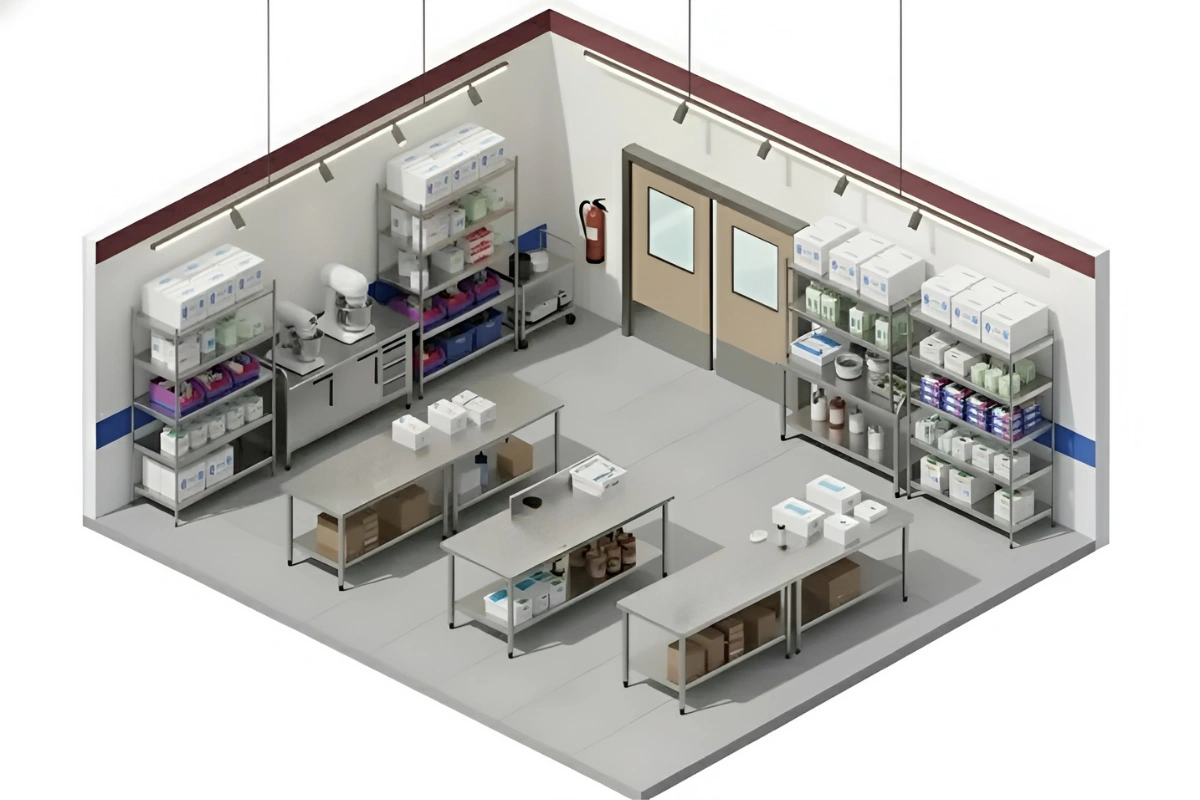
Medical Facilities Swinging Doors
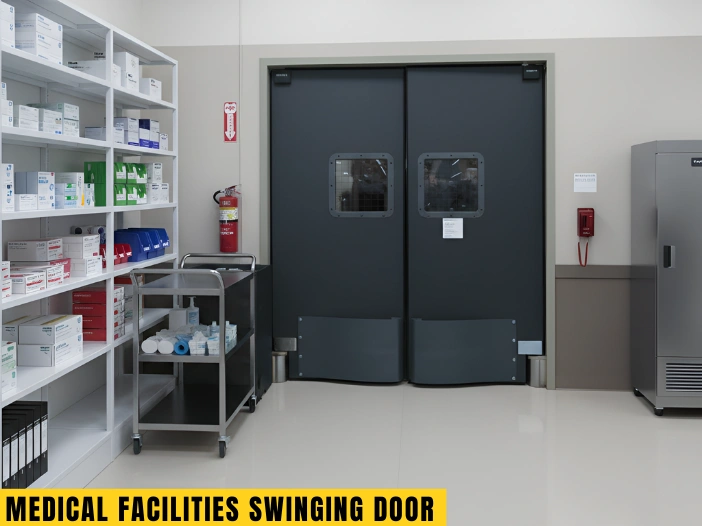
Medical facilities rely on reliable, easy-to-maintain doors that support both hygiene and daily movement. This guide explains how swinging doors help streamline operations, outlines which models fit different medical areas, compares their key features, and offers practical tips to help you choose the right option for your facility, followed by answers to common questions.
Designed for Medical-Grade Environments
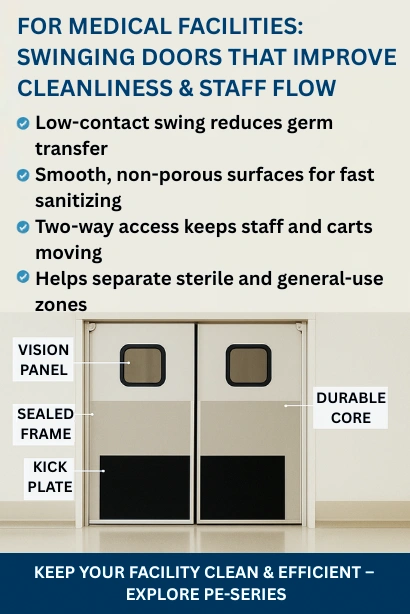
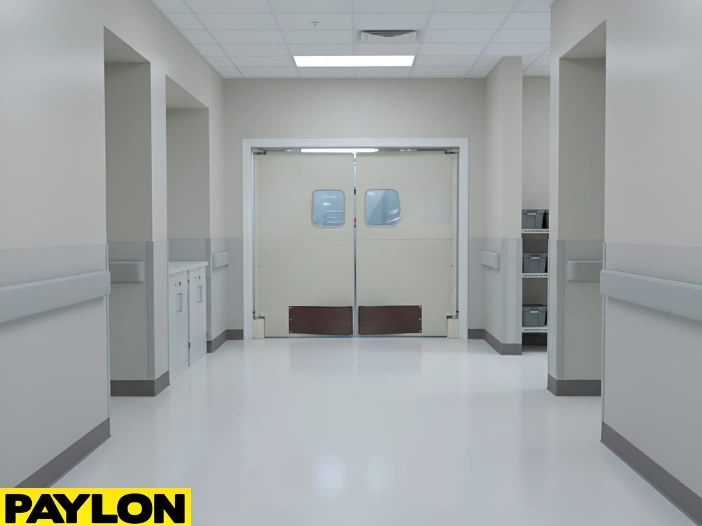
Swinging doors help medical facilities maintain cleaner spaces and smoother daily operations. Their low-contact design reduces contamination risks, while durable, easy-clean surfaces support strict medical sanitation routines. With two-way swing, staff can move equipment, carts, and patients more efficiently throughout the day. Upgrading to the right swinging door model ensures your facility stays organized, hygienic, and ready to meet the demands of a fast-paced healthcare environment.
How Swinging Doors Improve Cleanliness and Daily Efficiency
Swinging doors play an important role in keeping medical facilities running smoothly. They support everyday movement, help protect hygiene standards, and make it easier for staff to work efficiently without stopping to manage heavier doors.
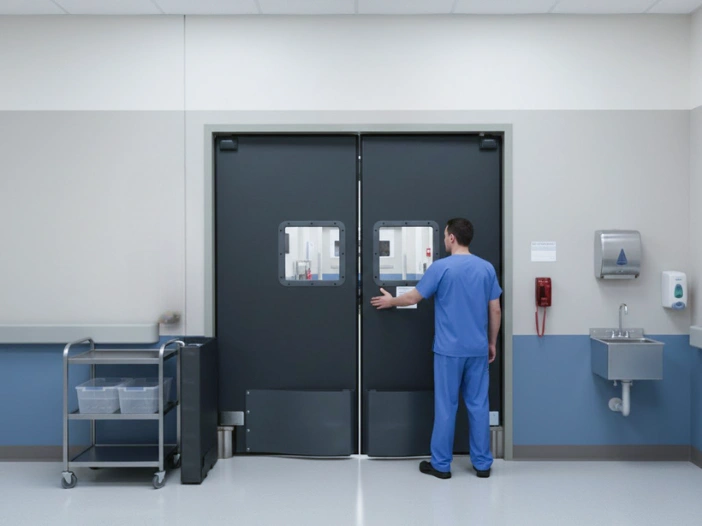
Improving Cleanliness and Reducing Germ Transfer
Reducing Germ Transfer in Busy Medical Areas
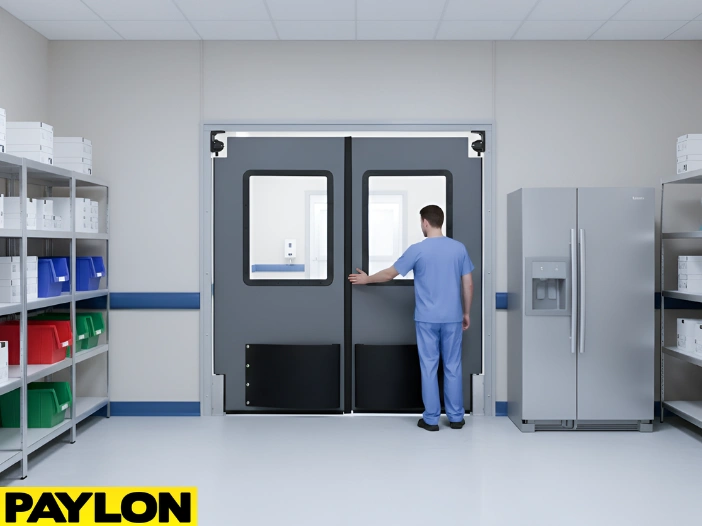
Swinging doors help limit the spread of germs by allowing staff to move through rooms without touching door handles as often. This lower-contact movement is especially helpful when hands are full or when gloves need to stay clean for patient care.
Supporting Consistent Cleaning and Hygiene Routines
The smooth surfaces on swinging doors are simple to wipe down, which makes regular cleaning faster for staff. This helps facilities keep up with sanitation routines that happen several times a day. These features support patient safety and make consistent hygiene more achievable.
Supporting Faster Movement and Better Workflow
Helping Staff Move Quickly Through Busy Areas
The two way swing makes it easier to move stretchers, wheelchairs, and carts without slowing down. Staff can pass through quickly even during busy hours, which helps prevent delays in patient care.
Keeping Hallways Organized and Reducing Interruptions
Swinging doors help separate clean zones from general traffic areas, creating an organized flow throughout the building. This supports a steady pace throughout the day and helps reduce unnecessary interruptions that can slow staff down.
Recommended Swinging Door Options for Medical Facilities
Choosing the right swinging door can make each part of a medical facility run more smoothly. Different rooms experience different levels of traffic, cleaning routines, and daily activity, so it helps to match each space with a door designed for its specific needs. Below are four reliable options commonly used in healthcare environments.
The PE-1500 is built for main hallways and high-traffic spaces that see movement all day. Its sturdy construction offers dependable performance even when equipment and carts pass through regularly. This model helps keep busy pathways moving without slowing staff down or interrupting daily routines.
• Strong enough for constant use
• Works well in main corridors
• Supports uninterrupted movement
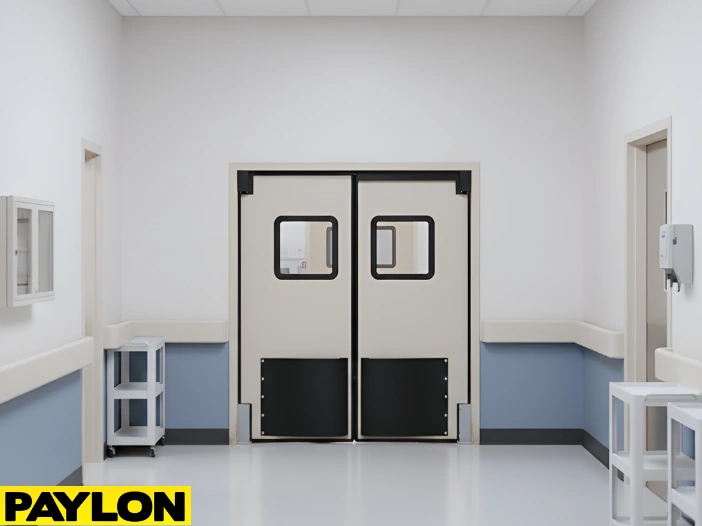
PE-8000 for Medium-Traffic Rooms
The PE-8000 is well suited for labs and supply rooms where steady movement is common. Its lightweight build makes it easy for staff to use throughout the day. This model handles frequent cleaning and regular wear without losing reliability, which helps keep essential rooms functioning smoothly.
• Supports steady in-and-out movement
• Easy for staff to manage
• Durable under frequent cleaning
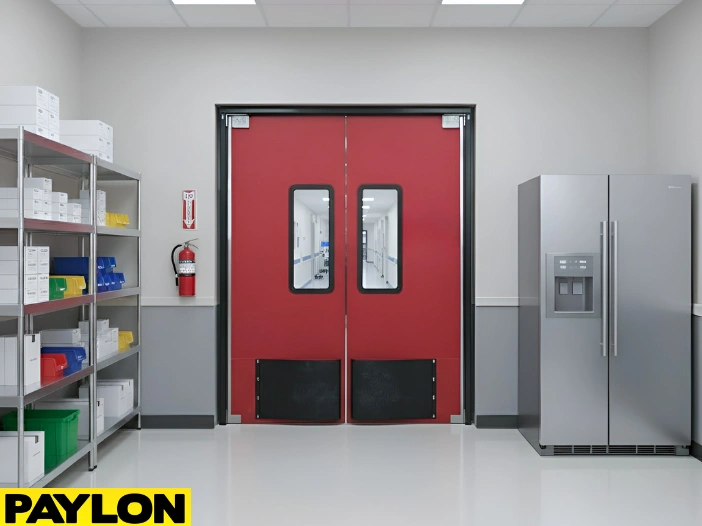
The PE-9000 is designed for areas that require higher sanitation standards. Its non-porous surface stands up to repeated cleaning without wearing down. This model works well in prep rooms and sterilization areas where conditions need to stay controlled and predictable to support consistent routines.
• Ideal for strict sanitation needs
• Non-porous and long lasting
• Handles repeated disinfecting
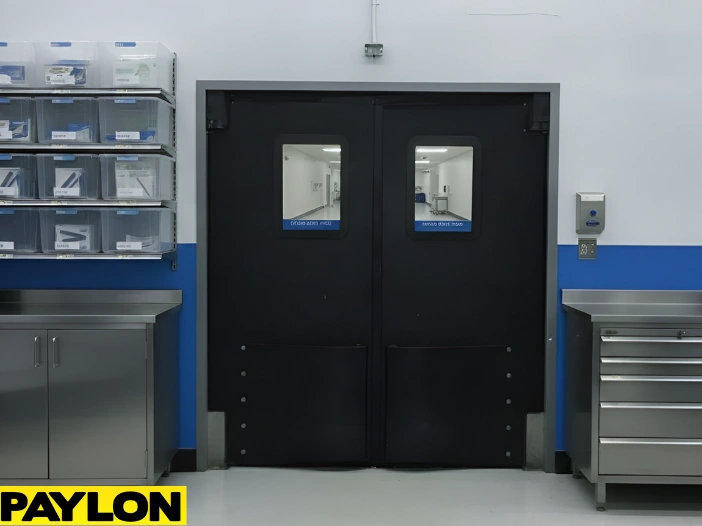
The PEX-9000 is a practical choice for utility rooms and secondary hallways. It offers dependable performance for everyday use without the higher cost of heavier models. This option supports areas that do not see constant activity but still need a door that is simple to clean and maintain.
• Affordable, dependable option
• Fits lighter traffic areas
• Easy to clean and maintain
Side-by-Side Swinging Door Comparison
Choosing between different swinging door models becomes easier when you can see their features in a simple, organized format. The table below breaks down where each option fits best, how it supports hygiene needs, and the level of traffic it is built to handle. This helps facility managers select the right door for each area with ease.
| Model | Best For | Hygiene Benefit | Traffic Level | Why Choose It |
|---|---|---|---|---|
| PE-8000 | Labs, supply rooms | Easy-clean PVC frame | Medium | Smooth daily use, ideal for cart movement |
| PE-9000 | Sterile rooms, prep areas | Non-porous and highly sanitizable | Medium to High | Built for strict hygiene requirements |
| PE-1500 | Main corridors, busy entrances | Withstands constant cleaning | High | Reduces hallway congestion and stays durable |
| PEX-9000 | Utility areas, secondary hallways | Simple to maintain | Low to Medium | Reliable, budget-friendly everyday option |
This comparison table offers a clear snapshot of how each model performs in different medical settings. With these details in view, choosing the right door becomes much simpler and helps ensure each space gets the model that best suits its traffic and cleanliness needs.
How to Choose the Right Swinging Door for Your Facility
Selecting the right swinging door becomes easier when you look at what each area of your facility needs. Different rooms have different levels of activity, cleaning routines, and equipment movement, so it helps to match each space with a door that supports daily work without slowing staff down.
| Consideration | Why It Matters In Medical Facilities |
|---|---|
| ✓ Traffic Level In Each Area | Helps you decide which doors can handle daily activity without wearing out too quickly, so busy corridors get stronger models and quieter rooms use lighter options that still support smooth movement. |
| ✓ Hygiene Needs Of The Room | Matching the door material to sanitation requirements helps rooms with frequent disinfecting use non-porous models, while general spaces can rely on easy-clean frames that are simple to maintain. |
| ✓ Workflow And Equipment Size | Considering how staff move and what passes through each doorway ensures stretchers, carts, and supplies can travel smoothly, which supports predictable movement and fewer slowdowns during the day. |
| ✓ Quick Model Match | Using a simple guide helps pair each zone with the right door: PE-9000 for high hygiene, PE-1500 for heavy traffic, PE-8000 for medium traffic, and PEX-9000 for utility or light-to-medium areas. |
By considering traffic levels, hygiene needs, and everyday workflow, facility managers can choose a swinging door that fits each area with confidence. This helps create a safer, more organized environment where staff can work efficiently and patient care can stay uninterrupted.
Frequently Asked Questions
Frequently Asked Questions About Swinging Doors for Medical Facilities
Are swinging doors safe for medical facilities?
Yes. PE-Series swinging doors are built for daily medical use, offering smooth, low-force movement that reduces collision risks. Models like the PE-1500 and PE-9000 include vision panels for better visibility, helping staff move safely through busy hallways and treatment areas.
Which swinging door is best for high-hygiene areas?
Rooms that require frequent sanitizing, such as prep rooms or sterilization zones, work best with the PE-9000. Its non-porous surface supports strict cleaning routines and helps maintain consistent hygiene throughout the day.
Can swinging doors support stretchers, carts, and equipment?
Yes. Swinging doors like the PE-1500 and PE-8000 allow stretchers, wheelchairs, and supply carts to pass through without slowing staff down. Their two-way swing supports smooth movement during busy hours.
What materials are easiest to sanitize in medical settings?
Non-porous surfaces are simplest to wipe down, which is why the PE-9000 and PE-8000 are commonly used in healthcare environments. Their smooth frames support fast, repeated cleaning without wearing down.
Do swinging doors help reduce noise in busy corridors?
Yes. Models such as the PE-1500 and PEX-9000 help soften noise transfer between high-traffic areas and quieter rooms. This helps create calmer hallways and a more comfortable atmosphere for patients and staff.
How often should medical swinging doors be cleaned?
Most facilities clean doors multiple times a day depending on the room’s hygiene level. PE-Series models are designed for quick, routine wipe-downs, making them easy to maintain during regular sanitation cycles.
What swinging door works best for labs or supply rooms?
Labs, storage spaces, and moderate-traffic areas typically match well with the PE-8000. It is lightweight, easy to sanitize, and durable enough to support steady daily use.
Which swinging door should we choose for main hallways?
Main corridors and constant-use pathways work best with the PE-1500. Its sturdy construction supports nonstop traffic from equipment, carts, and staff.
Are vision panels helpful in medical environments?
Yes. Vision panels improve sightlines and help prevent collisions in high-traffic areas. They are available on PE-Series models like the PE-9000 and PE-1500, making movement safer during busy hours.
Are swinging doors compatible with infection-control practices?
Absolutely. Low-contact movement supports infection-control efforts, and models like the PE-9000 are made with surfaces that hold up well under repeated disinfecting throughout the day.
What is the best option for utility rooms or secondary hallways?
Secondary spaces with light-to-medium traffic usually fit the PEX-9000. It is easy to maintain and provides dependable performance without the cost of heavier medical-grade models.
Can swinging doors help keep clean and general-use areas separate?
Yes. PE-Series doors help maintain a clear separation between sterile zones and everyday traffic areas by creating a natural boundary that still allows fast movement.
Do swinging doors work well for emergency departments?
Yes. Emergency departments benefit from the fast, hands-free movement of the PE-1500 or PE-9000. These models help staff move quickly with stretchers and emergency equipment.
Are swinging doors durable enough for constant cleaning?
Yes. PE-Series doors, especially the PE-9000 and PE-1500, withstand frequent sanitizing without weakening or showing early wear.
Can swinging doors help improve patient privacy?
Yes. Swinging doors create clear room separation and reduce sound transfer, helping maintain patient dignity, especially in treatment rooms and prep areas.
Are there swinging door options for rooms with narrow hallways?
Yes. Lightweight models like the PE-8000 or PEX-9000 work well in tighter spaces because they require minimal effort to open and close while still supporting regular movement.
Do these doors come with kick plates for added protection?
Yes. PE-Series doors offer kick-plate options that protect the surface from carts and equipment, helping extend the door’s lifespan in high-use areas.
Can swinging doors help reduce bottlenecks in medical corridors?
Yes. Two-way swing improves the flow of equipment and staff, making models like the PE-1500 ideal for keeping busy hallways from becoming congested.
Are swinging doors useful in pharmacy or medication prep rooms?
They are. A model like the PE-8000 supports clean movement and easy sanitizing, helping pharmacies maintain organized, hygienic workspaces.
How do I know which swinging door model fits each part of my facility?
Match hygiene level, traffic flow, and room size. For example, the PE-9000 suits high-sanitation spaces, the PE-1500 fits constant-traffic halls, the PE-8000 works well in labs, and the PEX-9000 fits utility areas. Facility managers can request guidance to choose the best fit.
Photo Gallery
Choosing the Right Door Moving Forward
Swinging doors contribute to a more dependable and well-organized healthcare environment by helping staff move efficiently and keeping different areas functioning smoothly throughout the day. When each room is paired with a PE-Series model that matches its activity level and purpose, medical teams can maintain steady routines that support both patient comfort and staff effectiveness. If you’d like help selecting the right swinging door for your medical facility, you can explore the available PE-Series options or request guidance tailored to your layout and daily workflow needs.
Clean and Organized Medical Workroom