Staff Lounges Swinging Doors
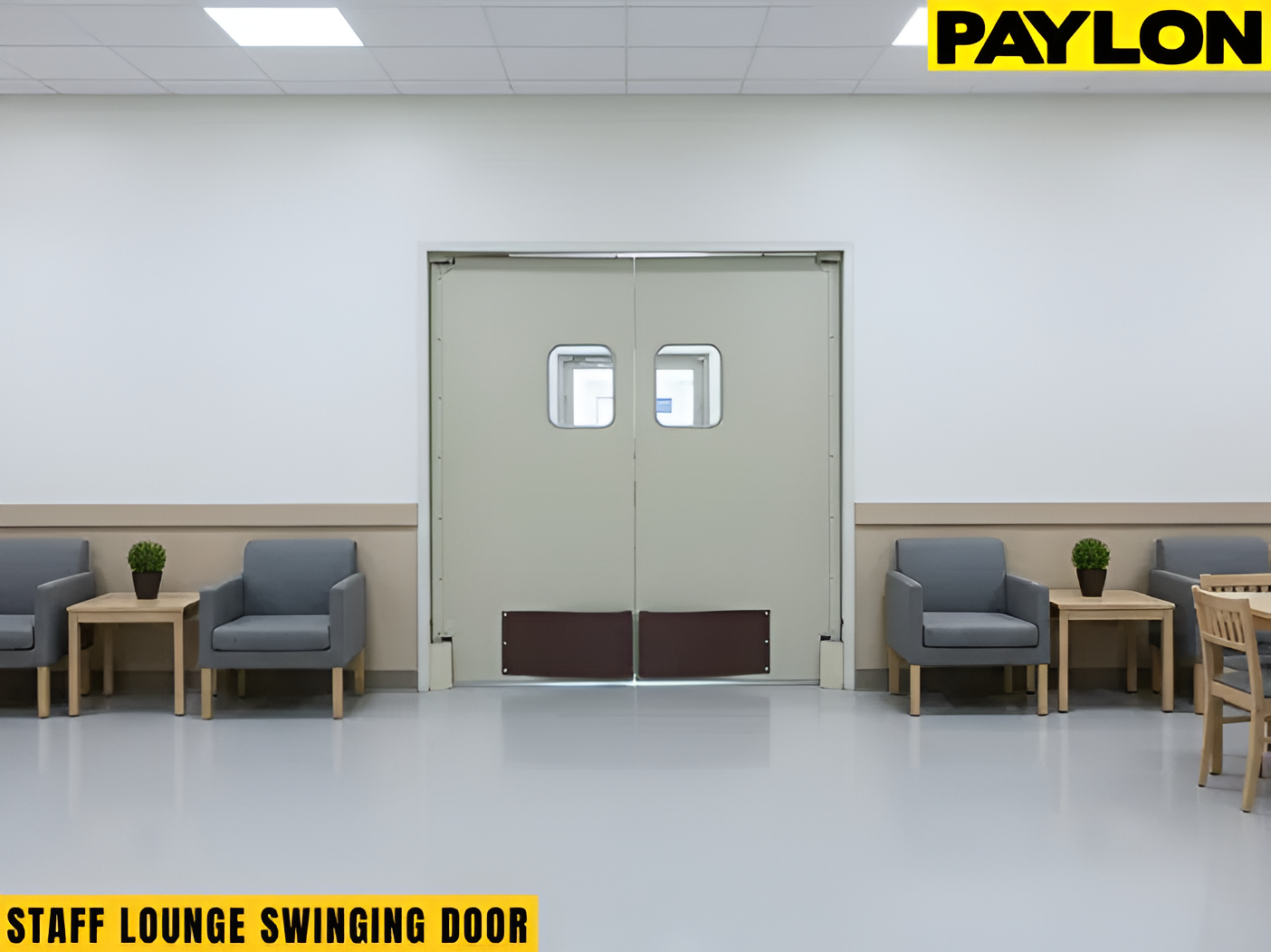
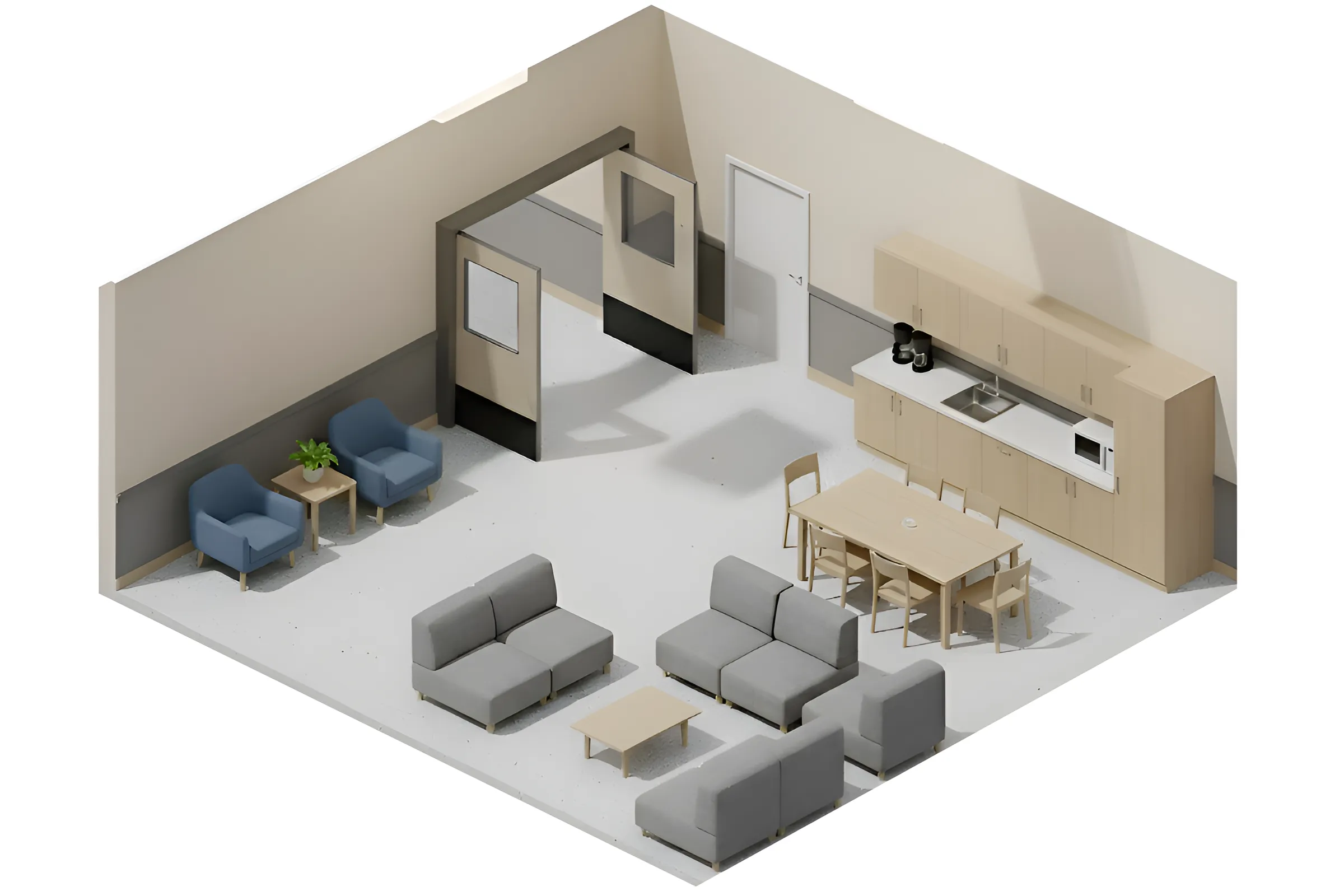
Staff lounges are shared spaces with steady movement throughout the day. Employees enter and exit during breaks, shift changes, and short pauses between tasks. This page looks at how these patterns shape daily lounge use, why movement matters in shared break areas, and how access plays a role in how staff lounges function over time.
Designed for High-Traffic Staff Lounges
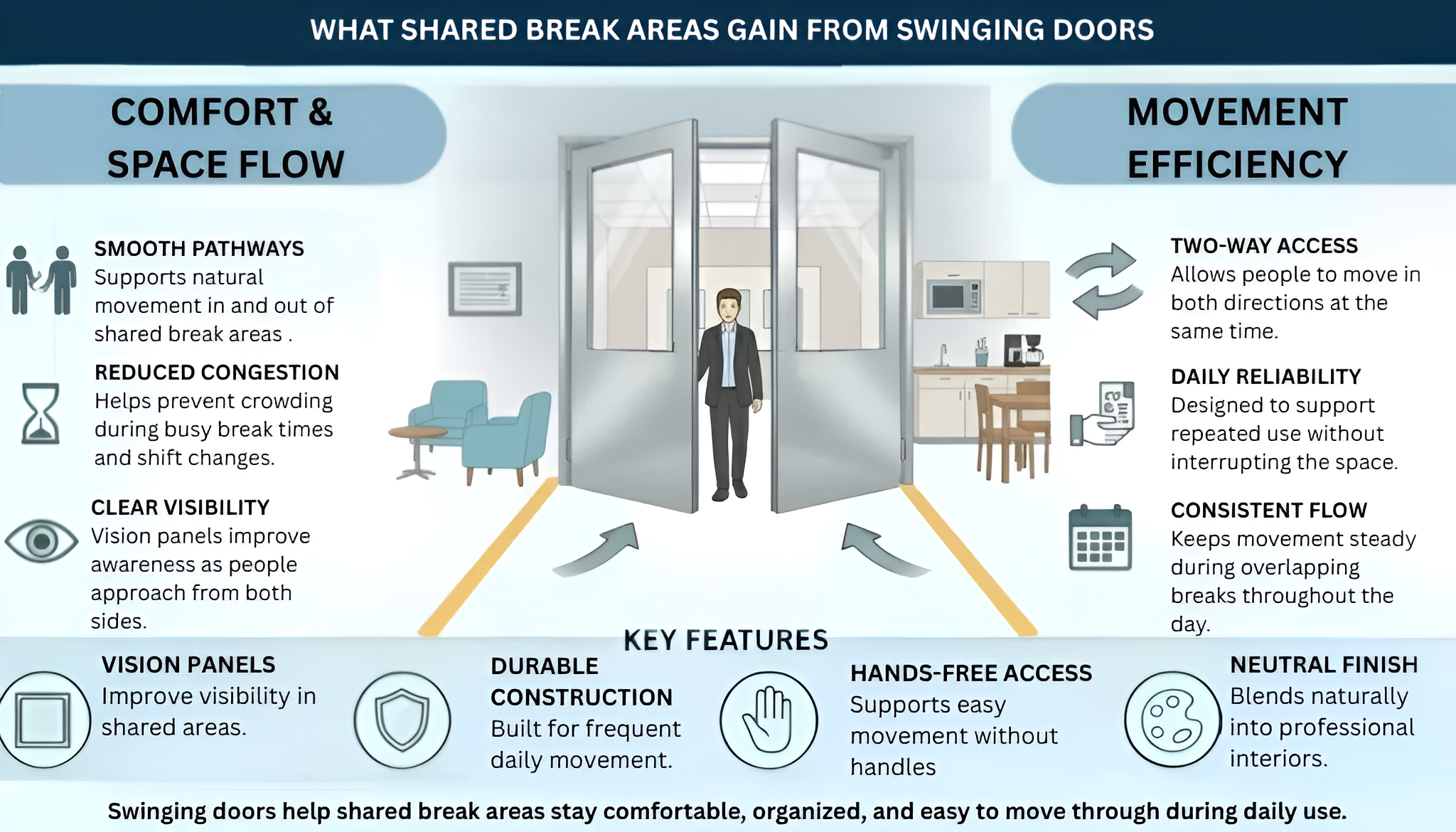
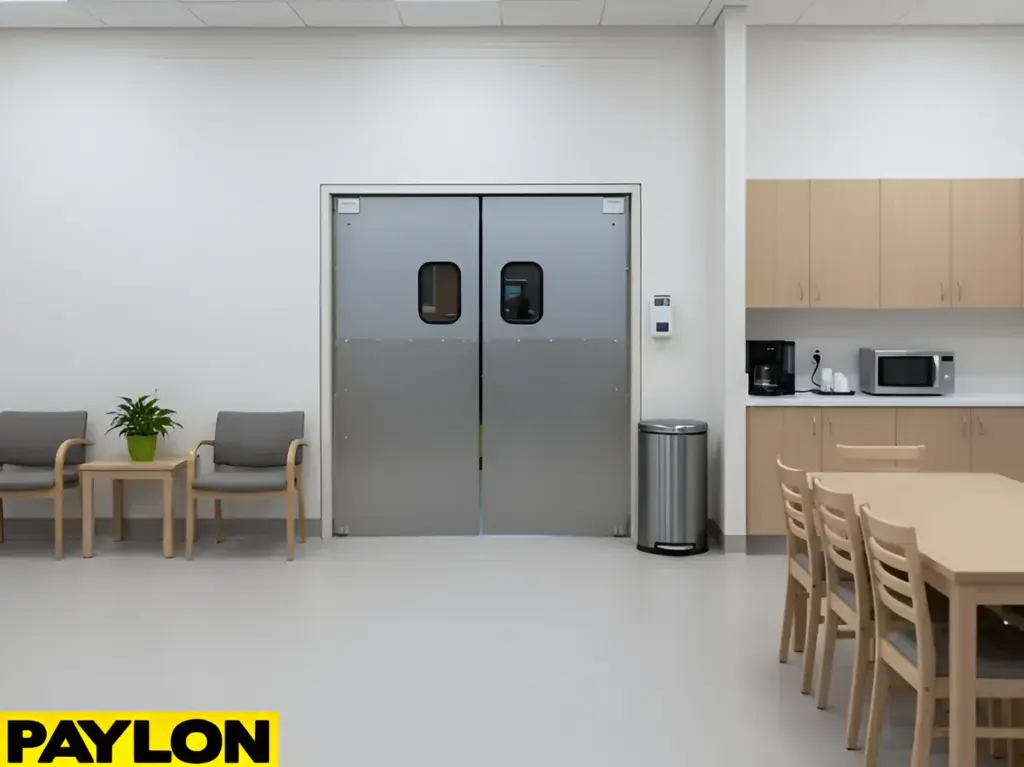
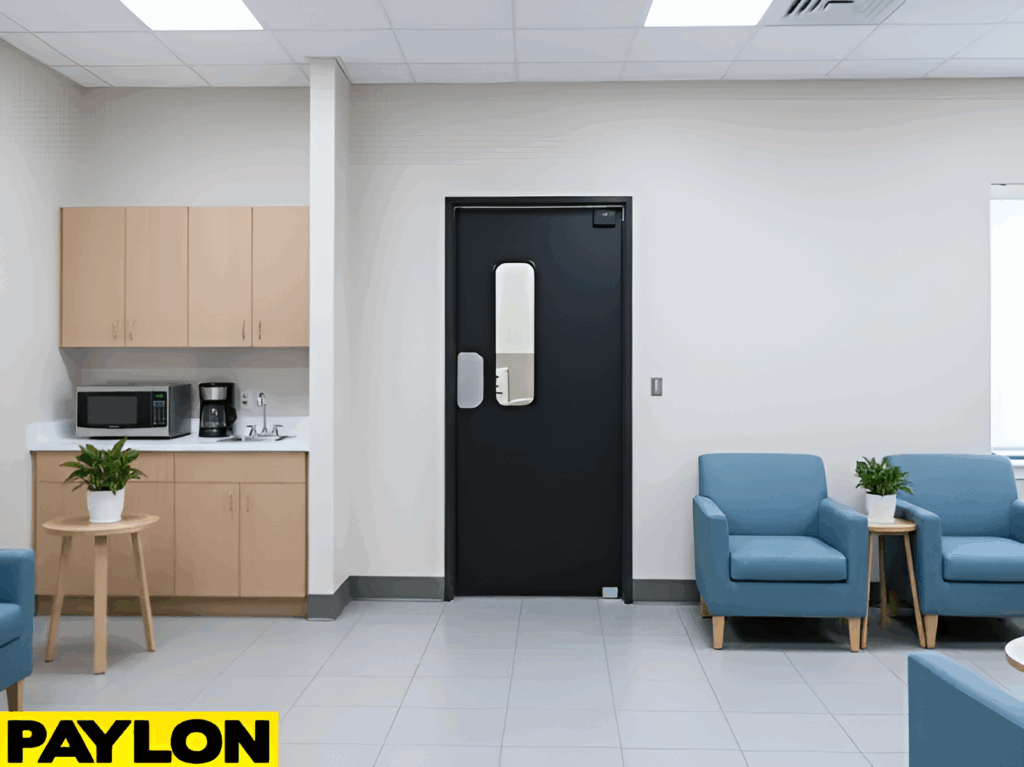
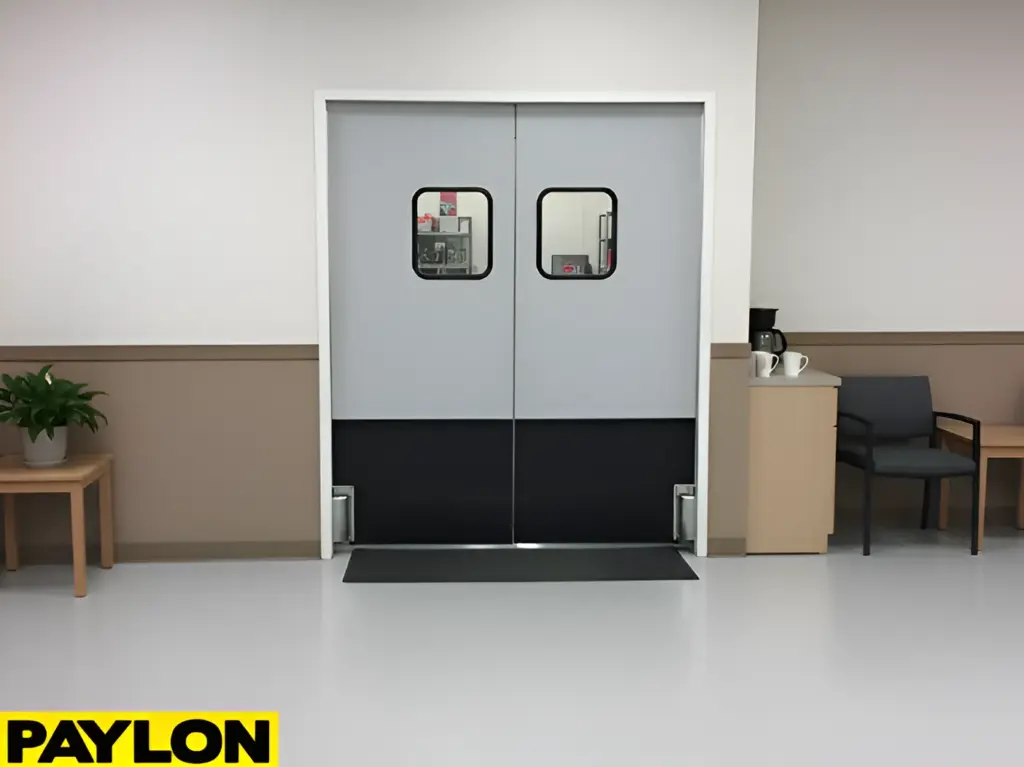
Staff lounges experience frequent movement throughout the day, especially during breaks and shift changes. Swinging doors help these shared spaces stay comfortable and efficient by allowing smooth, hands-free movement in both directions. With fewer slowdowns at entrances and less disruption inside the lounge, staff can move freely without interrupting others. The result is a calmer break area that supports daily routines while keeping traffic flowing naturally.
What Staff Lounges Gain Right Away From Swinging Doors
Building on how movement shapes daily lounge use, this section highlights what staff notice immediately once swinging doors are in place. These gains show up in how easily people move through the space and how the lounge performs during its busiest periods.
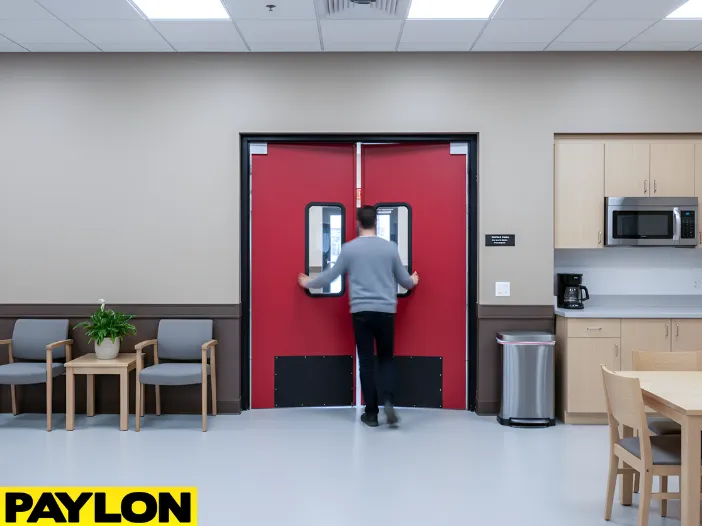
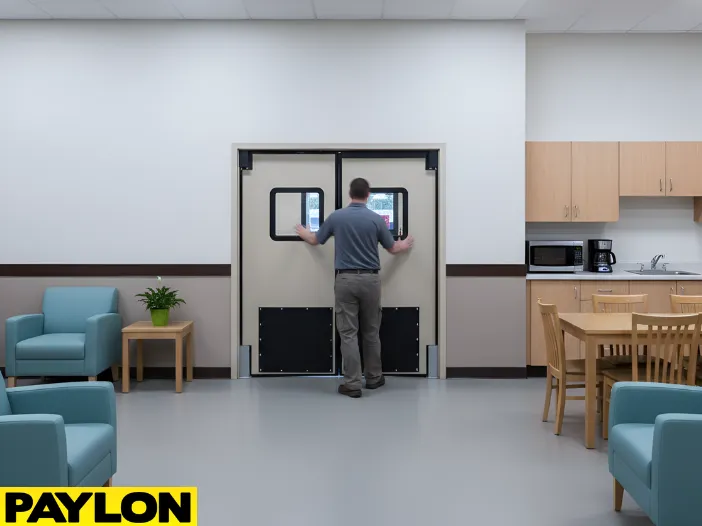
Easier Movement In and Out of the Lounge
Smooth Entry and Exit
Staff can enter and exit the lounge without stopping or waiting for others to pass. Movement through the doorway feels natural, even during short breaks when time is limited and foot traffic increases.
Steady Movement Throughout the Day
Employees carrying drinks or meals move through the space with ease. Foot traffic stays steady instead of backing up at the entrance, helping the lounge remain usable throughout the day.
Fewer Slowdowns During Busy Break Periods
Reduced Entrance Backups During Peak Times
Busy moments like shift changes no longer create backups at the lounge entrance. Multiple employees can move in and out at the same time without needing to stop or adjust their pace.
Fewer Interruptions Inside the Lounge
With smoother movement at the doorway, pauses and distractions inside the lounge are reduced. Breaks continue without disruption as staff arrive or leave at different times during overlapping schedules.
Swinging Door Options That Support Comfort and Flow in Staff Lounges
Once staff lounges benefit from smoother daily movement, the next step is choosing a swinging door that fits how the space is used. Traffic levels, nearby activity, and how the lounge connects to surrounding areas all influence which option works best.
The PE-620ALC suits staff lounges that experience more frequent contact at the entrance. It fits environments where durability and easy upkeep help maintain reliable daily use over time.
• Handles more frequent contact in lounges with heavier daily use
• Fits areas where durability and easy upkeep are priorities
• Supports long-term lounge access without added maintenance concerns

PE-710 for Everyday Staff Lounge Movement
The PE-710 is a strong fit for staff lounges that see regular, predictable use throughout the day. It works well in spaces where employees move in and out steadily without extreme traffic demands.
• Supports consistent, everyday movement in staff lounges
• Fits spaces with predictable foot traffic throughout the day
• Keeps lounge access simple and unobtrusive during regular use
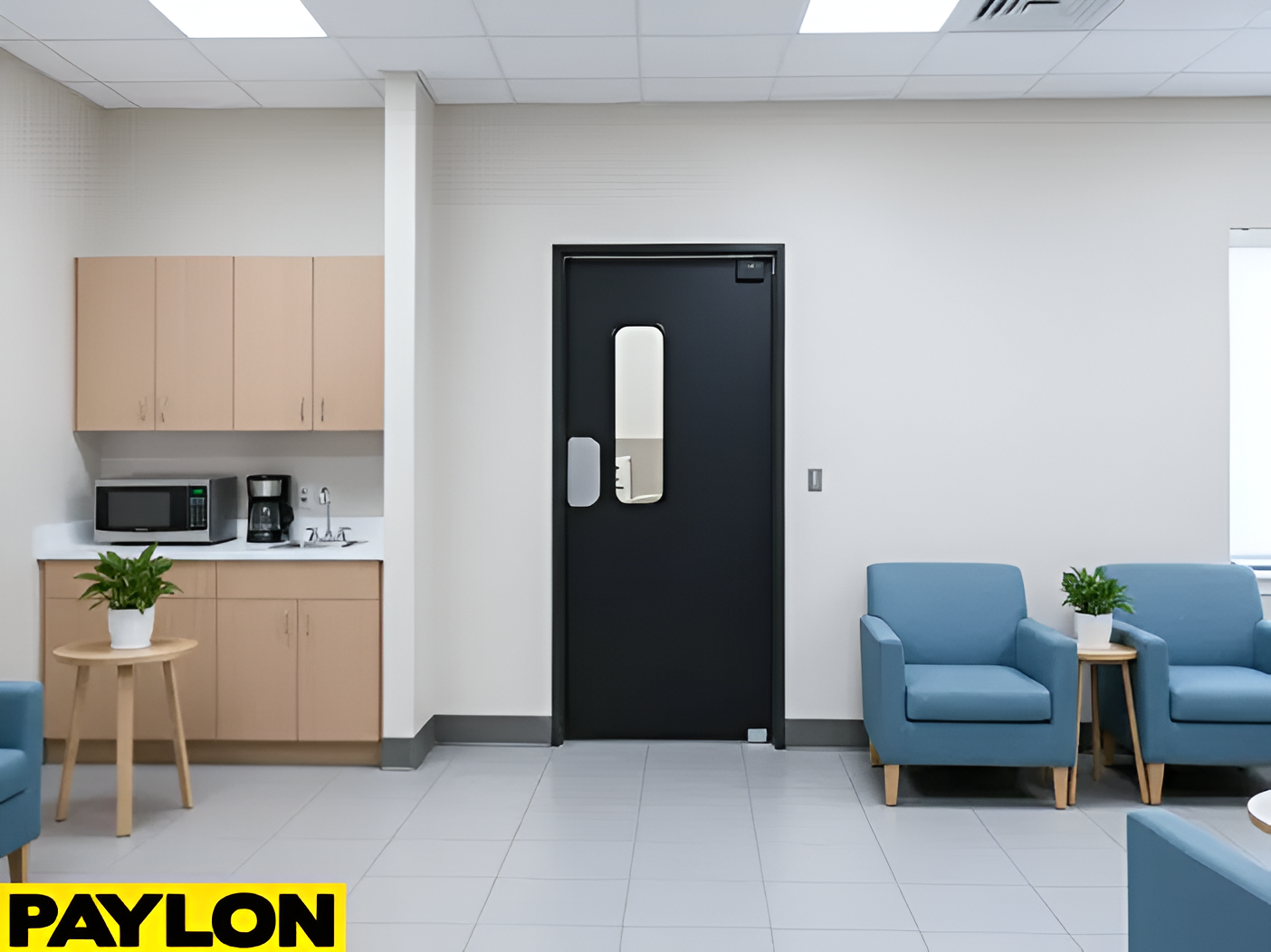
The PE-720 works well in staff lounges located near hallways or shared work areas. Clear visibility through the entrance helps staff move with confidence during busy periods.
• Supports clearer visibility when entering or exiting the lounge
• Fits lounges near hallways or shared work areas
• Helps reduce hesitation when multiple people approach the entrance

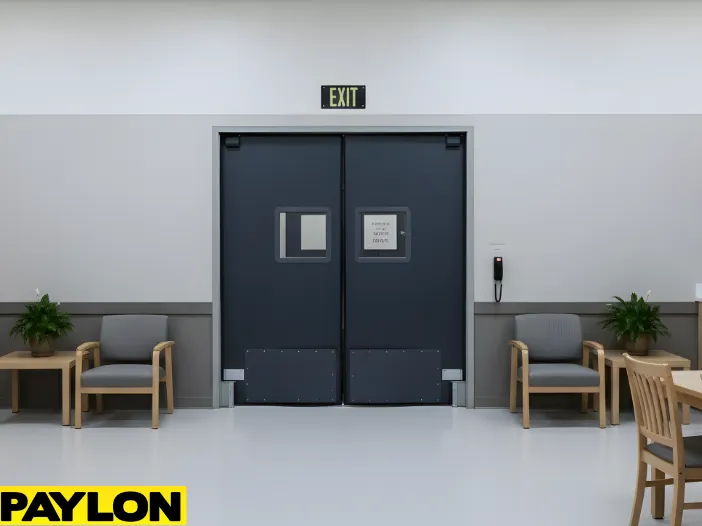
The PE-8000 is designed for staff lounges connected to more demanding environments. It fits spaces near work zones or service areas where constant movement places higher demands on the doorway.
• Fits staff lounges connected to high-traffic or mixed-use areas
• Handles constant movement without affecting nearby spaces
• Supports comfortable lounge access in more demanding environments
Matching Staff Lounge Needs to Swinging Door Types
With several swinging door options available, it helps to quickly align common staff lounge conditions with the door type that best fits the space. This table is designed to support fast decisions without requiring a detailed comparison.
| Staff Lounge Condition | Primary Need | Swinging Door Type |
|---|---|---|
| Steady daily foot traffic | Reliable movement support | PE-710 |
| Frequent contact and heavier daily use | Added durability and easy upkeep | PE-620ALC |
| Lounge near hallways or shared work areas | Clear visibility at the entrance | PE-720 |
| Lounge connected to high-traffic or mixed-use zones | Built to handle demanding movement | PE-8000 |
This quick comparison shows how swinging doors remove friction from common maintenance shop scenarios, helping work areas stay connected and movement stay consistent throughout the day.
How Swinging Doors Improve Daily Comfort and Traffic Flow
In daily staff lounge use, movement often happens in small, practical moments rather than planned routines. Employees step in carrying drinks, meals, or personal items, sometimes at the same time others are heading out. Swinging doors support these everyday interactions by allowing movement to continue naturally, without requiring extra effort or interruptions.
| Swinging Door Option | Why It Fits Staff Lounges |
|---|---|
| PE-710 | A strong match for staff lounges with steady, everyday foot traffic. Supports consistent daily use without feeling out of place in a shared break space. |
| PE-620ALC | A good fit for lounges that see more frequent contact and heavier daily use. Works well when durability and easy upkeep are priorities. |
| PE-720 | Best for staff lounges where visibility matters near hallways or shared work areas. Helps staff move with confidence when the entrance is busy. |
| PE-8000 | Ideal for staff lounges connected to high-traffic or mixed-use zones. A solid option when the doorway faces more demanding daily activity. |
Over the course of the workday, this consistent flow helps the lounge remain comfortable and usable. Repeated foot traffic blends into the background rather than interrupting conversations or rest time. The space stays focused on its purpose as a place to pause, reset, and recharge, even as movement continues throughout the day.
Frequently Asked Questions
FAQs About Swinging Doors in Staff Lounges
Are swinging doors noisy when used in staff lounges?
Commercial swinging doors used in staff lounges are designed to operate smoothly and quietly. When properly installed, they do not create disruptive noise during normal daily use.
Do swinging doors work well in small staff break rooms?
Yes. Staff lounge swinging doors are often a practical option for small break rooms because they do not require extra clearance to open in a single direction.
Are vision panels necessary in staff lounge swinging doors?
Vision panels are not required in every staff lounge. They are commonly chosen when the lounge connects to hallways or shared areas where visibility helps staff move with awareness.
How durable are swinging doors for daily staff lounge use?
Commercial swinging doors are built for repeated daily movement. They are commonly used in shared staff spaces where doors are opened and closed many times throughout the day.
Are swinging doors easy to clean and maintain in staff areas?
Most swinging doors used in staff lounges have smooth surfaces that make routine cleaning simple. Regular wipe-downs are usually enough for everyday maintenance.
Do swinging doors affect privacy inside a staff lounge?
Swinging doors for staff lounges can be selected to balance access and privacy. The level of privacy depends on the door style and whether visibility panels are included.
Do staff lounge swinging doors close automatically after use?
Yes. Commercial swinging doors typically return to a closed position after each use, helping define the lounge area without requiring staff to adjust their movement.
Can swinging doors be used between staff lounges and nearby work areas?
Yes. Swinging doors are commonly used between staff lounges and work zones to support easy movement while keeping spaces clearly separated.
Are swinging doors safe for employees carrying food or drinks?
Swinging doors are often chosen for staff lounges because they support hands-free movement, which is helpful when employees are carrying meals or beverages.
Do swinging doors require special systems to operate?
Commercial swinging doors generally use straightforward hardware designed for repeated use. They do not rely on complex operating systems for daily function.
Can swinging doors handle frequent opening and closing throughout the day?
Yes. Staff lounge swinging doors are designed for environments where consistent, repeated use is expected during normal work hours.
Are swinging doors suitable for shared staff spaces with many users?
Swinging doors work well in shared staff areas because they allow multiple people to move through the entrance without coordinating direction or timing.
Do swinging doors help reduce stress on door frames?
Commercial swinging doors are designed to manage movement in a controlled way, which can help reduce wear on the surrounding doorway over time.
Can swinging doors be selected for different staff lounge layouts?
Yes. Swinging doors for staff lounges can be matched to a wide range of openings and layouts, making them adaptable to different building designs.
Are swinging doors difficult to install in existing staff lounges?
Swinging doors are often installed in existing openings. Installation requirements depend on the structure of the doorway and surrounding space.
Do staff lounge swinging doors require frequent repairs?
With regular use and basic care, commercial swinging doors typically require minimal repairs in staff lounge environments.
Will swinging doors slow movement during busy staff break times?
Swinging doors are commonly used in high-use staff areas because they allow continuous movement without requiring people to wait for the door to open fully.
Are swinging doors appropriate for quieter workplace environments?
Yes. When selected for the space, staff lounge swinging doors can operate smoothly without disrupting nearby quiet areas.
Can swinging doors be used near restrooms or corridors connected to lounges?
Swinging doors are often placed near corridors or restrooms connected to staff lounges to help manage traffic between shared spaces.
How long do swinging doors typically last in staff lounges?
The lifespan of a staff lounge swinging door depends on usage and care, but they are built to support long-term daily use in shared work environments.
Photo Gallery
When Swinging Doors Make Sense for Staff Lounges
Staff lounges work best when movement feels natural and the space stays comfortable throughout the day. When entrances support steady flow without drawing attention or causing interruption, the lounge can better serve its purpose as a place to pause and reset. For workplaces where people come and go frequently, swinging doors are a practical upgrade that aligns with real daily use. Taking a closer look at how staff move through the space can help determine when this type of solution makes sense.
Shared Break Area