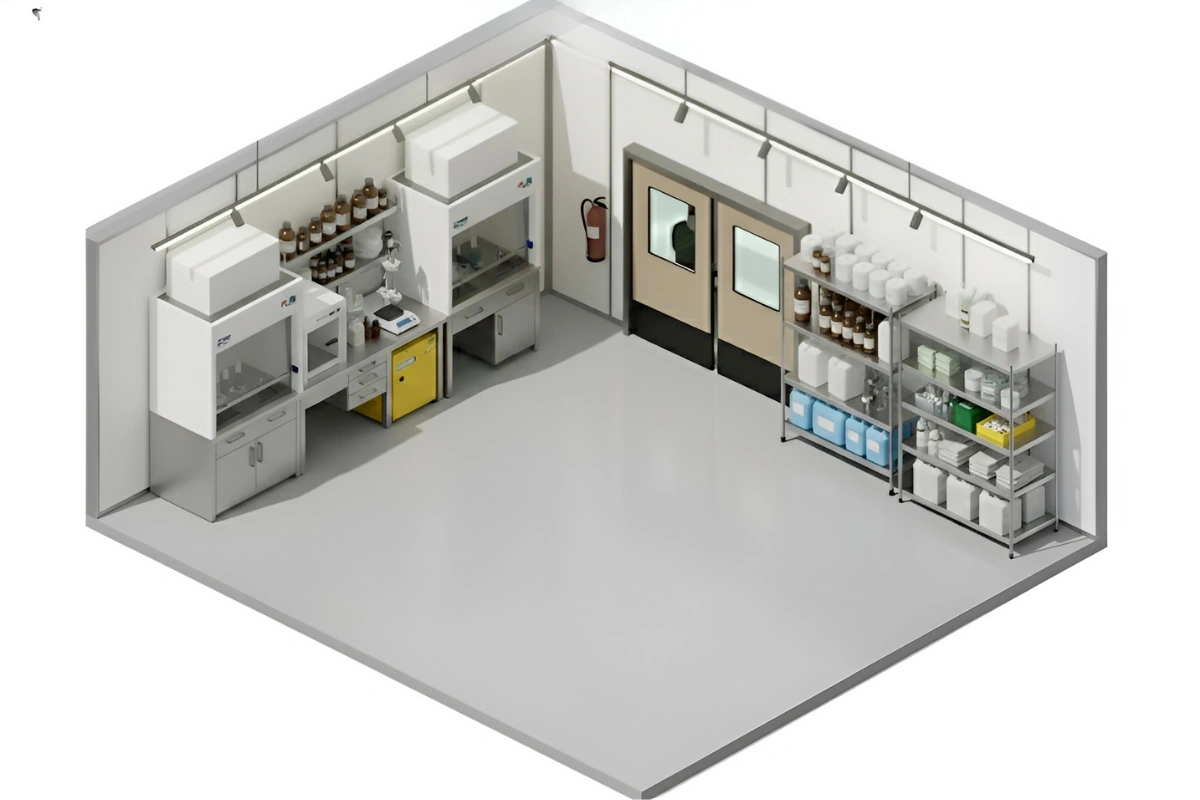
Design Lab Swinging Doors
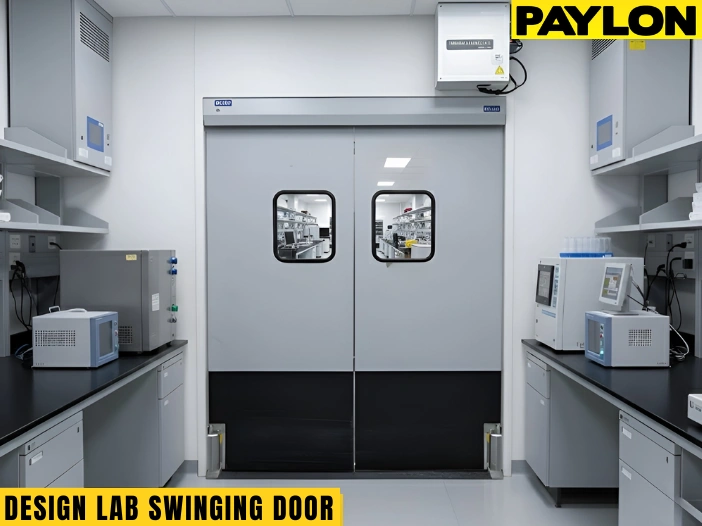
Design and chemical labs rely on smooth and organized movement to stay efficient and safe. This article explains the challenges caused by cross-traffic, how swinging doors help reduce disruption, and which PE-Series models fit different lab needs. You will also see a clear comparison, useful FAQs, and the reasons these doors improve modern lab workflows.
Designed for High-Safety Workspaces
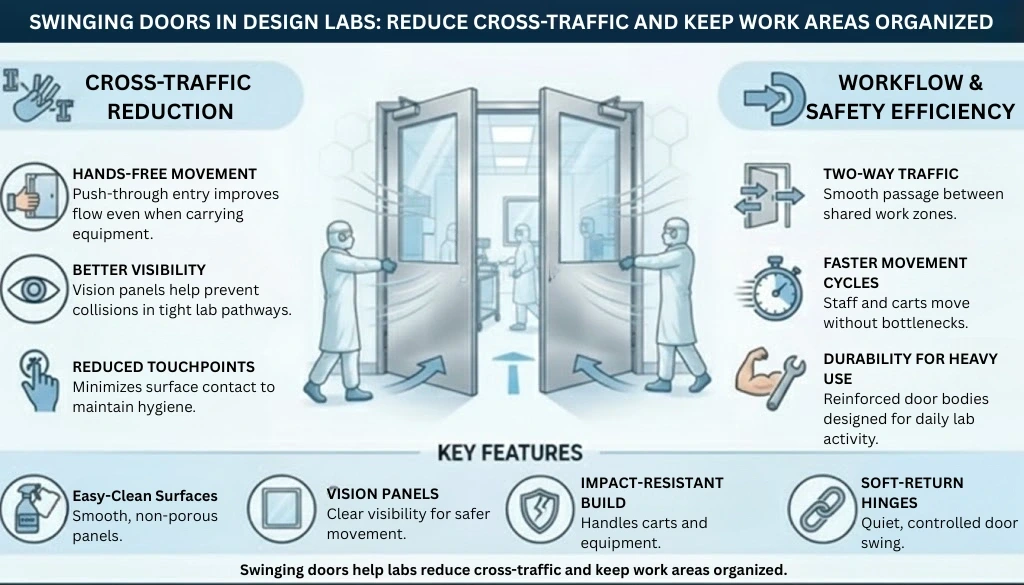
Swinging doors offer labs a smarter way to maintain safety, cleanliness, and smooth daily operations. Their minimal touchpoints reduce contamination risks, while easy-clean surfaces support strict hygiene standards in both design and chemical environments. With durable construction and optional visibility features, these doors help staff move confidently and efficiently throughout the workspace. PE-Series swinging doors are built to handle demanding lab conditions while keeping movement structured, safe, and organized.
The Real Problem: Cross-Traffic and Disorganized Movement in Labs
Even with careful planning, many labs struggle with constant movement happening in tight and busy areas. Staff often work around each other while carrying tools or materials, and the layout can quickly feel crowded during active tasks. These daily challenges make it difficult to maintain a steady and predictable workflow.

Overlapping Traffic Slows Down Everyday Lab Tasks
Shared Pathways Create Constant Traffic Congestion
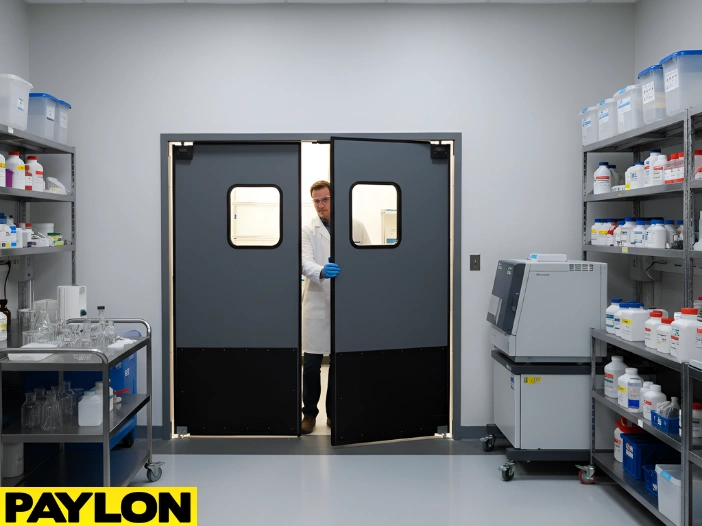
Design and chemical labs often rely on narrow walkways that staff must use at the same time as carts, samples, and equipment. When several tasks happen at once, these paths quickly become crowded and slow everyone down. The extra waiting disrupts the pace of work and creates ongoing traffic pressure in busy areas.
Crowded Movement Patterns Interrupt Daily Task Flow
As people and equipment move through the same tight spaces, routine tasks become harder to complete in one smooth motion. Staff are frequently forced to pause or shift aside, which breaks their momentum and adds unnecessary delays. Over time, these repeated interruptions cause simple tasks to stretch longer than expected and reduce overall workflow efficiency.
Hinged Doors Add Extra Steps and Create Higher Safety Risks
Manual Door Handling Slows Down Movement in Busy Lab Areas
Chemical labs often contain sensitive materials and zones that require careful handling. Hinged doors make movement more difficult because they must be opened manually, even when hands are full. This adds extra steps to simple tasks and slows down staff who need to move quickly while carrying tools, samples, or equipment through the workspace.
Increased Collision and Spill Risks Disrupt Workflow Consistency
Needing to push or pull a hinged door in tight spaces raises the chance of bumps, spills, or unexpected contact in areas where precision matters. These slowdowns build up throughout the day and create friction in the workflow, especially during busy periods. Over time, they affect the overall pace and consistency of lab operations.
Recommended Swinging Door Solutions for Design and Chemical Labs
Choosing the right PE-Series model helps labs create smoother pathways, better visibility, and more controlled work areas. Each door supports a different type of lab activity, making it easier for teams to maintain efficiency throughout the day.
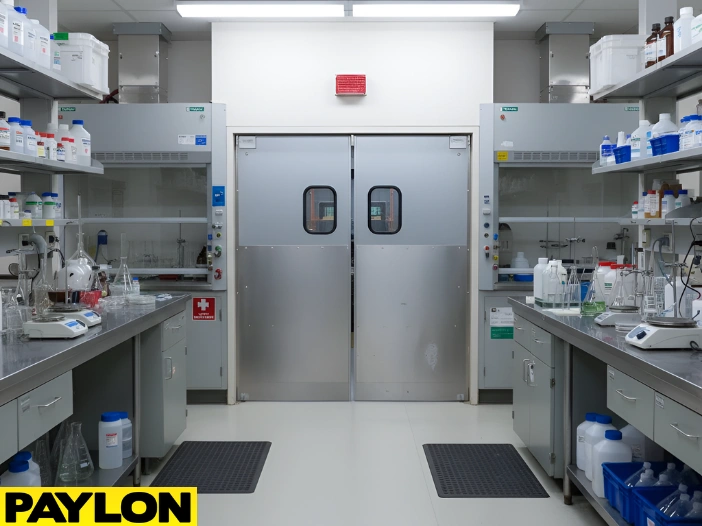
The PE-620ALC is built for hallways where people and equipment move constantly throughout the day. Its strong materials support frequent use and help shared spaces stay open for steady movement.
• Handles heavy daily movement
• Designed for busy shared pathways
• Supports fast access between work areas
PE-710: Smooth Operation for General Lab Areas
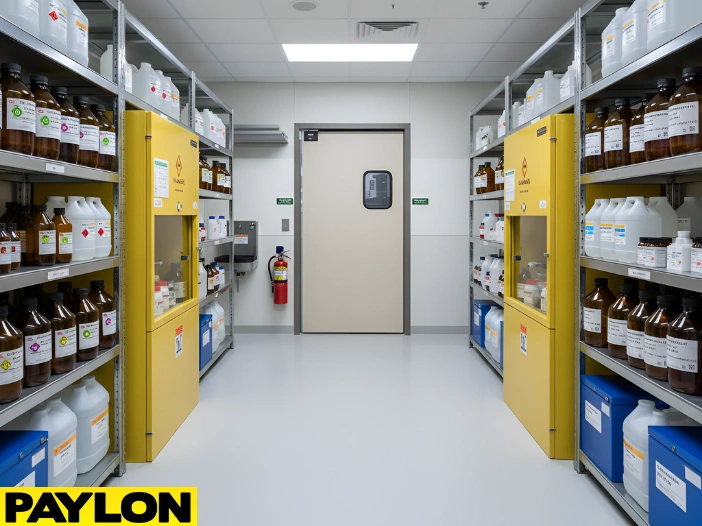
The PE-710 offers lightweight movement that works well in rooms with frequent entry and exit. Its smooth swing helps staff maintain a consistent pace without slowing down.
• Light and easy to use
• Optional window for added visibility
• Ideal for routine daily movement
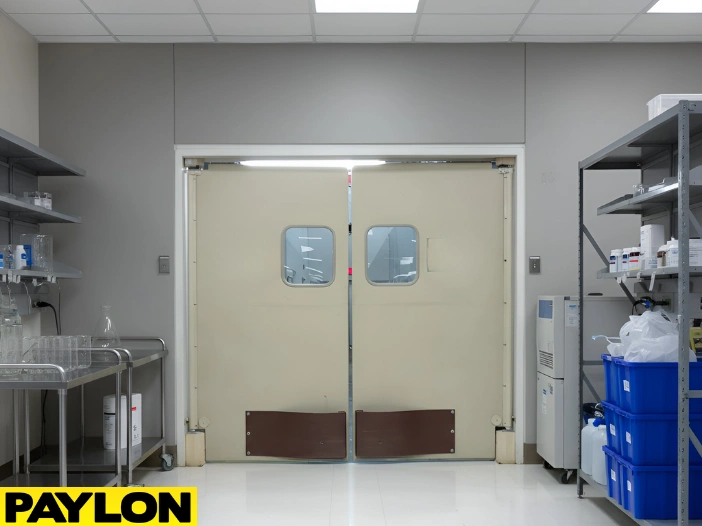
The PE-720 features an ABS core that supports fast and consistent cleaning. Its smooth finish helps teams maintain hygiene without interrupting their workflow.
• Easy-clean finish for hygiene
• Supports chemical-handling tasks
• Works well in sensitive work areas
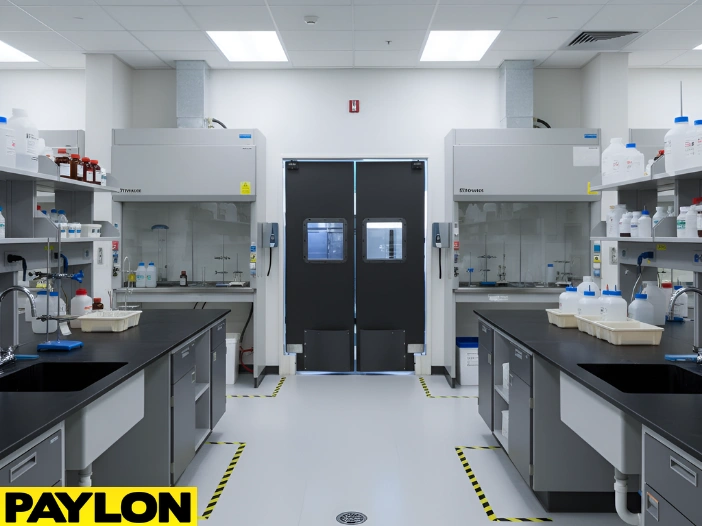
The PE-8000 is built for demanding lab areas that require strength and stability. Its reinforced design helps maintain consistent conditions in spaces with sensitive materials.
• Reinforced for heavy use
• Supports controlled environments
• Withstands spills or impact-prone zones
Choosing the Right PE-Series Swinging Door
Each PE-Series model supports different workflow needs in design and chemical labs. The table below offers a quick side-by-side look at how each option performs so labs can choose the door that fits their space, traffic levels, and sanitation requirements.
| Model | Best For | Key Strengths | Ideal Lab Areas |
|---|---|---|---|
| PE-620ALC | Heavy foot and cart traffic | Durable build with stainless and aluminum protection | Main lab corridors and equipment paths |
| PE-710 | Daily moderate to heavy use | Lightweight and smooth operation | Design rooms and storage areas |
| PE-720 | Hygiene or chemical-focused zones | ABS core with easy-clean surfaces | Chemical prep rooms and sensitive work areas |
| PE-8000 | High-impact or controlled environments | Insulated core and heavy-duty hinges | Chemical storage and temperature-controlled rooms |
Understanding these differences helps labs match the right door to the right workflow, creating a smoother and more dependable movement throughout the space.
How Swinging Doors Improve Flow, Safety, and Organization in Labs
Once labs choose the right PE-Series model, the benefits become even more clear. Swinging doors help maintain smoother movement, support cleaner workflows, and give staff a safer and more organized environment to work in. These features make daily lab operations feel more predictable and controlled.
| Feature | Why It Matters in Design and Chemical Labs |
|---|---|
| ✅ Two-Way Swing for Smooth Movement | Allows staff to move through the doorway in either direction while carrying chemicals, tools, or samples, helping high-traffic areas stay clear and tasks keep moving. |
| ✅ Hands-Free Access for Cleaner Workflows | Opens with a gentle push so staff touch door surfaces less often, supporting cleaner workflows in zones that require stricter hygiene control. |
| ✅ Easy-Clean Surfaces for Lab Standards | Smooth, easy-clean materials wipe down quickly during routine sanitation, helping teams maintain lab standards without slowing daily work. |
| ✅ Vision Panels for Safer Pathways | Clear vision panels give staff a view into the next space, lowering the chance of bumps or collisions in busy hallways, storage areas, and prep rooms. |
| ✅ Durable Construction for Heavy Use | Stands up to frequent contact from carts, containers, and equipment so doors stay functional and reliable even in demanding lab environments. |
Together, these features help design and chemical labs stay organized, reduce unnecessary slowdowns, and maintain safer pathways throughout the day. They support smoother operations and help teams work with more confidence in fast-moving environments.
Frequently Asked Questions
FAQs: Common Questions Labs Ask About Swinging Doors
Are swinging doors safe for chemical labs with strict hygiene needs?
Yes, PE-Series swinging doors are safe for chemical labs because they reduce hand contact and open with a light push. Their smooth, sealed surfaces support strict cleaning routines, making them suitable for areas that handle chemicals or sensitive materials.
Can swinging doors help reduce contamination risk in labs?
Yes, swinging doors help lower contamination risk by offering hands-free entry. This keeps touchpoints minimal and allows teams to move between rooms without interrupting sanitation standards, especially in labs with frequent cleaning cycles.
Which swinging door model is best for chemical prep or spill-prone rooms?
The PE-8000 is a strong choice for chemical prep rooms because its insulated and reinforced build handles demanding environments. It adds stability in spaces where spills or frequent movement require dependable, durable entry points.
Do swinging doors support safe movement when carrying tools, samples, or chemicals?
Yes, swinging doors help staff move safely with full hands because they can be pushed open in either direction. This keeps workflows steady and reduces the chance of dropping tools or samples while navigating the lab.
Can swinging doors be customized for controlled environments or specific layouts?
Many PE-Series doors offer customization options including size, vision panels, and material preferences. These adjustments help labs meet controlled-environment standards and fit doorways with unique spacing needs.
Are vision panels recommended for labs with frequent cross-traffic?
Yes, vision panels improve visibility and help staff avoid bumping into others during busy periods. They work well in hallways, shared spaces, and any area where people and equipment move at the same time.
How durable are swinging doors when exposed to carts or heavy equipment?
PE-Series doors are engineered to handle frequent contact from carts and equipment. Their reinforced materials help them stay reliable even in high-use areas where impact is part of daily movement.
Are swinging doors easy to clean during sanitation routines?
Yes, these doors feature smooth surfaces that wipe down quickly. This helps labs maintain their sanitation schedules without slowing down workflow or adding extra steps to daily cleaning.
What materials work best for swinging doors in chemical-handling zones?
Models like the PE-720 and PE-8000 use ABS or insulated cores that work well in chemical-handling areas. These materials support durability, routine cleaning, and long-term performance in sensitive environments.
Do swinging doors help improve movement in narrow or crowded hallways?
Yes, two-way swing helps people move through tight hallways without needing to pull a door open. This makes narrow spaces easier to navigate and reduces bottlenecks during busy hours.
Can swinging doors improve workflow efficiency in active lab spaces?
Yes, their smooth motion helps staff maintain a steady pace throughout the day. By reducing slowdowns at doorways, swinging doors help keep lab processes running more predictably.
Are any PE-Series doors suitable for temperature-controlled rooms?
The PE-8000 works well for temperature-controlled or insulated spaces due to its stable core. It helps maintain consistent conditions in areas that store chemicals or sensitive materials.
How do I choose the right swinging door model for my lab?
It depends on your traffic level, type of work, and sanitation needs. High-traffic spaces benefit from the PE-620ALC, general-use areas work well with the PE-710, hygiene-focused rooms suit the PE-720, and controlled environments match the PE-8000.
Can swinging doors help prevent collisions in busy lab areas?
Yes, optional vision panels give staff visibility before entering a room. This reduces the chance of accidents in fast-moving environments where people and equipment cross paths.
Are swinging doors suitable for labs with hazardous chemicals?
Yes, PE-Series doors are built to perform in environments that handle hazardous materials. Their durability and low-touch operation support safer movement throughout spill-prone or sensitive areas.
Do swinging doors reduce the need for manual door handling?
Yes, their push-to-open design reduces how often staff need to grab a handle or pull a door open. This keeps movement simple and helps maintain cleaner surfaces.
How long do PE-Series swinging doors last in busy labs?
PE-Series doors are built for long-term performance in demanding spaces. Their sturdy materials help them stay reliable even with daily movement, frequent cleaning, and regular equipment contact.
Can swinging doors be installed without interrupting lab work?
Yes, installation can be planned around operating hours to reduce disruption. Many labs upgrade their doors with minimal impact on their daily workflow.
What maintenance is required to keep swinging doors performing well?
Most swinging doors require simple routine checks and occasional cleaning. Their hinges and cores are designed to stay functional with minimal upkeep, even in active labs.
Are swinging doors a cost-effective upgrade for labs looking to improve safety and flow?
Yes, swinging doors offer long-term value by reducing workflow disruptions and improving movement throughout the lab. Their durability and low-maintenance design help labs stay efficient without major ongoing costs.
Photo Gallery
Why Swinging Doors Are a Smart Choice for Modern Lab Workflows
Choosing the right door system can have a meaningful impact on how smoothly a lab operates each day. Swinging doors help design and chemical labs maintain steady, uninterrupted movement while supporting a workspace that feels more organized and easier to navigate. The PE-Series lineup provides reliable options that fit different layouts and activity levels, giving labs a practical way to improve daily efficiency without major changes to their environment. If you're considering an upgrade, exploring the available models or requesting a tailored recommendation is a helpful next step in creating a more streamlined and dependable workflow.
Organized Chemical Lab